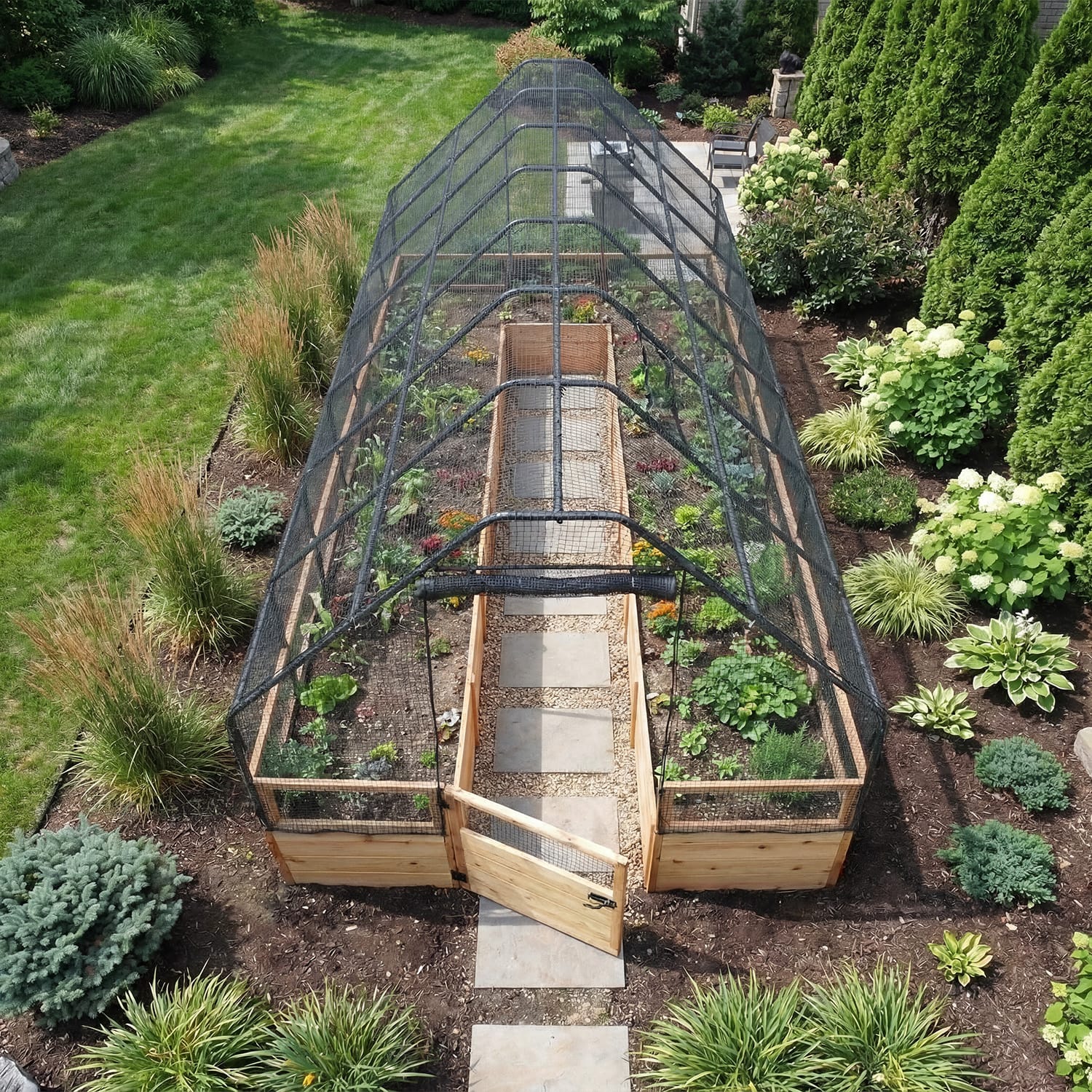
Create healthier soil, higher yields, and a more enjoyable gardening experience—no matter your yard conditions.
If you’re planning to add a flower or vegetable garden to your yard, raised garden beds are one of the most effective and versatile options available. A raised garden bed is a contained planting area—typically built from wood, stone, or composite materials—that elevates soil above ground level to create an optimized growing environment.
Raised beds offer a simple, practical way to garden more efficiently. By improving soil structure, drainage, and accessibility, they help plants thrive while making gardening easier and more enjoyable for you.
Benefits of a Raised Garden Bed
When it comes to size, shape, and design, raised garden beds offer incredible flexibility. From compact kits to custom layouts, there’s an option for every space and skill level. More importantly, raised beds provide advantages that traditional in-ground gardens simply can’t match.
Better Soil Control
Raised garden beds give you full control over soil quality. You can tailor the soil mix to suit your plants by adding nutrient-rich compost, organic matter, and amendments as needed. Soil depth, texture, and pH are easier to manage—creating ideal growing conditions from day one.
Increased Yields
By planting in a grid or matrix rather than traditional rows, raised beds allow you to grow more plants per square foot. Improved soil health and spacing often result in higher yields, healthier plants, and more productive harvests.
Lower Maintenance
Because raised beds make more efficient use of space, there’s less room for weeds to take hold. Targeted watering and planting also reduce waste, saving time, water, and effort. Everything is easier to reach, which means less bending, kneeling, and overall strain.
Improved Drainage
Excess water drains more effectively in raised beds, helping prevent root rot, fungal issues, and soil compaction—especially during heavy spring rains. This improved drainage creates a healthier environment for plant roots year-round.
Water-Saving Irrigation Options
Raised beds are ideal for efficient watering systems like drip irrigation or soaker hoses. These systems deliver water directly to plant roots, reducing evaporation and runoff while conserving water. It’s a simple upgrade that benefits both your garden and the environment.
Longer Growing Season
Because raised beds warm up faster in spring, you can start planting earlier than with traditional garden rows. They also retain warmth longer in the fall, extending your growing season and increasing overall productivity.
Improved Pest Control
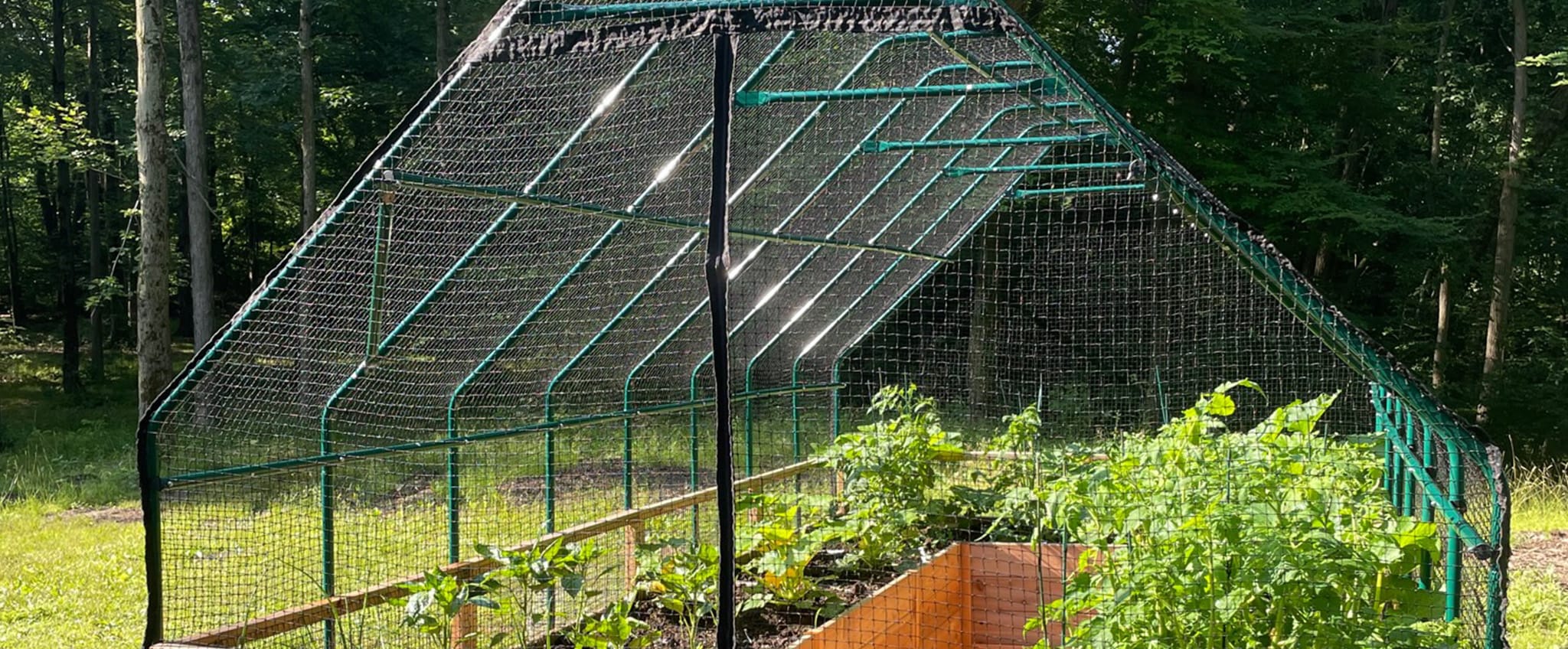
Raised beds make it easier to protect plants from pests. Hardware cloth can be added beneath the bed to deter burrowing animals, while fencing or netting helps keep birds and insects at bay. The elevated design itself also discourages many common garden pests.
Easier to Use
Raised garden beds can be built at a height that suits your comfort level, reducing strain on your back and knees. Optional seating or ledges around the edges make planting, tending, and harvesting more enjoyable—especially for long gardening sessions.
A Garden You’ll Be Proud Of
Raised garden beds offer a healthier, more productive alternative to traditional garden rows—while giving you the freedom to design a garden that fits your space, style, and needs. Whether you’re growing vegetables, flowers, or a mix of both, raised beds make it easier to succeed and enjoy the process.
With the right design and materials, you’ll create a garden that’s not only productive—but one you’ll look forward to tending season after season.