For thousands of years, Western Red Cedar has been more than a building material — it has been a foundation of culture, shelter, craftsmanship, and sustainability along the Pacific Northwest.
Long before modern construction methods, Indigenous peoples recognized cedar for its strength, versatility, and natural resistance to the elements. Today, those same qualities make Western Red Cedar one of the most trusted and enduring materials for outdoor structures across North America.
This guide explores the deep history of Western Red Cedar, why it became known as the “Tree of Life,” and how its legacy continues in modern design and building.
Western Red Cedar: A Material Rooted in Time
Archaeological evidence shows that Indigenous communities along British Columbia’s Pacific Coast have been using Western Red Cedar for over 8,000 years. Every part of the tree was valued — bark, roots, logs, and wood — with nothing wasted.
Because of its natural durability, many cedar artifacts have survived for centuries in coastal climates where other woods would have long since decayed. This longevity is one of the hallmarks that still defines cedar today.
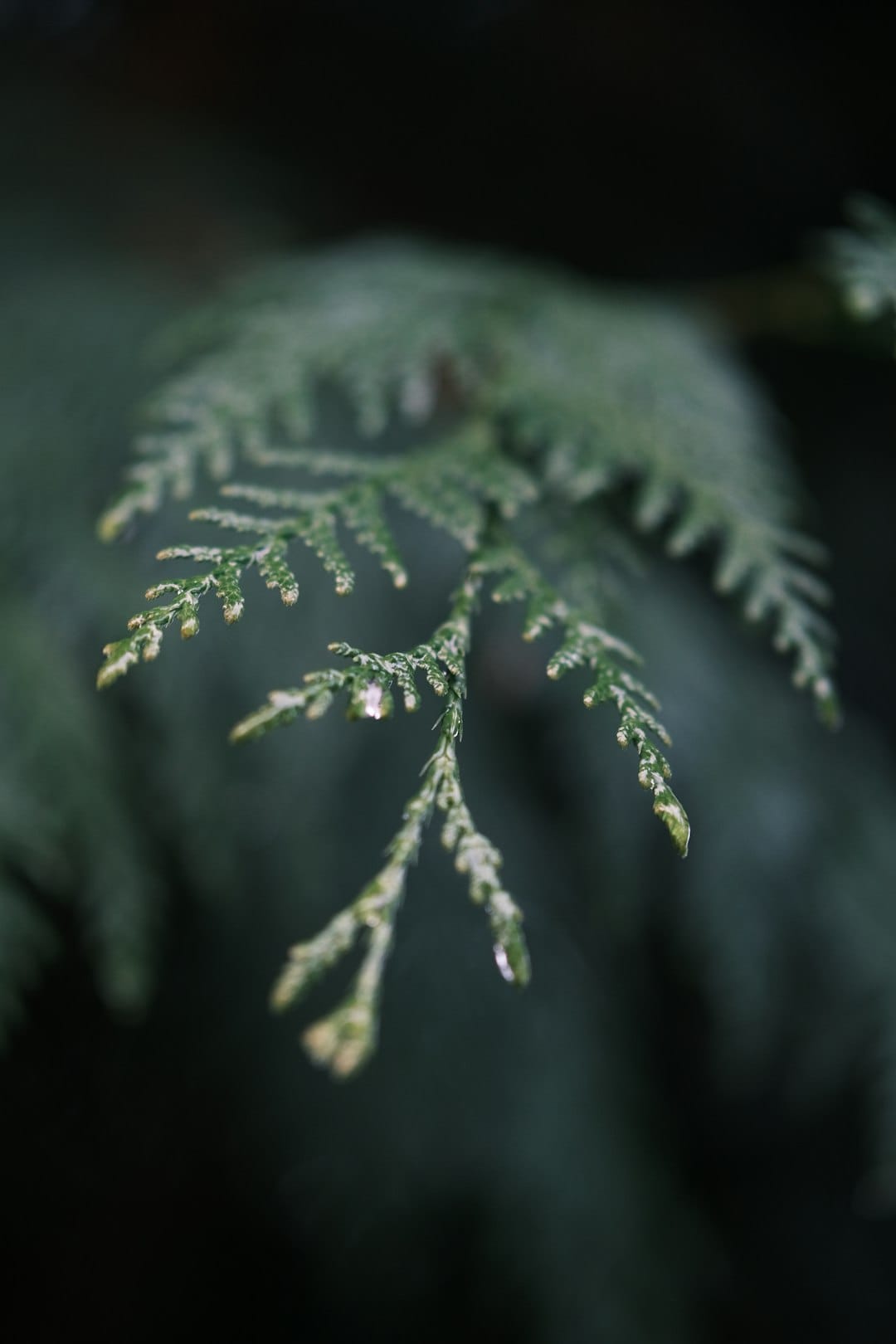
Western Red Cedar is lightweight, straight-grained, and naturally resistant to moisture, insects, and rot — qualities that made it indispensable long before modern preservatives or treatments existed.
Why Cedar Was Known as the “Tree of Life”
Among many First Nations, Western Red Cedar was — and still is — regarded as sacred. It earned the name “Tree of Life” because it provided everything needed to support daily living.
Historically, cedar was used to create:
- Longhouses and structural beams
- Canoes, paddles, and fishing tools
- Totem poles, masks, and ceremonial objects
- Rope, baskets, clothing, mats, and blankets
- Roofing materials harvested without killing the tree
Cedar bark could be carefully removed in spring when sap was running, allowing the tree to heal — an early example of sustainable harvesting practices rooted in respect and reciprocity.
These traditions reflect not just utility, but a deep cultural relationship between people and forest ecosystems.
Preserving Heritage: Culturally Modified Trees
Trees bearing evidence of historic Indigenous harvesting are known as Culturally Modified Trees (CMTs). Many of these trees — especially those altered before 1846 — are now legally protected archaeological sites in British Columbia under the Heritage Conservation Act.
Today, forestry organizations often work alongside First Nations to ensure cedar remains available for cultural, ceremonial, and traditional uses — reinforcing cedar’s ongoing role beyond commercial value.
Preserving Heritage: Culturally Modified Trees
Western Red Cedar thrives in cool, wet environments — conditions that quickly degrade many other wood species.
One key reason for cedar’s longevity is thujaplicin, a naturally occurring compound in mature cedar that acts as a fungicide, helping prevent rot and decay. This allows cedar structures to perform exceptionally well outdoors without chemical treatment.
Because of this, cedar has historically been the material of choice for:
- Coastal construction
- Boats and water-exposed structures
- Long-lasting shelters and homes
Preserving Heritage: Culturally Modified Trees
While its cultural roots run deep, Western Red Cedar remains just as relevant today.
Modern builders, designers, and homeowners value cedar for its:
- Natural resistance to moisture, insects, and decay
- Dimensional stability and low shrinkage
- Warm color tones and distinctive grain
- Sustainability and renewability
Western Red Cedar is now widely used in:
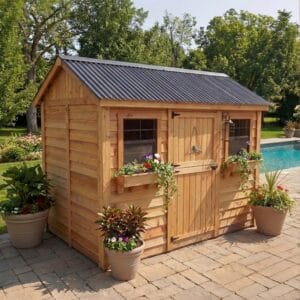
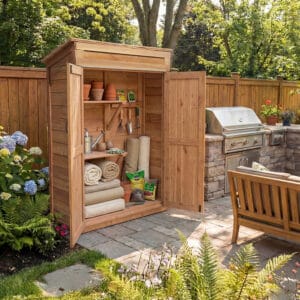
- Garden sheds and studios
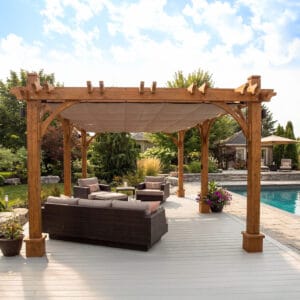
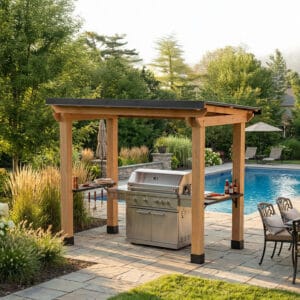
- Pergolas and pavilions
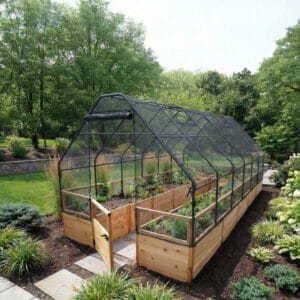
- Greenhouses and garden beds
- Siding, decking, and architectural features
Its ability to age gracefully — developing a silvery patina if left unfinished — or retain rich tones when sealed makes it both functional and visually timeless.
Cedar, Sustainability, and the Forest Ecosystem
Western Red Cedar plays a significant role in forest ecosystems. Ancient cedar trees store massive amounts of carbon, helping regulate climate and support biodiversity.
Even fallen cedars continue to contribute to the forest as nurse logs, creating habitat for mosses, plants, insects, and wildlife while slowly releasing nutrients back into the soil.
Because cedar decomposes so slowly, it acts as one of nature’s most effective long-term carbon stores — reinforcing its importance in both environmental and cultural preservation.
A Material with a Living Legacy
Western Red Cedar is more than a premium building material — it represents thousands of years of knowledge, stewardship, and craftsmanship.
From Indigenous canoe carvers to modern builders, cedar has shaped how people live, build, and connect with the land. Its durability, beauty, and sustainability continue to define outdoor design across generations.
At Outdoor Living Today, we’re proud to work with Western Red Cedar and share its story — not just as a product, but as a material with meaning.
Learn More About Western Red Cedar
For further reading and historical context:
- The Long History of Cedar – Real Cedar
https://www.realcedar.com/why-western-red-cedar/history - Red Cedar: The Amazing Giving Tree – The Tyee / Ancient Forest Alliance
https://ancientforestalliance.org/red-cedar-the-amazing-giving-tree/
For technical specifications, finishes, and sourcing standards, visit the Western Red Cedar Lumber Association (WRCLA) — the industry’s leading authority on cedar wood products.