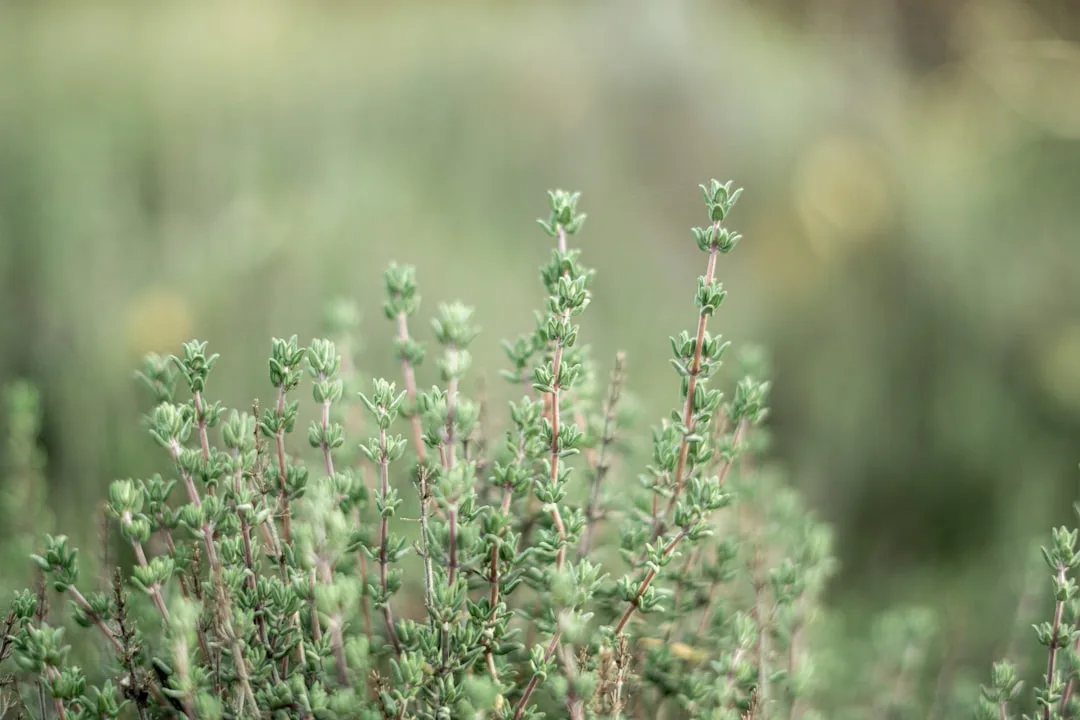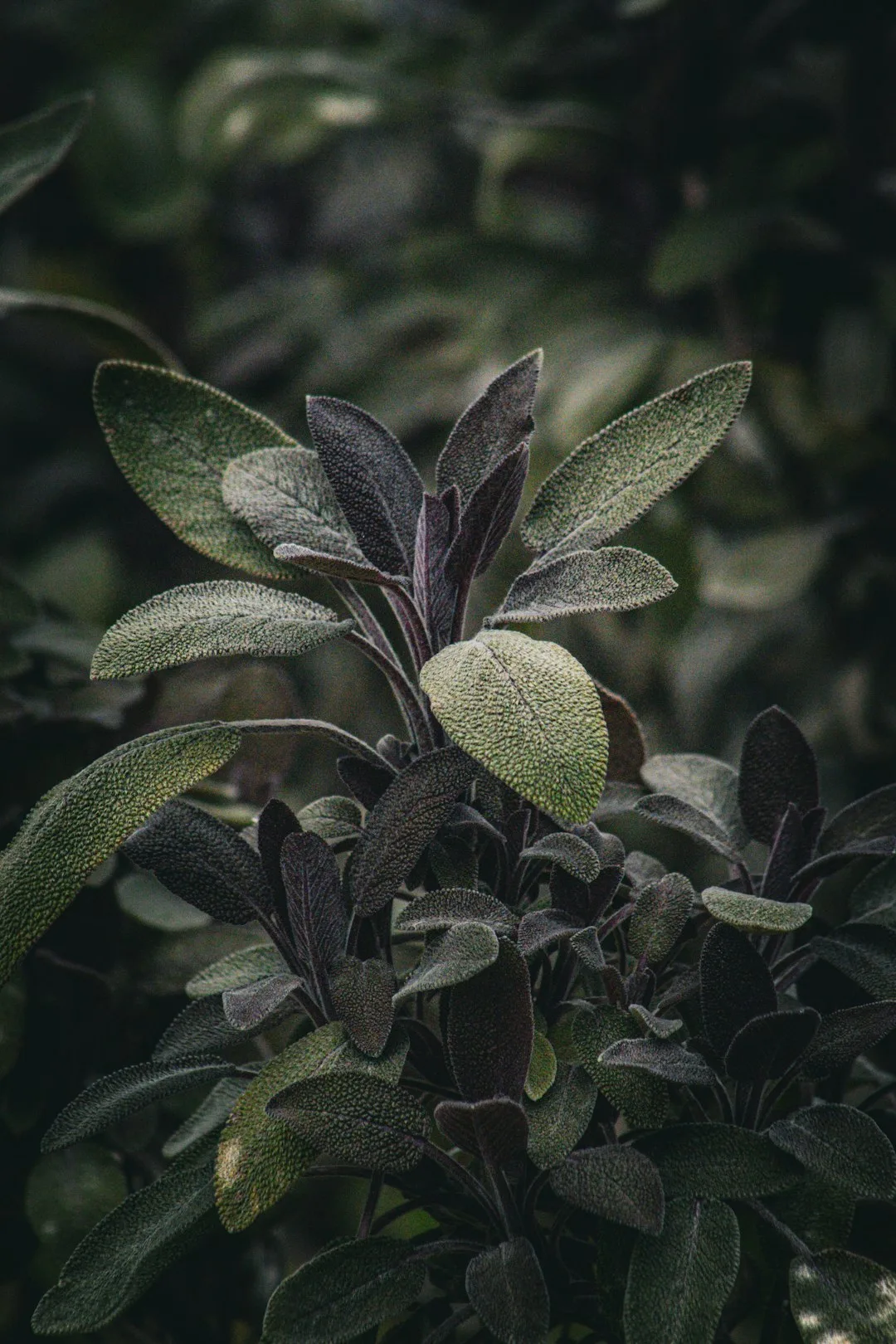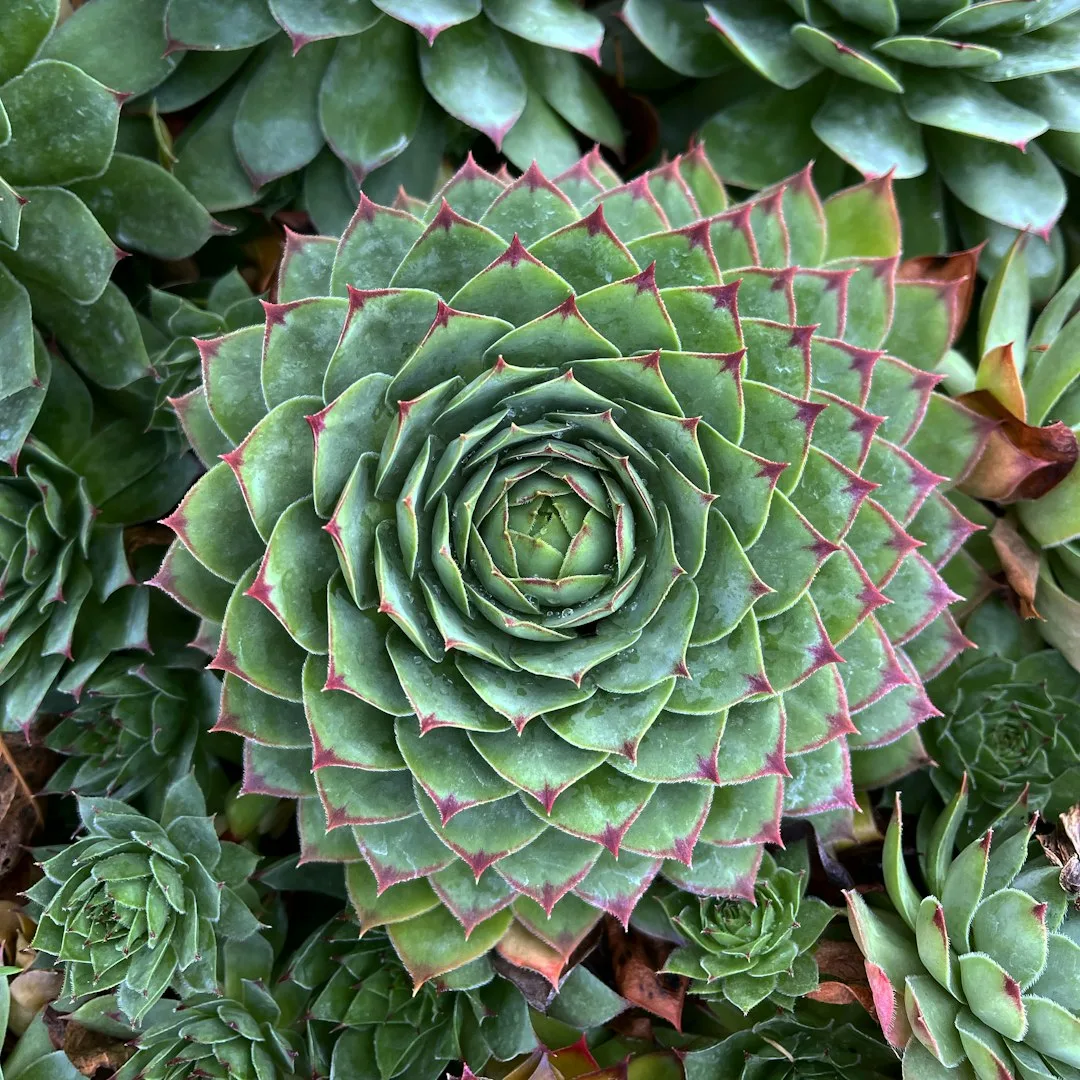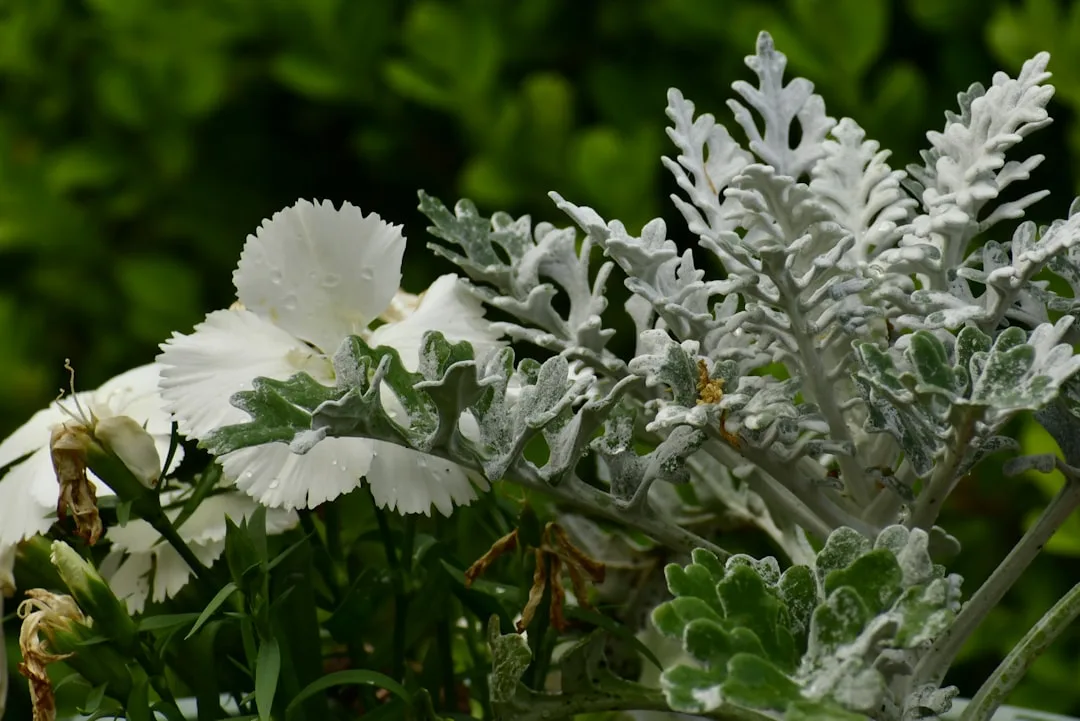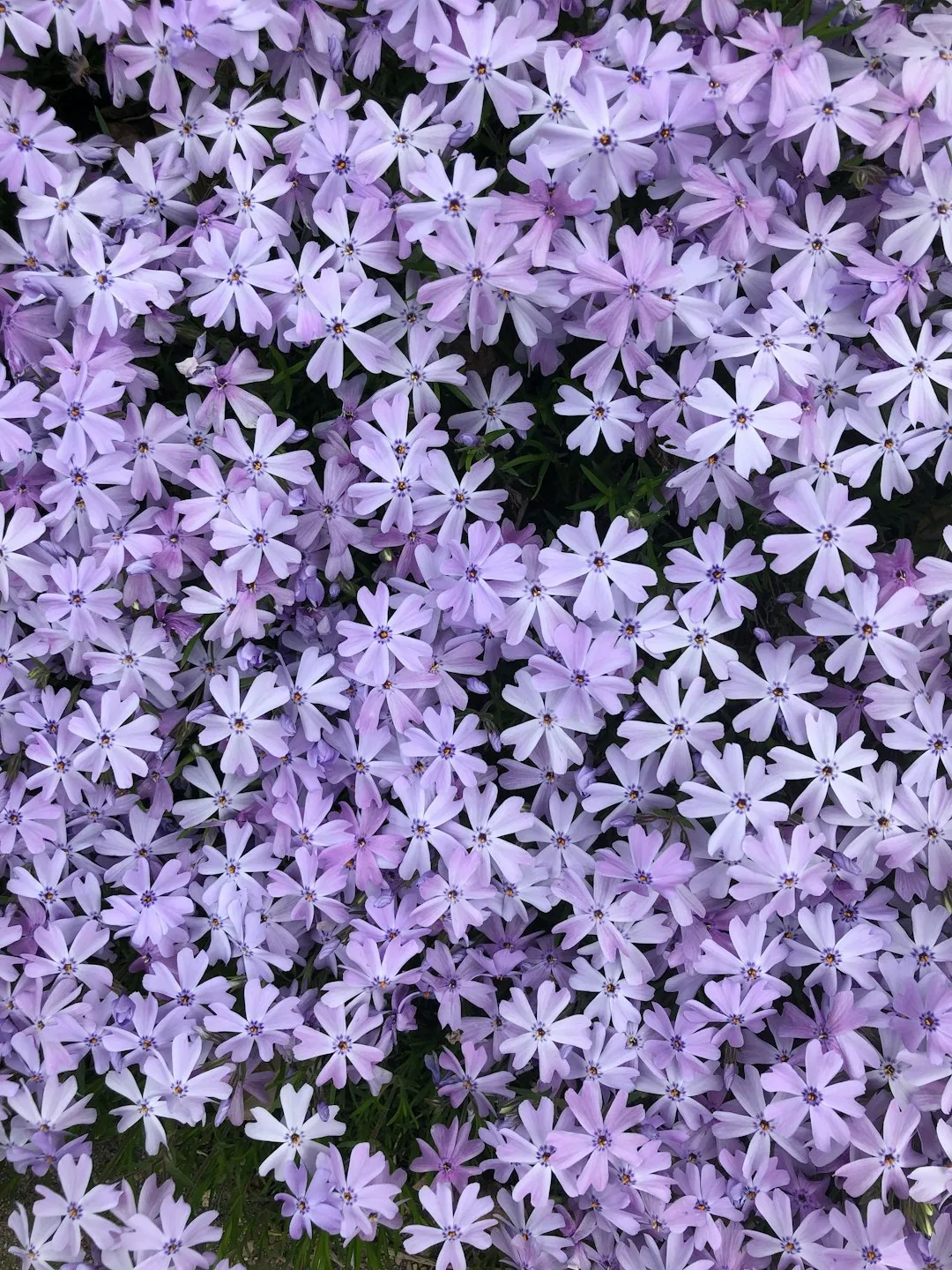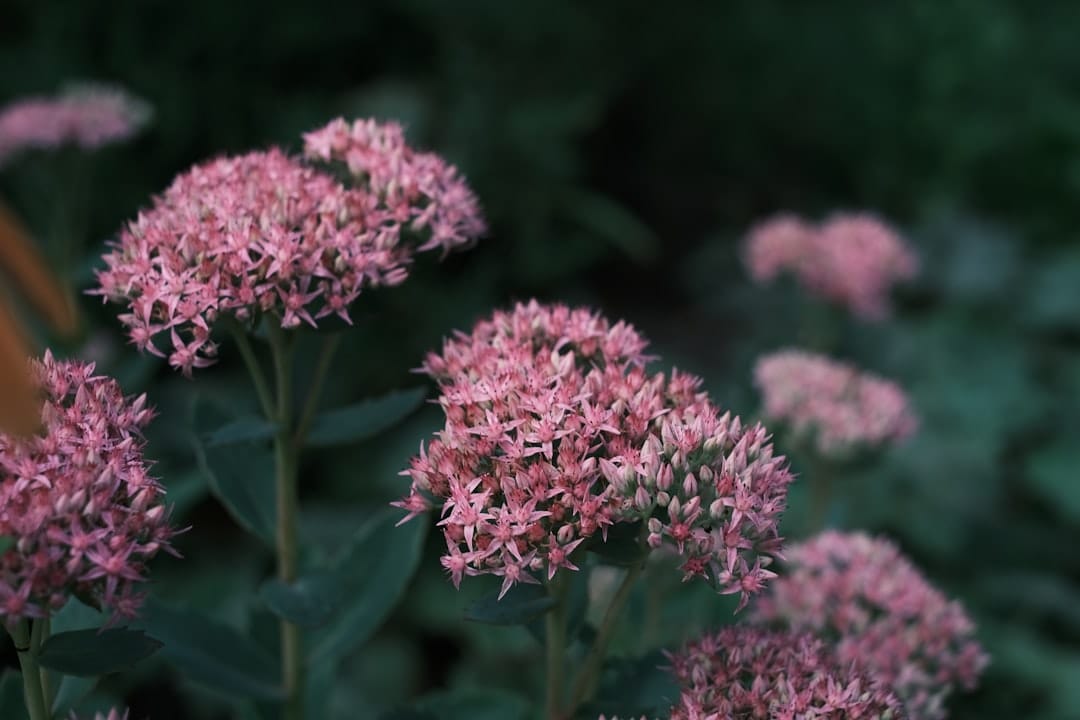
Small, intentional choices can help your garden thrive while reducing waste, conserving resources, and working in harmony with nature.
Creating an eco-friendly garden doesn’t require a complete overhaul of your outdoor space. With a few thoughtful changes, you can reduce your environmental impact while building a healthier, more resilient garden that’s easier to maintain over time. Whether you’re working with a small backyard or a larger landscape, these sustainable gardening ideas help you grow smarter and greener.
Go Organic Where It Matters Most
One of the simplest ways to make your garden more eco-friendly is by reducing chemical inputs. Avoiding synthetic pesticides and fertilizers helps protect soil health, pollinators, and nearby water sources.
Instead, focus on:
- Non-GMO or heirloom seeds
- Organic compost and natural mulches
- Companion planting to naturally deter pests
These methods improve soil structure and plant health while reducing your garden’s reliance on chemical treatments.
Use Solar Lighting to Reduce Energy Use
Outdoor lighting makes gardens more usable in the evenings, but it doesn’t have to increase your energy bill. Solar lights recharge during the day and provide soft, ambient illumination at night without electricity.
Solar lighting is ideal for:
- Pathways and garden borders
- Pergolas, patios, and seating areas
- Highlighting trees or garden features
This simple swap saves energy and reduces long-term costs with minimal effort.
Collect Rainwater for Smarter Watering
Installing rainwater barrels allows you to capture runoff from roof downspouts and reuse it in your garden. This reduces dependence on municipal water and helps conserve a valuable resource.
Rainwater collection works especially well for:
- Garden beds and raised planters
- Lawn and shrub watering
- Hand watering during dry periods
It’s an easy way to support water conservation while keeping your plants hydrated.
Choose Sustainable Materials for Your Outdoor Space
An eco-friendly garden isn’t just about how you grow plants — it’s also about the materials you build with. Choosing natural, long-lasting materials reduces waste, minimizes chemical exposure, and lowers the need for frequent replacements.
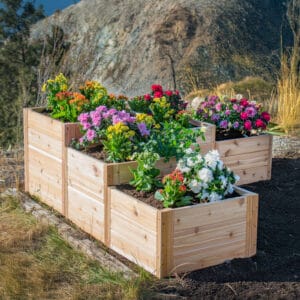
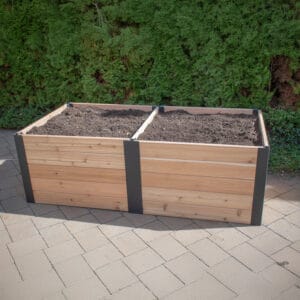
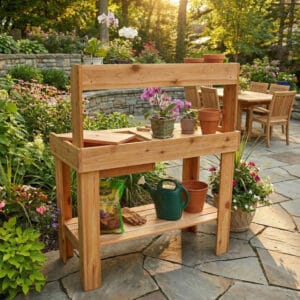
Wood is one of the most sustainable options when sourced responsibly. In particular, Western Red Cedar is naturally resistant to rot, moisture, and insects, which means it requires fewer chemical treatments over its lifetime. Its durability allows outdoor structures like pergolas, planters, and furniture to age gracefully while maintaining structural integrity.
By selecting materials that are built to last, you reduce environmental impact while creating outdoor spaces that remain functional and beautiful for years to come.
Design with Nature, Not Against It
One of the most effective ways to create an eco-friendly garden is to work with your environment rather than trying to control it. Designing around natural light, drainage patterns, and native plant life leads to healthier gardens with less maintenance.
Simple ways to do this include:
- Planting native or climate-adapted species that require less water and fertilizer
- Using shade structures like pergolas to naturally cool outdoor areas
- Allowing wood elements to weather naturally instead of frequent repainting
Gardens designed with nature in mind tend to be more resilient, lower maintenance, and better for local ecosystems. Over time, they also develop a more organic, lived-in character that enhances the overall outdoor experience.