
March 4, 2019
How a well-designed outdoor structure adds comfort, character, and long-term resale appeal.
Backyards are no longer just extra space. For many buyers, outdoor living areas are an extension of the home. Recent surveys show that patios, porches, and other outdoor living features rank among the most desired elements in a new home, with more than 80% of buyers saying they want a dedicated outdoor living area.
A pergola or gazebo gives that space a clear purpose. It provides shade, creates a natural gathering spot, and makes the yard feel finished and intentional. When it is thoughtfully designed and built with quality materials, it can also support your home’s resale value and help your property stand out in a crowded market.
In this guide, we will walk through how pergolas and gazebos influence property value, what affects their return on investment, and how to plan a structure that looks beautiful today and appeals to future buyers tomorrow.
How Outdoor Structures Influence Home Value
Real estate value is about more than square footage. Buyers pay attention to how a home feels and how easily they can imagine living there. Outdoor structures help with that in a few key ways:
- Defined outdoor rooms. A pergola or gazebo frames space for dining, lounging, or entertaining, which helps buyers picture themselves actually using the yard.
- Improved comfort. Shade, shelter from light rain, and optional privacy screens make outdoor time more comfortable and extend the usable season.
- Better first impressions. A well-kept outdoor structure makes the whole property look cared for, which can support a higher perceived value.
Across many markets, attractive outdoor living spaces can deliver a strong return on investment. Industry estimates suggest that well-planned outdoor projects can recoup a significant portion of their cost at resale, especially in areas where outdoor living is a high priority.
Factors That Affect How Much Value You Add
Not every pergola or gazebo automatically increases value. The details matter. When you plan your project, keep these factors in mind.
1. Location and Climate
In regions with long summers or mild weather, buyers often place a premium on usable outdoor space, which means a pergola or gazebo is likely to see more use and more perceived value.
In colder or very wet climates, the structure may still be a selling feature, but buyers will care more about durability and how well it stands up to local conditions.
2. Overall Project Cost
Any improvement has to make sense for the neighborhood. Spending far more than similar properties in your area may not deliver a full financial return, even if the structure itself is beautiful. Aim for a level of investment that feels aligned with nearby homes and your long-term plans.
3. Type of Structure and Material
Simple, open pergolas, fully roofed gazebos, and hybrid garden structures all offer different levels of protection and visual impact. Materials also play a major role in both appearance and ongoing upkeep, which buyers notice.
We will look at materials in more detail below.
4. Size and Scale
A structure that is too small can look like an afterthought. One that is too large can overwhelm the yard and feel out of proportion to the house.
As a general rule, the pergola or gazebo should feel visually balanced with:
- The main house
- The deck or patio it sits on
- The amount of open yard that remains
When in doubt, slightly smaller and well-proportioned is better than oversized.
5. Design, Quality, and Maintenance
Buyers look for solid construction and low future maintenance. Straight lines, secure connections, and quality fasteners give confidence that the structure will last.
Finishes matter as well. Sealed wood, rust-resistant hardware, and clean roofing materials show that the structure has been cared for. A pergola or gazebo that clearly needs major repairs can have the opposite effect on value.
Choosing Materials That Support Long-Term Value
The right material is a balance of beauty, durability, and maintenance. Here are some common options and how buyers tend to view them.
Western Red Cedar
- Look: Warm, natural color that weathers gracefully over time.
- Benefits: Naturally resistant to rot and insects, which is ideal for outdoor structures.
- Buyer appeal: High. Cedar is often associated with quality builds and can be a strong selling point when properly maintained.
Other Hardwoods (such as teak)
- Look: Rich, premium appearance.
- Benefits: Very durable and long-lasting, often used in high-end outdoor projects.
- Buyer appeal: High, although the higher cost does not always translate into proportionally higher resale value in every market.
Aluminum or Steel
- Look: Clean, modern lines and slim profiles.
- Benefits: Low maintenance and resistant to rot, insects, and warping.
- Buyer appeal: Good, especially for modern homes or buyers who prefer low-maintenance materials.
Fiberglass or Vinyl
- Look: Can mimic painted wood with consistent color.
- Benefits: Highly resistant to weathering and very low maintenance.
- Buyer appeal: Mixed. Some buyers appreciate the durability, while others prefer the character of real wood.
If you are building specifically with resale in mind, a durable wood like Western Red Cedar often strikes the best balance between natural beauty, perceived quality, and long-term performance.
Pergola and Gazebo Styles Buyers Love
You do not need an overly complex design to impress buyers. Clean, well-proportioned styles tend to have the broadest appeal.
Popular options include:
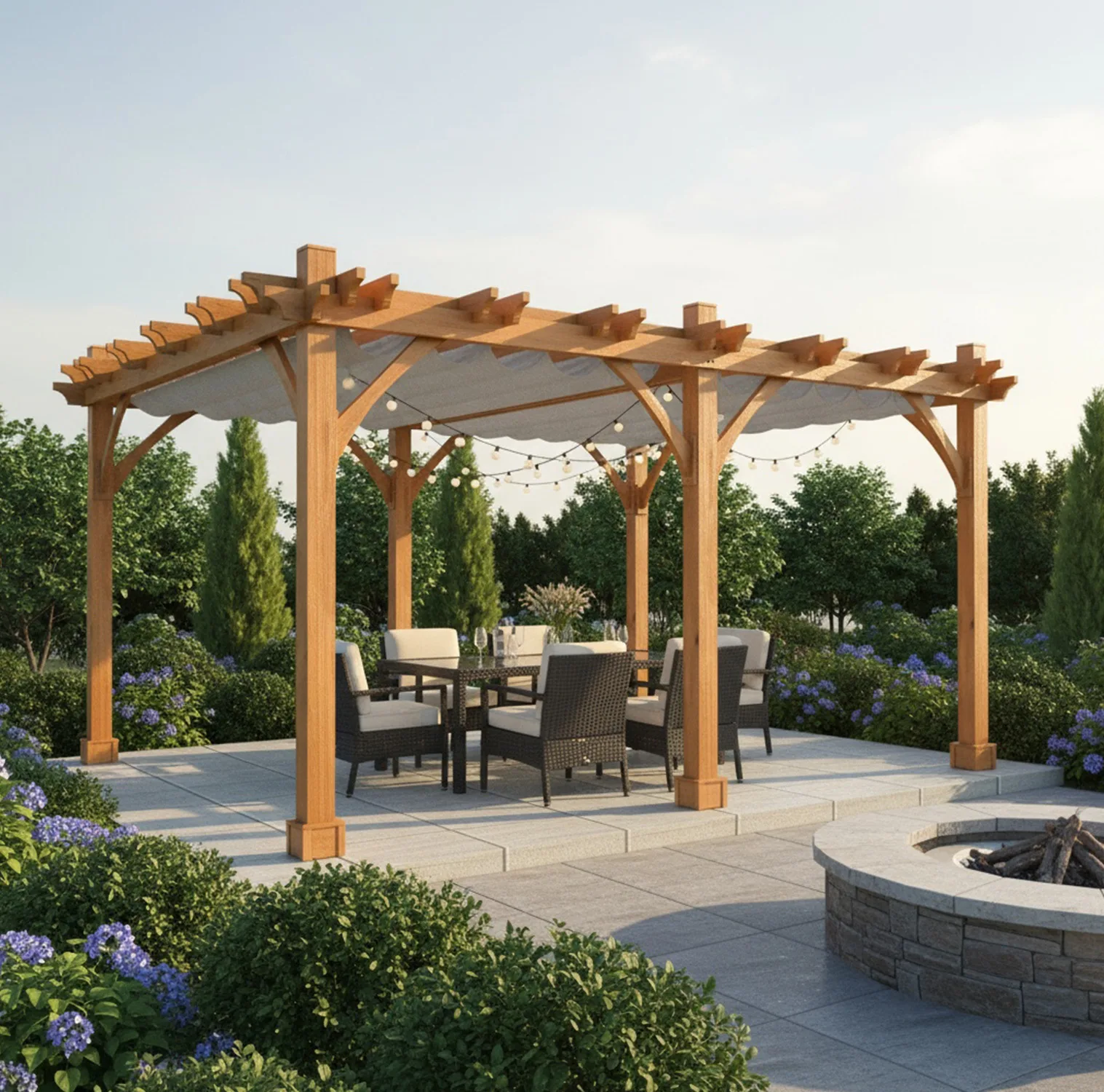
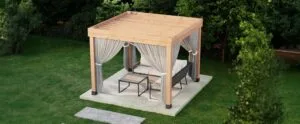
Pergolas with retractable canopy. Provide adjustable shade and feel modern yet timeless.
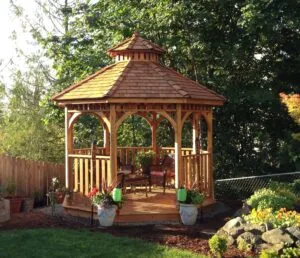
Octagon or pavilion-style gazebos. Create a focal point in the yard and offer full roof coverage for dining or seating.
Open-topped pergolas. Simple, airy structures that frame a patio, path, or outdoor kitchen.
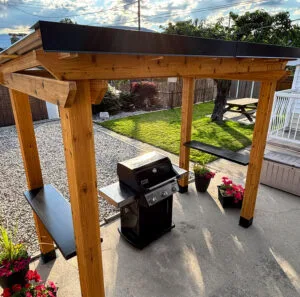
Cottage-style garden structures or sheds with covered seating. Combine storage or workspace with a cozy sitting area, which many buyers find practical.
When choosing a style, look at the architecture of your home and echo some of its lines and details. Matching roof pitch, trim color, or railing style helps the new structure feel like it belongs.
Design Tips to Maximize Resale Appeal
A few thoughtful decisions can make your pergola or gazebo more attractive to future buyers.
Integrate with the Landscape
Surround the structure with plantings, paths, or a small patio so it feels like part of a larger outdoor room. Climbing vines, container gardens, or built-in planters can soften hard edges and create a lush, inviting feel.
Plan for Lighting and Power
Discreet wiring for string lights, sconces, or a ceiling fan adds comfort and makes the space usable in the evening. If possible, hide cables and use weather-rated fixtures so everything looks intentional and safe.
Think About Privacy and Views
Position the structure to frame pleasant views and screen less attractive ones. Lattice panels, privacy screens, or strategically placed shrubs make the space feel more secluded, which many buyers appreciate.
Keep Maintenance Practical
Choose finishes and details you can realistically maintain. A structure that looks great in listing photos but clearly requires constant work may worry buyers who do not want a high-maintenance yard.
Planning Your Project: Key Considerations
Before you start building, take time to plan. A thoughtful plan protects your budget and helps ensure the finished structure genuinely adds value.
Clarify your budget. Decide how much you are comfortable investing, including site prep, foundation, structure, and any furnishings or landscaping.
Check local rules. Confirm whether you need permits, property-line setbacks, or homeowners association approval.
Choose the right spot. Consider sun path, shade, wind, and how people will move between the house and the structure.
Measure carefully. Map out the footprint with stakes or tape so you can see how it feels in the yard.
Select a design that fits your lifestyle. Think about how you will actually use the space: quiet reading nook, family dining area, or a larger entertaining hub.
Decide on DIY or kit vs custom build. Pre-engineered kits in quality materials can simplify planning and ensure the structure is designed for outdoor performance.
Conclusion: A Smart Upgrade for Everyday Life and Future Resale
A pergola or gazebo is more than a pretty feature. When it is planned with care, built from quality materials, and integrated into the overall landscape, it can become one of the most loved parts of your property.
You gain a shaded retreat for everyday life, more room to entertain, and an outdoor space that feels purposeful and complete. At the same time, buyers increasingly look for outdoor living areas when they shop for homes, which means a well-designed structure can help your property stand out and support its value when it is time to sell.
If you are ready to invest in your backyard, start by imagining how you want to live outside. From there, choose a pergola or gazebo that matches your home’s style, your climate, and your long-term plans. Done right, it is an upgrade you can enjoy today and feel confident about in the future.
Ready to Build Your Outdoor Escape?
A well-designed pergola or gazebo can transform your yard and add lasting value to your home. If you are ready to create a space that looks beautiful, feels comfortable, and fits your lifestyle, explore our handcrafted cedar pergola and gazebo kits.