April 25, 2017
Essential steps to prepare your garden for a healthy, productive growing season.
Spring is the season of renewal, and your garden is no exception. After months of cold weather, soil, plants, and outdoor structures all benefit from a thoughtful reset before planting begins. Taking the time to prepare your garden early helps prevent issues later in the season and creates the conditions plants need to thrive.
Before planting flowers, vegetables, or fruit, working through a few essential spring gardening tasks will make your garden easier to maintain, more productive, and far more enjoyable throughout the warmer months.
Clear and Refresh Garden Beds
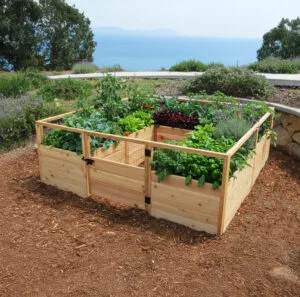
Before introducing new plants, start by clearing out flower beds and borders. Remove dried leaves, fallen branches, and any debris that accumulated over winter. This helps improve airflow, reduces hiding spots for pests, and allows sunlight to reach the soil more evenly.
Early spring is also the right time to trim back dead or damaged growth from perennials, shrubs, and ornamental grasses. Clearing beds now gives new growth room to emerge and keeps plants looking healthier as the season progresses.
Clean and Inspect Greenhouses and Garden Structures
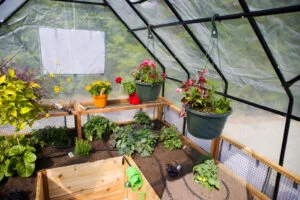
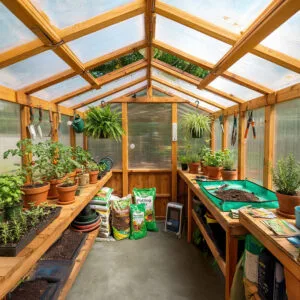
Greenhouses, cold frames, pergolas, trellises, and other garden structures should be cleaned and inspected before regular use begins. Wash surfaces inside and out to remove dirt, mold, and any lingering pests that may have settled in over winter.
Check for signs of moisture damage, loose fasteners, or areas that may need repair. Addressing small issues early helps extend the life of your structures and ensures they are safe and ready to support the growing season ahead.
Check Fences, Gates, and Trellises
Winter weather can be hard on garden fixtures. Take time to examine fences, gates, and trellises for damage or wear. Tighten hardware, repair broken sections, and refresh finishes if needed.
Strong, well-maintained supports are especially important before climbing plants and vines begin their rapid spring growth. Making repairs now prevents plant damage later and keeps your garden looking polished and intentional.
Additional Spring Gardening Tasks to Set Your Garden Up for Success
Clean Bird Feeders and Water Features
Bird feeders and bird baths should be thoroughly cleaned and disinfected before spring use. Remove any old seed or debris and test water features for leaks or damage.
As temperatures rise and birds return, clean feeders and fresh water help attract wildlife while supporting a healthier garden ecosystem. Birds also assist with natural pest control, making them welcome visitors throughout the growing season.
Manage Early-Season Pests
Spring is an ideal time to get ahead of garden pests before they become a larger problem. Inspect soil, plants, and structures for signs of insects or eggs, and remove them early when possible.
Addressing pest issues before planting helps reduce damage during peak growing months and minimizes the need for more aggressive treatments later in the season.
Test and Improve Soil Quality
Healthy soil is the foundation of a successful garden. A simple soil test can help determine nutrient levels and guide fertilizer choices for the season ahead.
Early spring is also a good time to add compost, mulch, or soil amendments to improve structure and moisture retention. Refreshing soil now gives plants a stronger start and supports steady growth throughout the season.
Set Up Water Collection and Irrigation
If you use rain barrels or water collection systems, spring is the time to set them up. Place containers where they can collect rainfall efficiently and check hoses or irrigation lines for leaks or blockages.
Having a reliable watering system in place early helps conserve water, supports consistent plant growth, and reduces maintenance once temperatures rise.
Prepare and Maintain Gardening Tools
Before planting begins, clean and inspect your gardening tools. Sharpen blades, repair damaged handles, and replace any tools that are no longer safe or effective.
Well-maintained tools make gardening tasks easier, more efficient, and more enjoyable throughout the season.
Plan Your Garden Layout
Taking time to plan your garden before planting pays off later. Decide which flowers, vegetables, and fruits you want to grow and where each will thrive best based on sunlight and spacing.
Planning ahead helps prevent overcrowding, simplifies maintenance, and ensures you have seeds or seedlings ready when planting time arrives.