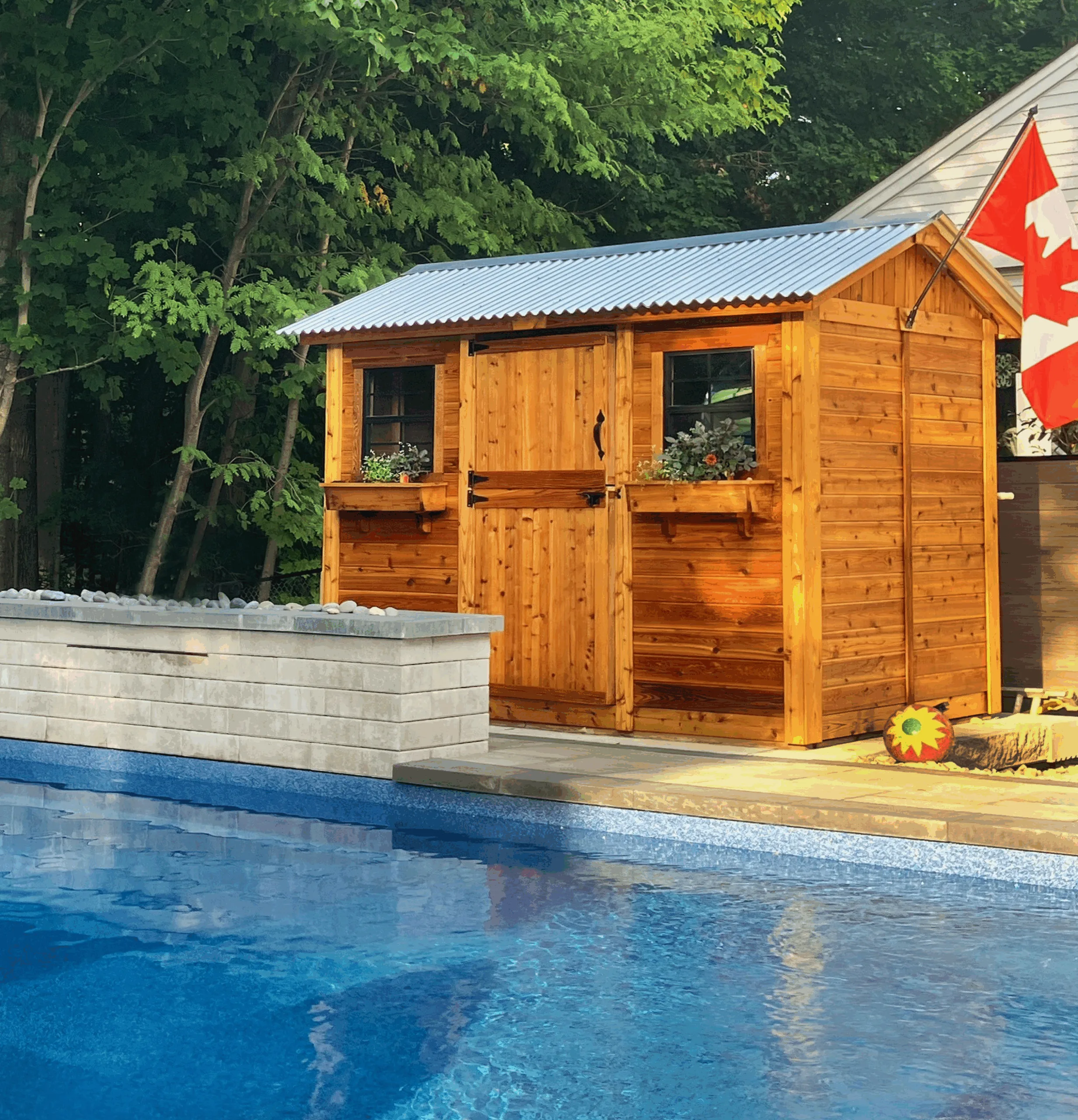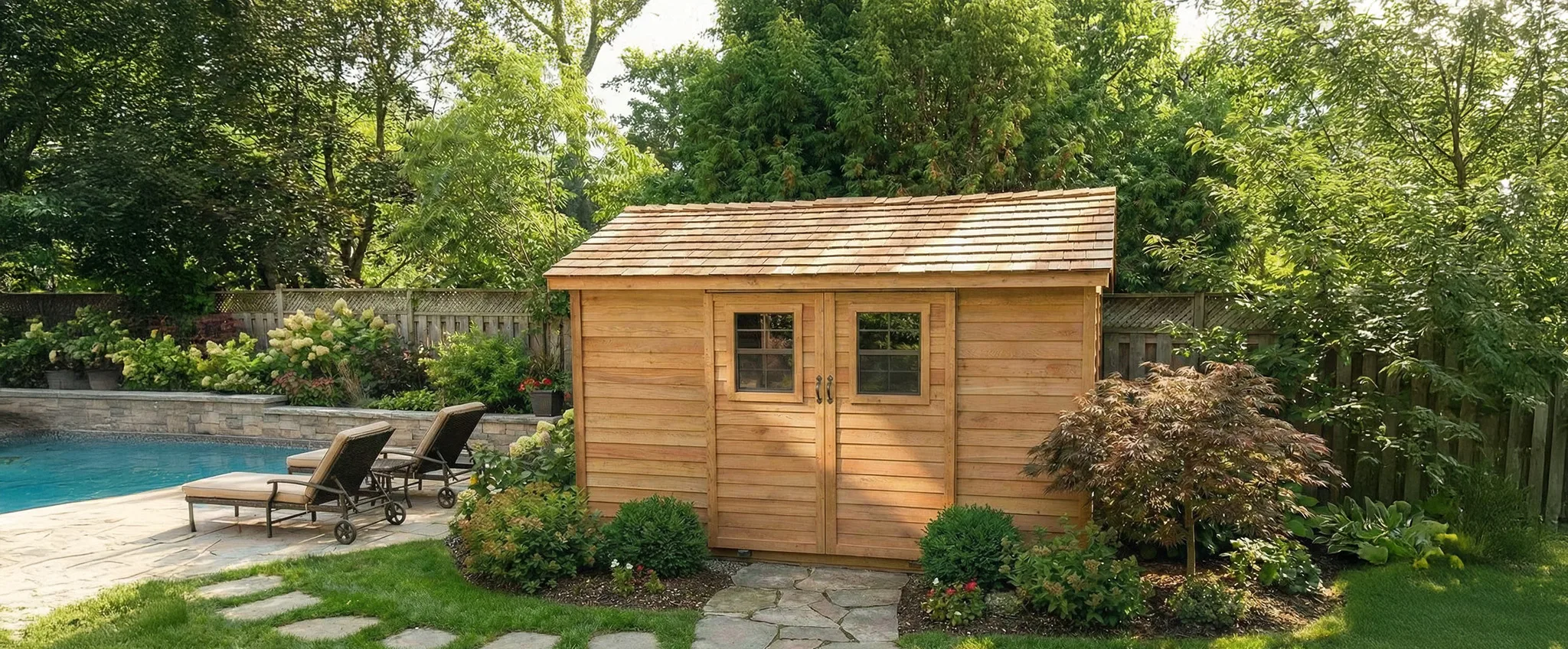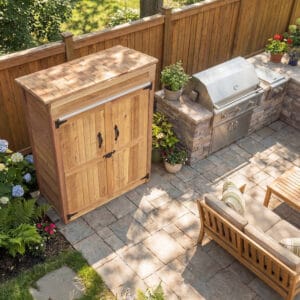
A practical guide to improving shed security with smart, long-lasting solutions.
Garden sheds often store far more value than we realize — power tools, bikes, lawn equipment, seasonal décor, and electrical gear can add up quickly. Yet sheds are frequently overlooked when it comes to home security.
Whether your shed is attached to your home or placed at the back of your yard, securing it properly helps protect your investment, your tools, and your peace of mind. In this guide, we’ll break down the most effective ways to make your shed safer using a layered, practical approach.
In this guide we will explain:
✓ common shed security weak points
✓ structural upgrades that deter break-ins
✓ hardware and lock improvements
✓ lighting and visibility tips
✓ affordable upgrades with long-term impact
Why Garden Sheds Are Common Targets
Sheds are often targeted because they’re quieter, less visible, and easier to access than a home. Many are secured with aging hardware, thin panels, or minimal lighting — making them attractive to opportunistic theft.
Improving shed security isn’t about making it impenetrable. It’s about making it difficult, visible, and time-consuming for intruders — which is usually enough to make them move on.
Key Steps
1. Strengthen the Shed Structure
The first step in shed security is addressing physical weaknesses.
Loose boards, rotting panels, or damaged roofing reduce a shed’s ability to resist forced entry. Inspect your shed for gaps, soft wood, or broken slats and reinforce these areas with new panels or structural fasteners.
Focus on:
- Replacing rotted boards or weakened panels
- Repairing roof gaps or holes
- Securing loose slats and framing
A solid structure creates the foundation for every other security upgrade.
2. Upgrade Doors and Windows
Doors and windows are the most common entry points.
Replace any deteriorated doors or window frames and patch visible holes. Make sure doors close tightly and cannot be pried open easily.
Additional deterrents:
- Trim back overgrown shrubs to remove hiding spots
- Keep fences and gates around the shed closed
- Avoid placing ladders or tools nearby that could aid access
Visibility and accessibility play a major role in preventing break-ins.
3. Replace Old Locks with Strong Hardware
Many sheds rely on outdated or lightweight locks that offer minimal protection.
Upgrade to a heavy-duty hasp and staple system, secured with carriage bolts or coach bolts that cannot be removed from the outside. Pair this with a weather-resistant, rust-proof padlock rated for outdoor use.
For added convenience and security, you may also consider:
- Combination padlocks
- Keyless or electronic shed locks
The harder a lock is to defeat, the less likely someone will attempt entry.
4. Secure Hinges and Hardware
Exposed hinges can be an overlooked vulnerability.
If hinge pins are accessible from the outside, intruders can remove the door without touching the lock. Replace exposed hinges with models that feature non-removable pins and secure them using smooth-head carriage screws.
This simple upgrade significantly increases resistance to forced entry.
5. Protect Window Units and Openings
If your shed includes a window or window-mounted AC unit, these openings should be reinforced.
Install exterior support brackets for AC units and add window security bars or locking bars to prevent the window from being lifted or removed. These are affordable upgrades that dramatically improve security.
6. Improve Lighting and Visibility
Poor lighting makes sheds easier targets.
Installing motion-activated outdoor lighting near the shed instantly increases visibility and discourages nighttime activity. Lighting also improves overall yard security by drawing attention to movement.
Well-lit areas feel less private — and that’s exactly what you want.
A Smarter Approach to Shed Security
Securing your shed doesn’t require expensive systems or complicated installations. By combining structural repairs, strong hardware, visibility, and smart layout choices, you can significantly reduce the risk of theft.
The goal is simple:
Make your shed harder to access, easier to see, and not worth the effort.
A well-secured shed protects not just your tools — but your time, money, and peace of mind.


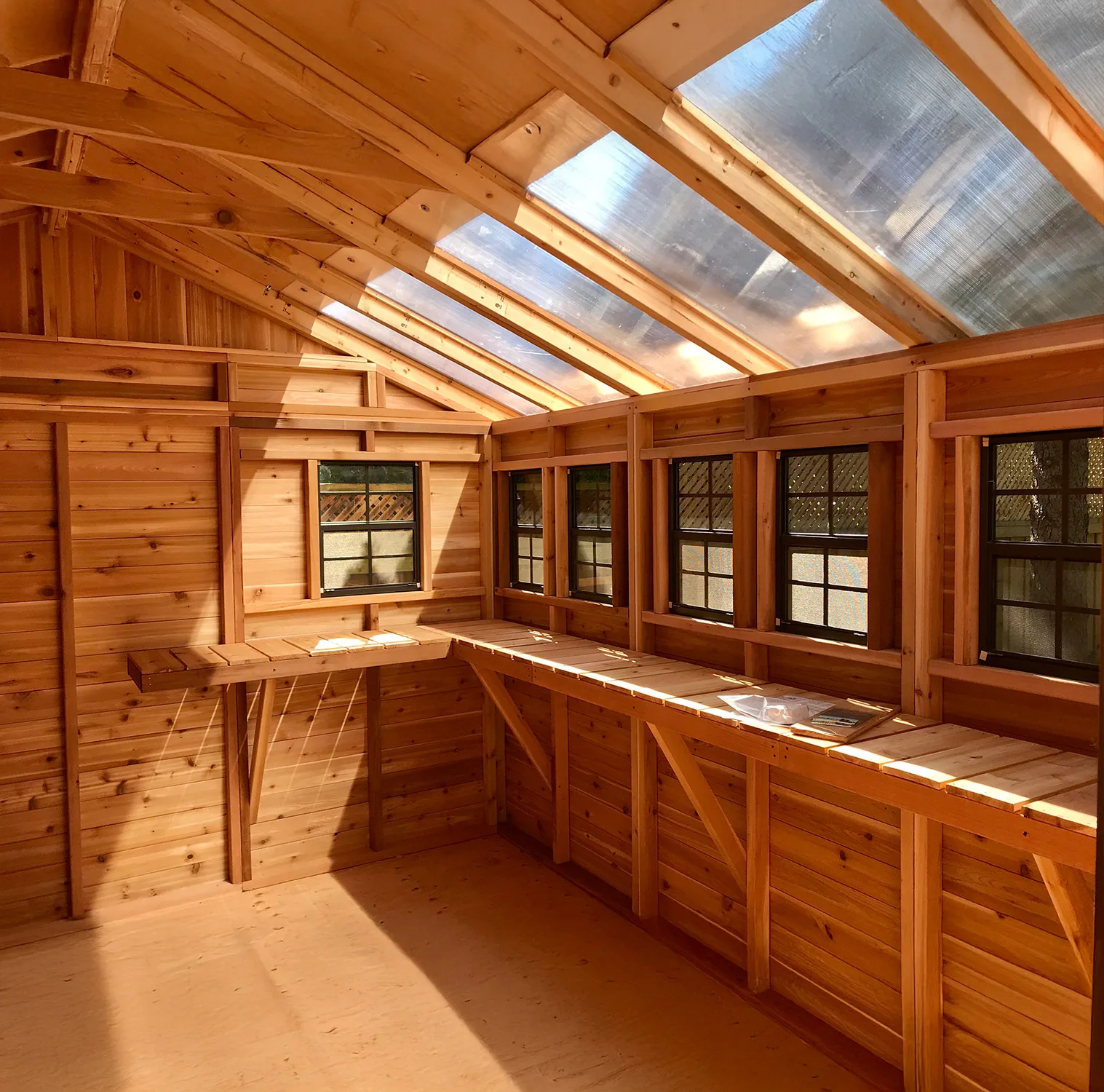
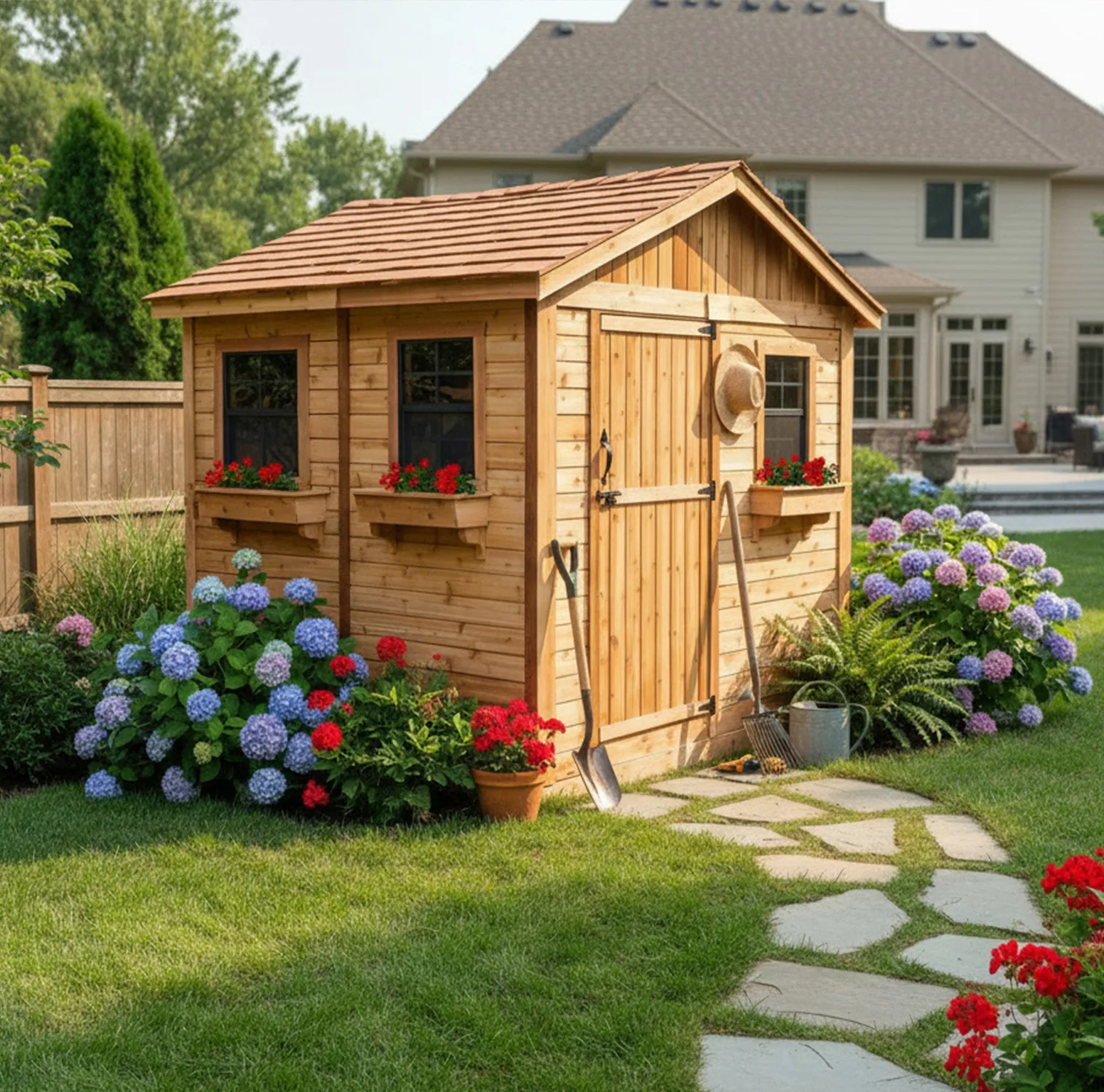
A garden shed is no longer a luxury. It is a necessity that allows you to enjoy more storage space for your gardening tools and implements rather than using your garage for storage. You can easily invest in a panelized garden shed that you can erect yourself. Not only is such a shed aesthetically pleasing, it also is quite functional.
DIY panelized garden sheds come with pre-cut panels that already have
It is important to use shelf space prudently. Anything that is small and organic, such as mulch or dirt should first go into waterproof packaging and then onto the shelf. This will prevent the shed’s floor from damage.
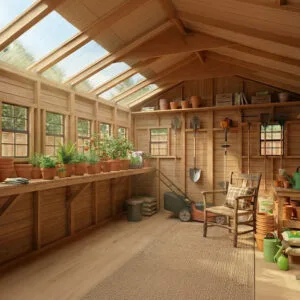
Similarly, pots, watering cans, fertilizer, and herbicides should also go onto a shelf. Make sure you label the shelf, so that you know what goes where. Place other small items in transparent plastic boxes with lids. Label the boxes on all sides, so that you know what they are for.
Place these in a systematic manner on the shelves. Boxes that hold items you need regularly for your garden maintenance and upkeep should be placed on lower shelves, while those you use sparingly or rarely should be placed on higher shelves.
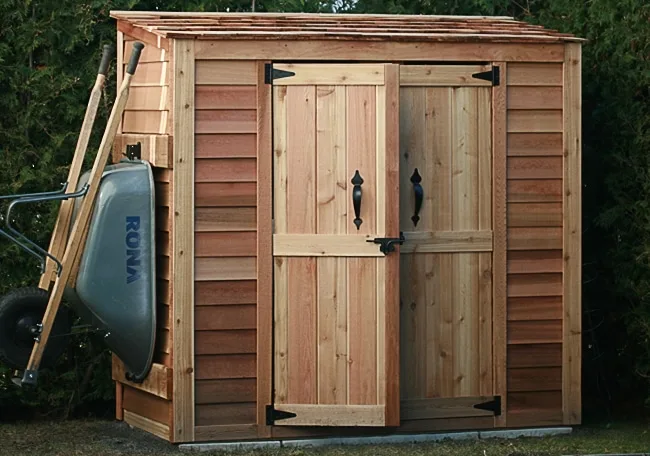
Your wheelbarrow should be propped up against the wall, so that it is not in the way when you enter the shed.
Wooden sheds and furniture all require the right care to ensure that they have a long life. Caring for your wooden outdoor structures not only increases their lifespan but also gives them a well maintained, aesthetically pleasing look.
Wood is one of the most beautiful of all materials to construct with and can convey a look of refined elegance. Most of the time, minimal and regular maintenance, prior knowledge of the problems that can occur, and a sharp eye can decrease the costs from damage caused by negligence.
Some things you can do to prevent rot in wooden sheds is to use decay resistant and pressure treated wood. When
Use a planer and sander to create smooth surfaces and then polish it for that perfect finish.Wooden flooring can be sanded several times depending on the thickness of the wear and tear and your floor will last for several years.
For general care just clean your wooden outdoor furniture with some soapy water. Use mild cleaners otherwise you might damage the finish. If it needs extra cleaning sand it lightly and brush away any dust that might remain on the surface.
After you have cleaned it you now have the option to either oil it, paint it, or leave it as is so it transitions and ages naturally into that weathered look.
Your garden shed sometimes ends up looking like a junkyard where you simply store items that you can’t find an appropriate place for anywhere else in your home or probably garage.
In all that mess, you probably won’t be able to locate that trusty trowel you’ve been searching for, or that rake that you just can’t seem to find, meaning that you will find it easier to just head to the store and buy a new one.
If your shed is beginning to look like a chaotic mess, it may be the right time to get into shed organization. The end of summer is a great time to clean out and organize your shed. Here are some handy tips to make your shed organization project a breeze.
If you have too many duplicates of a certain item, they need to go. Anything that has been rusted or is broken and you haven’t gotten around to repairing them yet also needs to be thrown out. If there are a few items that can be recycled, keep them in a separate pile.
Use clear plastic shoe boxes to store plant markets, twine, and hand tools. Keep these at eye level so all it takes is a glance to know what’s in there. Remember to label here too!
Create some room at the back of your shed for long-handed tools such as shovels and rakes. If you have some extra space, you can use hooks screwed onto the wall to hang any medium-length tools. You can even throw in a few lightweight tools into a pair of tall rubber boots.
A clear plastic bag is a fabulous place to store gloves, seed packers, and miscellaneous hand tools. For an
An overcrowded garage can make it difficult to park the cars your family owns. Moreover, it becomes difficult to locate tools, gardening equipment, and other items all stored together in the garage. Instead, you can build a storage shed that will contain the space to neatly organize gardening equipment and yard tools which will also increase the value of the property.
You are now ready to add vinyl siding to the exterior of the shed. Begin applying the siding from the edges with the decorative trim and work your way to the center.

The environment should be respected and many people are trying to save/impact it with small steps that, collectively, could impact the atmosphere in a major way. If you are looking to be more eco-friendly, why not include your garden in your plans?