
A safe, durable, and family-friendly outdoor project designed for years of imaginative play
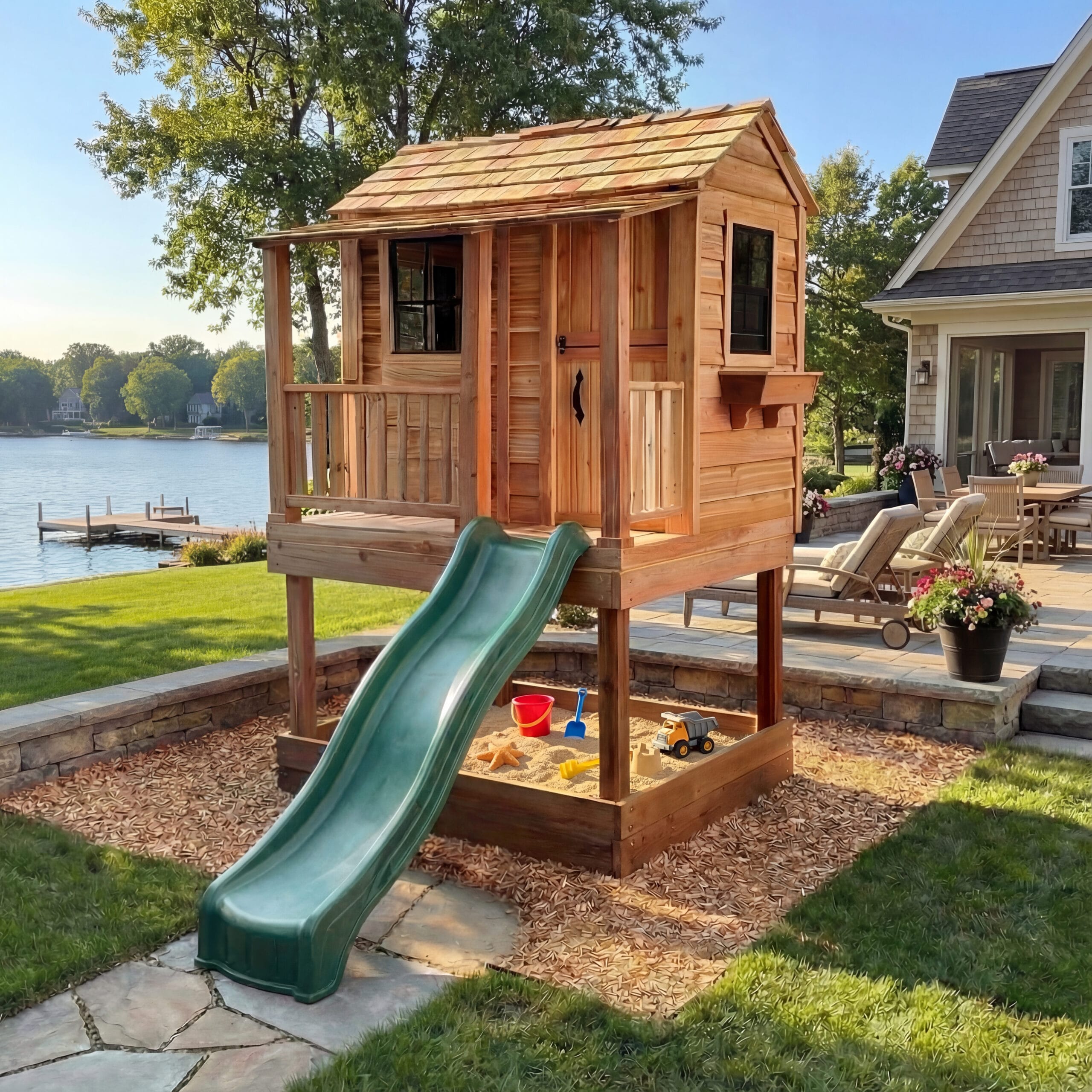
A sandbox is one of the simplest ways to create meaningful outdoor play at home. It encourages imagination, sensory development, and screen-free time — all in a space that feels fun, safe, and familiar.
In this guide, we’ll walk through how to build a cedar sandbox that’s durable, kid-friendly, and designed to last through years of outdoor use.
Why Wood Choice Matters for a Kids’ Sandbox
Outdoor play structures are constantly exposed to moisture, sun, and temperature changes. For kids’ spaces especially, choosing the right material matters — not just for durability, but for safety and maintenance.
Lower-quality woods can splinter, retain moisture, or degrade quickly, which leads to more upkeep and a shorter lifespan.
That’s why wood selection is one of the most important decisions when building a sandbox.
What Causes Wood Wear and Deterioration Outdoors?
Outdoor wood naturally breaks down over time due to a combination of factors:
- Moisture exposure (rain, ground contact, damp sand)
- UV rays that dry and weaken wood fibers
- Temperature fluctuations that cause expansion and contraction
- Biological elements like fungi and insects
Together, these factors can lead to cracking, softness, splintering, and structural weakening — especially in woods that aren’t naturally resistant.
Why Cedar Is a Smart Choice for Kids’ Sandboxes
- Naturally resistant to rot and decay
- Resists insects without chemical treatment
- Low moisture retention, helping it stay stable over time
- Smooth, lightweight, and splinter-resistant when properly finished
These qualities make cedar both durable and kid-safe, reducing maintenance while providing peace of mind.
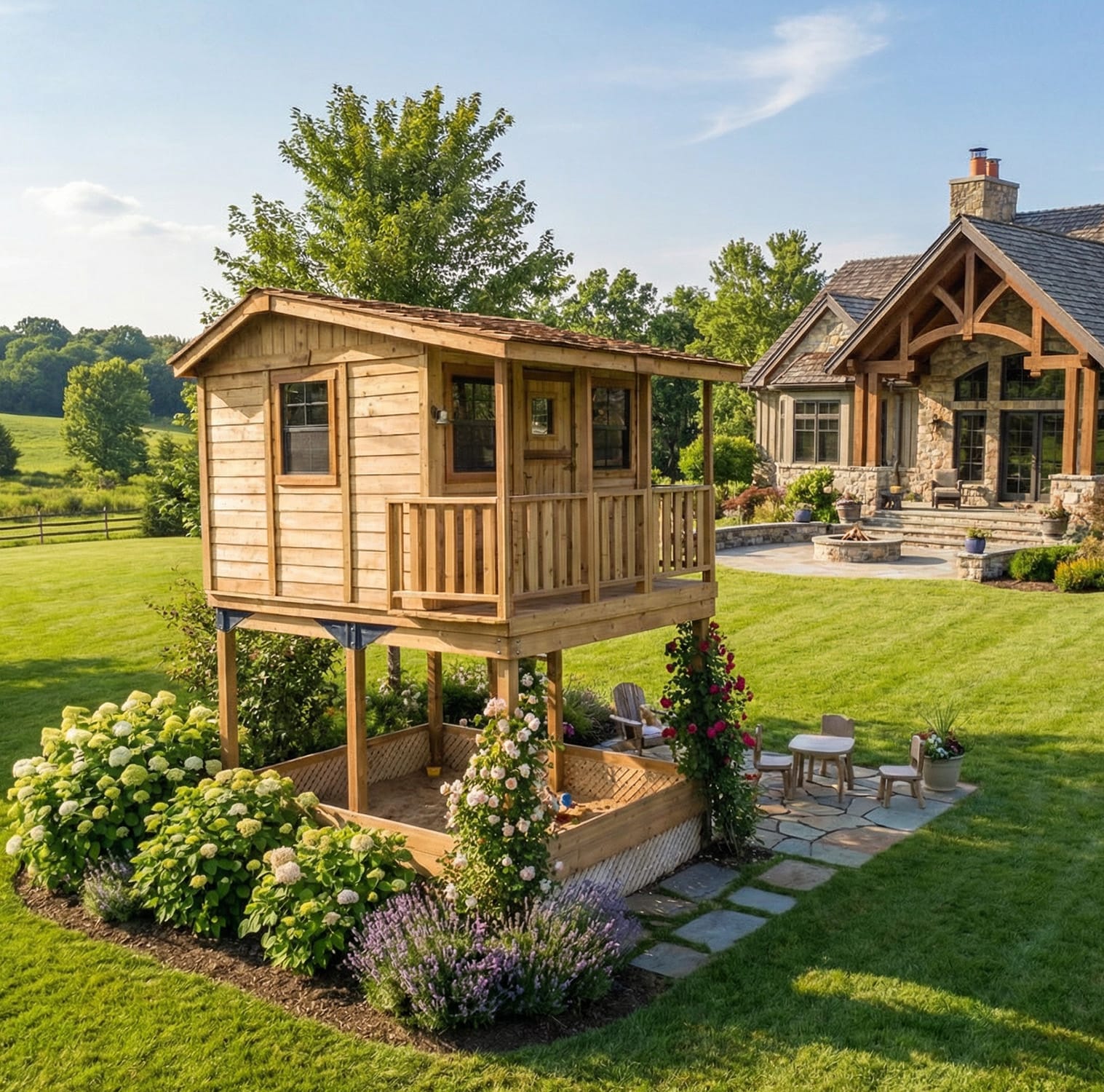
Getting Started: What You’ll Need
- Cedar boards (cut to size)
- Exterior-grade deck screws
- Penetrating, non-toxic wood sealant
- Drill and drill bits
- Measuring tape and square
- Sandpaper (medium grit)
- Landscape fabric
- Playground-grade sand
How to Build a Cedar Sandbox (Step by Step)
Step 1: Prepare and Cut Your Cedar
Cut all cedar boards to size before assembly. Many lumber suppliers will cut boards for you, which helps ensure accuracy and saves time.
Once cut, lightly sand all edges and corners to remove splinters and sharp edges — this is especially important for kids’ play areas.
2. Control Moisture Exposure
Apply a child-safe, penetrating wood sealant to all boards, including ends and cut edges.
Allow the boards to dry fully according to the manufacturer’s instructions before assembly.
This step helps protect the cedar from moisture while maintaining its natural performance.
Step 3: Assemble the Sandbox Frame
Lay four side boards on a flat surface to form a square.
Ensure corners overlap evenly so all sides are the same length.
- Square the corners using a framing square
- Drill pilot holes to prevent splitting
- Secure each corner with exterior-grade deck screws
Repeat the process if building a double-layer wall for added height and strength.
Step 4: Install Corner and Side Supports
Install vertical corner supports inside each corner of the sandbox.
These supports should sit flush or slightly below the top edge of the sandbox walls.
Next, add side supports along the interior walls to increase rigidity and help support seating boards if included.
Step 5: Mark, Cut, and Attach the Seats (Optional)
If adding corner seating:
- Dry-fit boards at a 45° angle on each corner
- Mark cut lines carefully
- Cut, sand, and seal the seat boards
Once dry, attach seats using exterior deck screws and drill pilot holes to avoid cracking.
Step 6: Prepare the Installation Area
Choose a flat, well-draining location in your yard.
- Remove grass, roots, and debris
- Level the ground
- Lay landscape fabric beneath the sandbox to prevent weeds and improve drainage
This step keeps the sandbox cleaner and reduces maintenance over time.
Step 7: Set the Sandbox in Place
Carefully place the sandbox frame in its final location.
Check that it sits level in all directions and adjust the ground as needed.
If anchoring posts are used, dig shallow holes and backfill tightly to secure the frame.
Step 8: Add the Sand
Fill the sandbox with playground-grade sand only.
Avoid construction or masonry sand, which can contain debris or irritants.
Once filled, rake the surface level and remove any foreign objects.
Step 9: Final Safety Check
Before use:
- Double-check all fasteners
- Ensure there are no sharp edges or exposed screws
- Confirm the sandbox is stable and level
At this point, the sandbox is ready for play.
Maintenance Tips for Long-Term Use
- Reapply sealant every 1–2 years
- Rake sand regularly and remove debris
- Use a breathable sandbox cover when not in use
- Lightly re-sand seating edges as needed