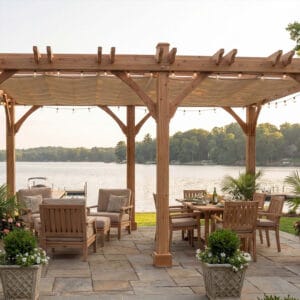
Sugi vs. Western Red Cedar

Understanding the Differences Between Two Popular Softwoods

When it comes to choosing wood for outdoor structures, interior finishing, or specialty woodworking projects, both Sugi (Japanese Cedar) and Western Red Cedar stand out for their beauty, durability, and unique performance characteristics.

While these two species share similarities—such as their resistance to rot and insects—they differ in origin, appearance, density, scent, and long-term stability. This guide provides a balanced, educational comparison to help you understand how each wood performs and when one may be preferred over the other.

What Is Sugi?

Sugi refers to the timber harvested from the Japanese cedar tree (Cryptomeria japonica), a tall evergreen conifer native to Japan. It has been used for centuries in traditional Japanese architecture, including temples, shrines, houses, and interior paneling.

Key Characteristics of Sugi

Lightweight with straight grain: Typically pale yellow to light brown, sometimes with soft reddish tones.

Naturally resistant to decay, insects, and fungi.

Fine texture and smooth appearance.

Cultural significance: The wood holds deep historical value in Japanese craftsmanship.

Used in many industries: Construction, interior paneling, furniture, and specialty woodworking.

Overall, Sugi offers a balance of durability and workability, making it valued both in Japan and internationally.

What Is Western Red Cedar?

Western Red Cedar (Thuja plicata) grows along the Pacific Northwest coast of North America, including British Columbia, Washington, and Oregon. Known for its rich color, aromatic scent, and exceptional outdoor performance, it is widely used for exterior applications.

Key Characteristics of Western Red Cedar

Warm reddish-brown tones with distinct grain patterns.

Outstanding natural resistance to rot, decay, and insects due to its high extractive content.

Low density and dimensional stability—cedar moves less with moisture changes.

Long lifespan outdoors, especially in wet or variable climates.

Strong cultural and economic value in North American woodworking traditions.

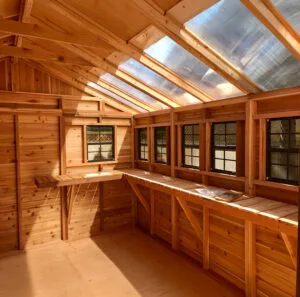
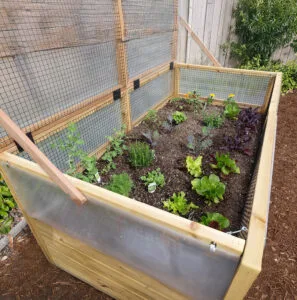
Western Red Cedar is commonly used for sheds, siding, fencing, pergolas, garden beds, greenhouses, and outdoor furniture.

Sugi vs. Western Red Cedar: A Side-by-Side Comparison

Species & Origin

Sugi: From Cryptomeria japonica, native to Japan.

Western Red Cedar: From Thuja plicata, native to the Pacific Northwest.

Both are softwoods with long histories of structural and cultural use.

Appearance

Sugi: Light yellow–brown, sometimes reddish; fine, straight grain; soft visual tone.

Western Red Cedar: Rich reddish-brown; more pronounced grain patterns; deeper, warmer aesthetic.

Which is better?Neither—this is personal preference. Cedar offers more color variation; Sugi offers a lighter, more uniform look.

Durability & Decay Resistance

Both species contain natural oils that protect against fungi, insects, and moisture.

Sugi: Naturally durable but slightly softer overall. Performs well outdoors when properly maintained.

Western Red Cedar: One of the most decay-resistant woods available. Ideal for wet, coastal, or variable climates.

Subtle advantage: 

Western Red Cedar, especially for long-term outdoor exposure.

Density & Weight

Sugi: Very lightweight (similar to pine), easy to cut and handle.

Western Red Cedar: Also lightweight, but slightly higher density than Sugi.

Real-world impact:Cedar’s density gives it better stability outdoors; Sugi’s lower density makes it easier to work with indoors.

Uses & Applications

Sugi is commonly used for: framing, flooring and interior finishing, traditional Japanese building, and furniture and small woodworking projects.

Western Red Cedar is commonly used for: outdoor structures (sheds, pergolas, fences, greenhouses), decking and siding, garden beds and outdoor furniture, trim, paneling, and architectural accents.

Subtle advantage: 

Cedar excels specifically in harsh outdoor environments.

Scent & Aromatic Qualities

Sugi: Emits a mild, sweet, pleasant scent; valued in Japanese culture for its calming aroma.

Western Red Cedar: Known for its rich, distinctive aroma—often described as fresh, warm, and naturally protective (its scent comes from oils that repel insects).
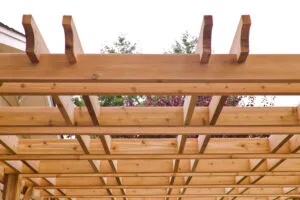
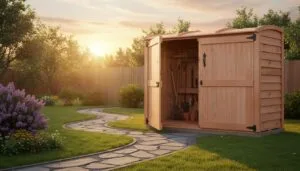
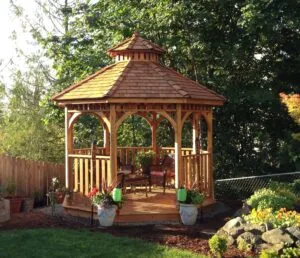
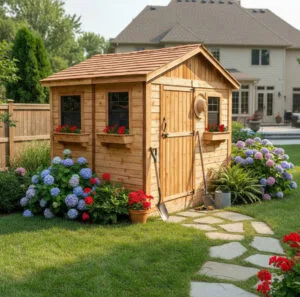
BZ1220 SS 1Oscar 63 Western Red Cedar Bike and Waste management shed Outdoor Living Today 5Western Red Cedar Bayside Gazebo Outdoor Living Todayimage6 18x8 Outdoor Living Today Western Red Cedar Garden Shed 7IMG 6674.JPEG12x12 Sunshed Garden Shed Greenhouse Shed Western Red Cedar Shed Outdoor Living Today 17pgrb63 greenhouse olt 4
Read More

8 Inspiring Ways to Design a Pergola You’ll Love!

Pergolas are one of the most versatile outdoor structures you can add to your backyard. They create defined living spaces, add architectural interest, and offer the perfect balance of openness and shade. Whether you’re designing a place to entertain, relax, or dine outdoors, the right pergola design can completely transform how you use your space.
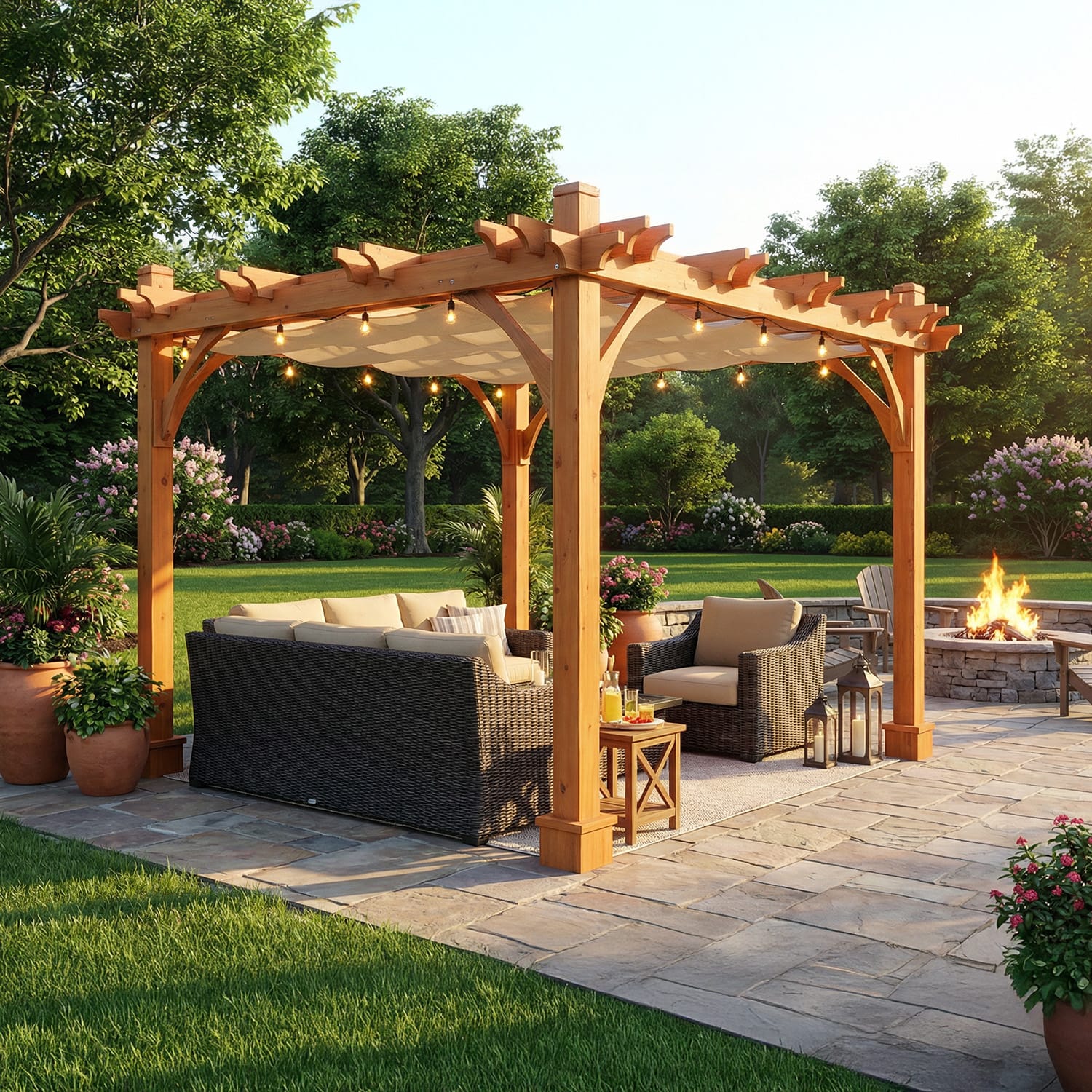
Below are eight creative pergola ideas to inspire your next outdoor upgrade — each designed to enhance comfort, style, and year-round enjoyment.


1. Rooftop Garden Pergola

A rooftop pergola creates an elevated outdoor retreat in urban or compact spaces. Positioned among planters, trees, and seasonal greenery, it offers a shaded dining or lounge area with open-air views — perfect for sunny afternoons and starlit evenings.

Design Tip: Light-coloured finishes help reflect heat, while integrated planters soften the structure and add privacy without closing the space in.

2. Patio Pergola

A patio pergola instantly defines your outdoor dining or seating area. Whether attached or freestanding, it brings structure and flow to your patio while offering partial shade and visual interest.

Design Tip: Train climbing plants like wisteria or clematis over the beams to create a natural canopy that evolves beautifully over time.

3. Bermudan-Style Pergola

Inspired by Mediterranean and island aesthetics, this pergola style creates a relaxed, resort-like atmosphere. It works beautifully for intimate seating areas or casual outdoor dining spaces.

Design Tip: Pair the structure with light fabrics, neutral cushions, and tropical or drought-tolerant plants for an easygoing, vacation feel.

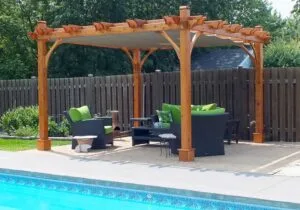
4. Poolside Pergola

A pergola beside the pool adds function and comfort while elevating the overall look of your backyard. It provides a shaded lounge area where you can relax between swims or enjoy evening gatherings.

Design Tip: Add climbing vines or outdoor curtains to soften the structure and create a breezy, resort-style enclosure.

5. Rustic Cedar Pergola

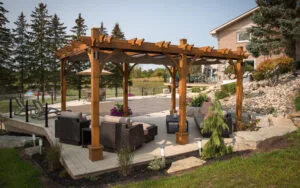
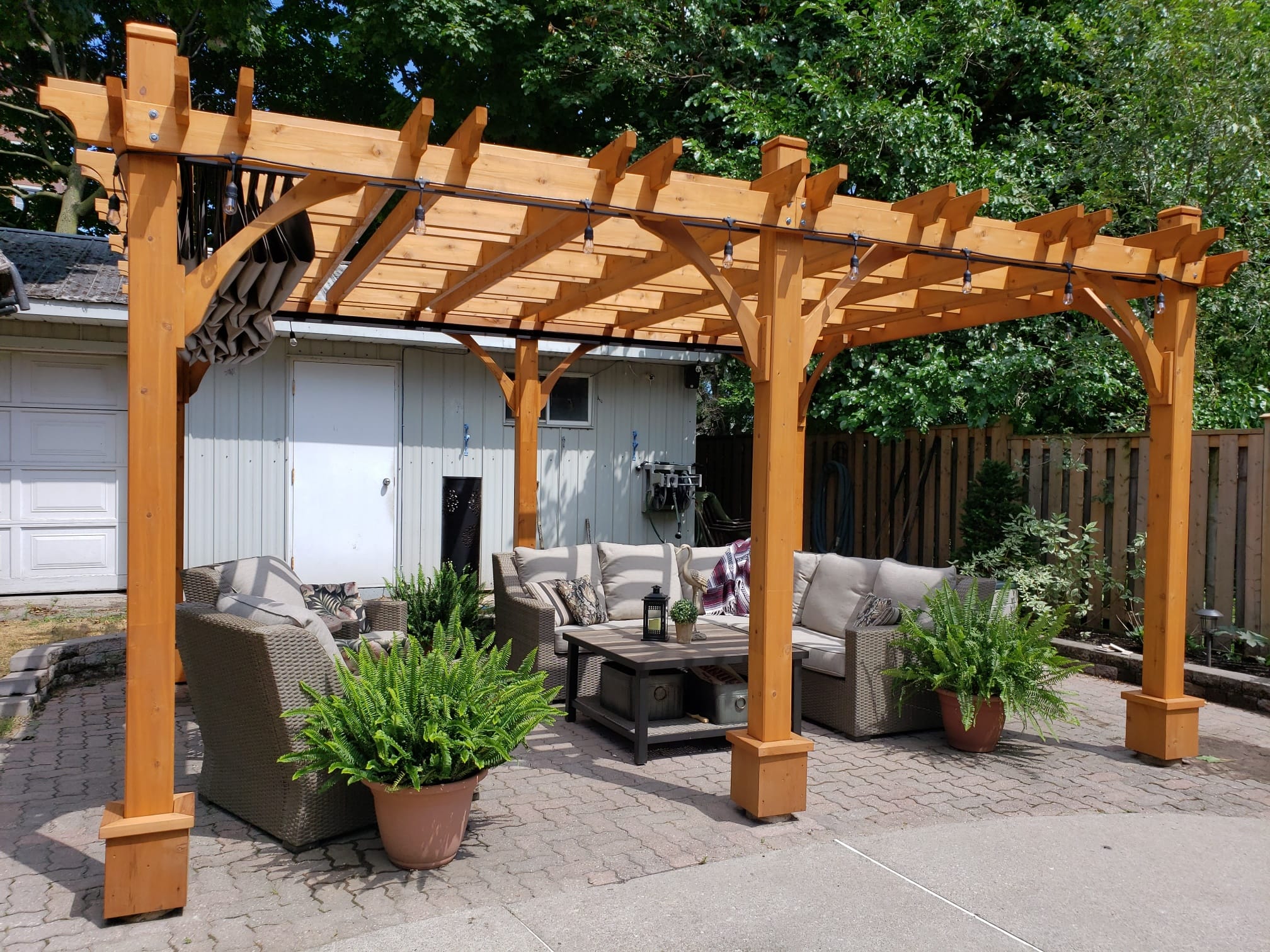
A cedar pergola brings warmth, texture, and timeless character to any outdoor space. Its natural grain and weather-resistant properties make it ideal for gardens, patios, and fire-pit seating areas.

Design Tip: Surround the pergola with layered greenery and natural stone features to enhance the rustic, organic feel.

6. Lush Patio Pergola

For homeowners who want a greater sense of enclosure, a lush pergola design creates an intimate outdoor room. Strategic post placement and lattice panels provide structure while still allowing light and airflow.

Design Tip: Use climbing vines on lattice panels to add privacy without sacrificing openness.

7. Wrought Iron Pergola

A wrought iron pergola offers strength and refined elegance. Its slim profile and decorative detailing make it ideal for classic gardens or European-inspired outdoor spaces.

Design Tip: Pair with climbing roses and woven or cane furniture to soften the metal and add visual warmth.

8. Weather-Resistant Pergola

Designed for year-round use, a weather-resistant pergola includes features like retractable canopies or fabric covers to protect against sun and rain. This option is perfect for homeowners who want maximum flexibility.

Design Tip: Add outdoor cushions, throw pillows, and a fire feature to create a comfortable, all-season gathering space.


Final Thoughts

Pergolas are incredibly adaptable structures that enhance both the function and beauty of your outdoor space. Whether you’re creating a cozy retreat, a social hub, or a garden-focused escape, the right pergola design allows you to enjoy your backyard more fully — season after season.

Looking to bring one of these ideas to life? A well-designed pergola is more than a structure — it’s an invitation to spend more time outdoors.

Read More

4 Simple Ways to Illuminate Your Pergola and Create a Cozy Outdoor Space!

A pergola instantly adds structure and character to an outdoor space, but the right lighting is what truly brings it to life after the sun goes down. Thoughtful lighting can turn your pergola into a warm gathering place for evening dinners, relaxed conversations, or quiet moments outdoors. From subtle ambient glow to functional task lighting, there are several easy ways to enhance both the look and usability of your pergola.

Below are four lighting ideas that balance style, comfort, and practicality—helping you make the most of your outdoor space day and night.


1. Built-in lighting creates a clean, seamless glow throughout your pergola

Built-in lights are a great option if you want a polished, integrated look. Small recessed or low-profile fixtures installed along beams or posts provide soft background lighting without drawing attention to the hardware itself. This approach works especially well for pergolas attached to a home, where wiring can be run discreetly and lighting can be controlled with switches or dimmers.

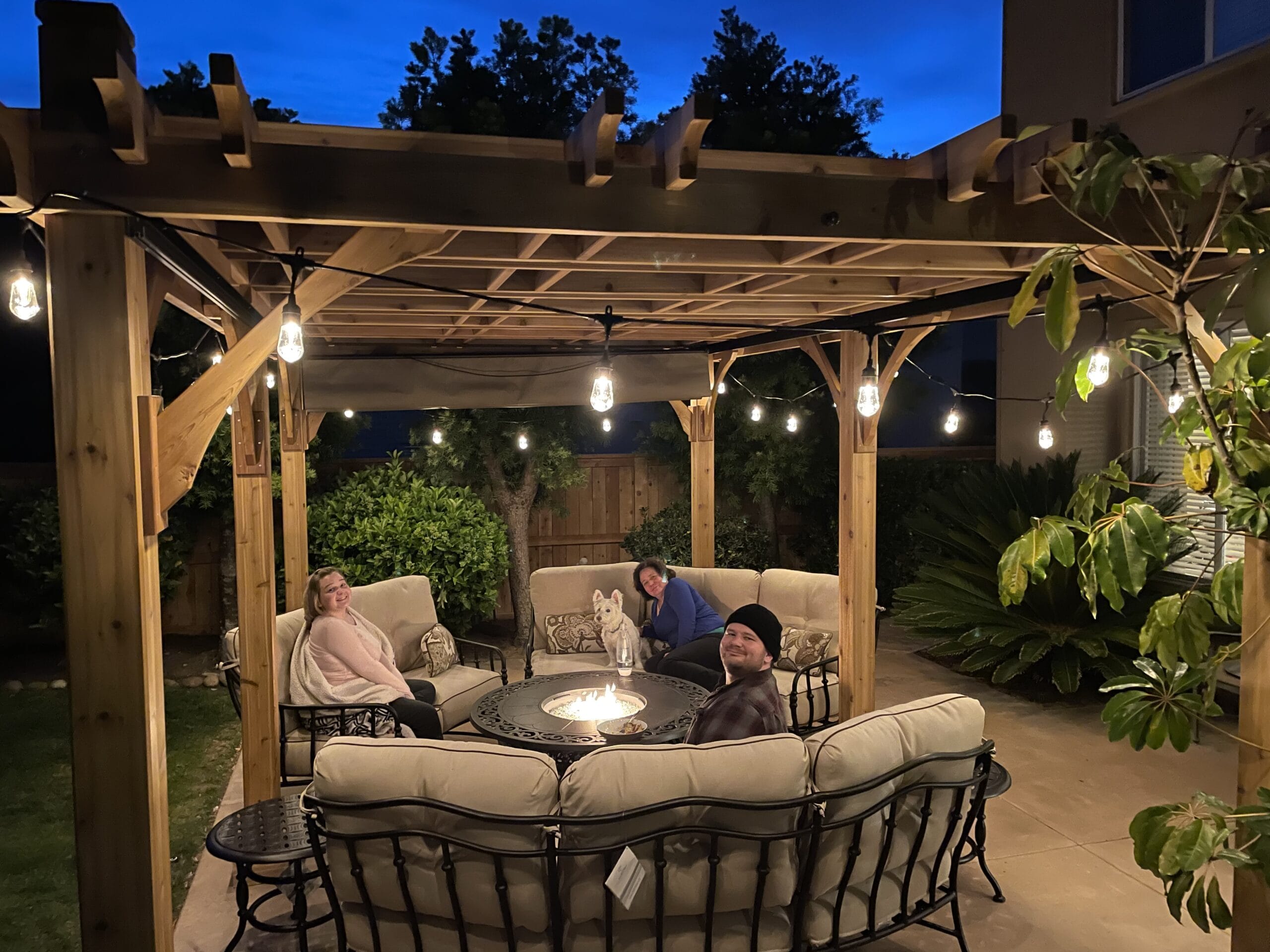
Tip: Warm-white LEDs create a more inviting atmosphere and highlight the natural beauty of cedar without overpowering the space

a light bulb in a glass container

2. String lights add warmth and character with minimal effort

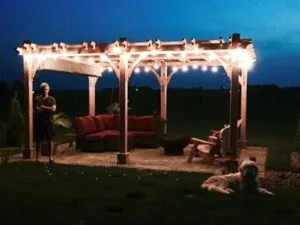
String lights are one of the easiest and most popular ways to light a pergola. Draped across beams, wrapped around posts, or zig-zagged overhead, they instantly create a cozy, welcoming feel. They’re ideal for casual entertaining and can easily be adjusted or removed depending on the season.

Tip: Use outdoor-rated LED string lights and secure them with clear hooks or zip ties to keep lines tidy and prevent sagging over time.

people gathering on concert during night time

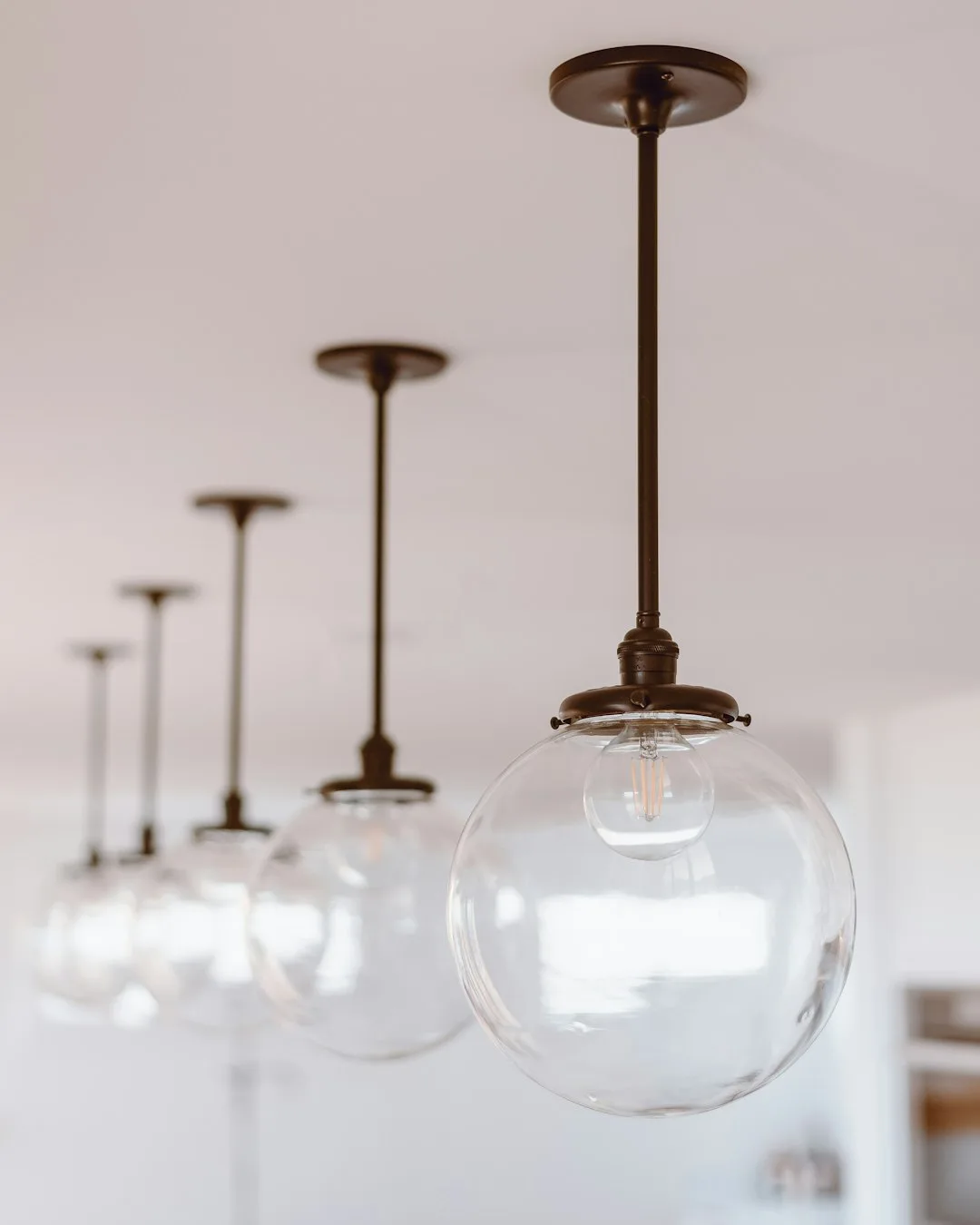
3. Hanging fixtures bring focused light and visual interest

Pendant lights or small chandeliers add a refined touch while providing practical illumination for dining or seating areas. Hanging fixtures work well when centered over a table or lounge area and can range from rustic to modern depending on the style you choose.

Tip: Choose weather-rated fixtures and hang them high enough to avoid head clearance issues while still creating an intimate glow below.

clear glass light bulb with white background

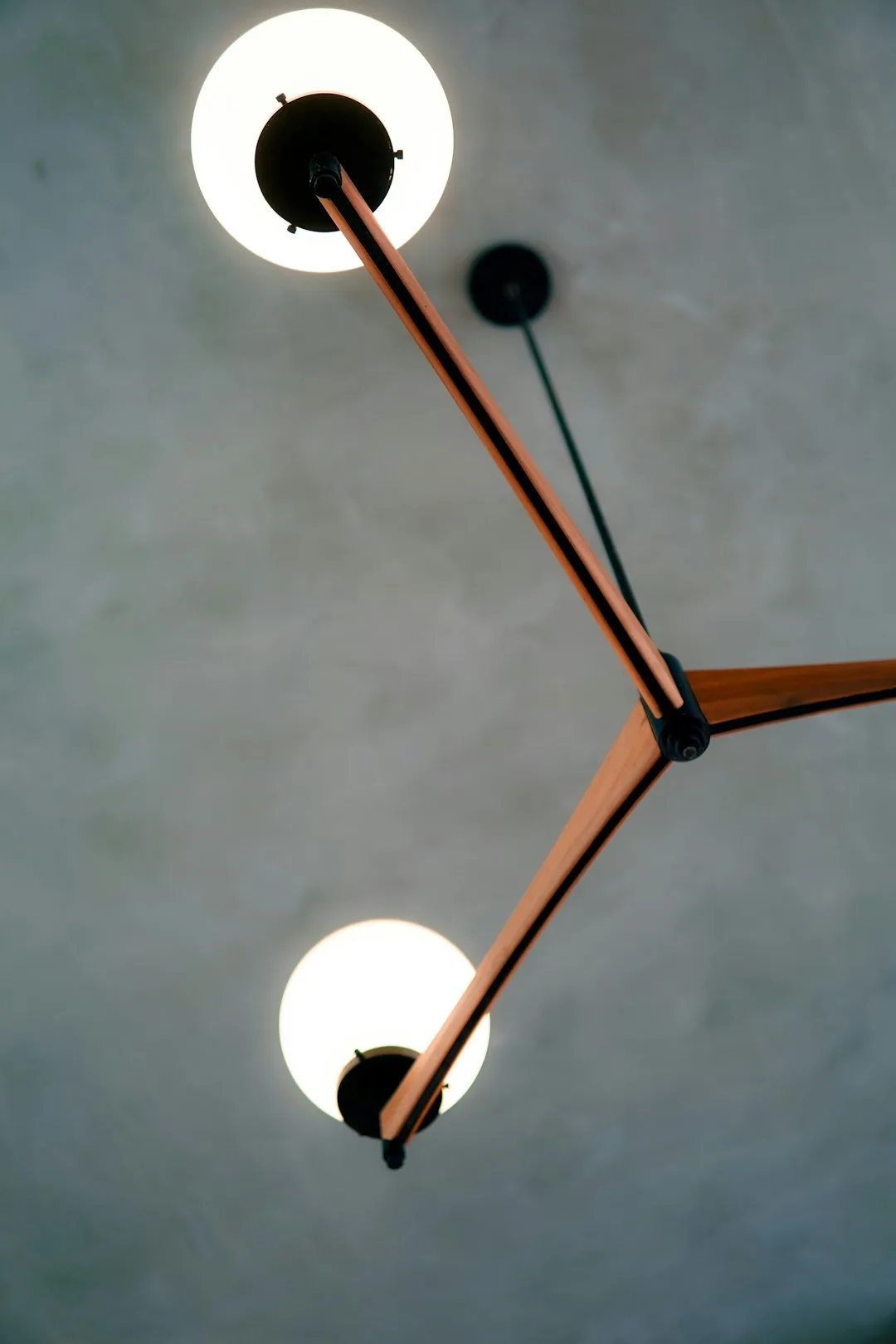
4. Mounted fixtures provide functional lighting for everyday use

Wall-mounted or post-mounted fixtures are ideal if you want dependable lighting that works year-round. These fixtures can be angled to highlight specific areas like entrances, seating zones, or walkways, making the pergola safer and more usable after dark.

Tip: Motion-sensor or dimmable options offer flexibility—bright when needed, softer when entertaining.

a couple of lights that are on a ceiling
Read More

With the right structures and features, your backyard can become a true extension of your home.

With a few thoughtful additions, you can turn an ordinary yard into a comfortable, functional outdoor living area designed for relaxation, entertaining, and everyday enjoyment. From shade structures to cozy gathering spots, these ideas help create an outdoor space that feels intentional and inviting.


What Is an Outdoor Living Space?

An outdoor living space brings indoor comfort into the outdoors. This can include features like a deck, pergola, patio, gazebo, outdoor kitchen, or screened area that allow you to spend more time outside while staying protected from the elements. These spaces make it easier to enjoy fresh air, host gatherings, and relax without leaving home.

Whether it’s shelter from a sudden rain shower or a shaded spot for summer evenings, outdoor structures help extend the usability of your backyard throughout the year.


How to Upgrade Your Space

Get a Pergola

Pergolas are a versatile and popular addition to backyard spaces. Unlike fully enclosed structures, pergolas offer partial shade while maintaining an open, airy feel. Their simple design allows them to suit a wide range of uses, from outdoor dining areas to quiet lounge spaces.

Modern pergola designs can include adjustable or solid roof options for added protection from sun and rain. When thoughtfully placed, a pergola can visually anchor your yard while creating a defined area for gathering or relaxation.

Wooden pergola with cozy seating area

Design and Placement Tips for Pergolas

Before installing a pergola, consider how it will function within your overall landscape. Think about size, orientation, and whether you want the structure attached to your home or freestanding.

Attached pergolas work well for extending indoor spaces like kitchens or living rooms, while freestanding pergolas create distinct destinations within larger yards. Placement should take sunlight, wind exposure, and sightlines into account to ensure the structure enhances both comfort and aesthetics.

Western Red Cedar Pergola OutdoorLivingToday

Add Fire to Your Backyard

Few features create atmosphere like a fire pit. Fire adds warmth, light, and a natural gathering point that encourages conversation and connection. Whether simple or elaborate, fire features help make outdoor spaces usable well into cooler evenings.

Fire pits can serve as focal points even when not in use, adding visual interest to your backyard design while creating a cozy ambiance when lit.

a fire burning in a grassy area
Read More

A gazebo can be more than just a structure in your yard. With thoughtful design choices and a few simple upgrades, it can become a welcoming outdoor space for relaxing, entertaining, and enjoying nature throughout the seasons. Whether your gazebo is newly installed or has been part of your landscape for years, there are many ways to elevate its look and make it feel intentional, inviting, and truly yours.

Below are practical and creative ideas to help you beautify your gazebo and turn it into a standout feature in your backyard.


Start by defining how you want to use your gazebo

Before adding décor or accessories, take a moment to think about how you plan to use the space. A gazebo designed for quiet relaxation may look very different from one meant for outdoor dining or hosting friends. Defining its purpose will help guide decisions around furniture, lighting, and layout.

Some gazebos serve as peaceful reading nooks, others act as shaded dining areas, and some become gathering spots for evening conversations. Once the function is clear, the rest of the design choices tend to fall into place more naturally.

Gazebos Bayside Screenkit 12ft 5 2 scaled

Choose outdoor furniture that adds comfort without clutter

Furniture plays a major role in how welcoming your gazebo feels. Select pieces that are scaled appropriately for the space and leave room to move comfortably. Overcrowding can make the gazebo feel cramped, while well-chosen furniture creates balance and flow.

Weather-resistant seating with cushions adds comfort and encourages longer use. A small table, bench seating, or even a porch swing can instantly make the gazebo feel like an extension of your home rather than a standalone structure.

Outdoor Living Today Gazebo Screen Kit

Use soft lighting to create warmth and atmosphere

Lighting can completely transform the look and feel of your gazebo, especially in the evening. Soft, warm lighting creates an inviting atmosphere and allows the space to be enjoyed after sunset.

String lights, lanterns, or subtle overhead fixtures add charm without overpowering the natural surroundings. Solar or low-voltage lighting options are practical and energy-efficient, while candles or LED lanterns can add a cozy finishing touch.

G. Fillion Bayside Cedar Gazebo 1 1024x1024 1

Add plants and greenery to blend the gazebo into its surroundings

Plants help soften the structure and make the gazebo feel more connected to the garden around it. Potted plants placed at the corners, hanging baskets, or climbing vines can all add color, texture, and life to the space.

Choose plants that complement your climate and maintenance preferences. Fragrant flowers, trailing greenery, or seasonal planters allow you to refresh the look of your gazebo throughout the year.

Grill Gazebo Western Red Cedar Side Door Shed Kit Outdoor Living Today 5

Incorporate outdoor textiles for color and personality

Outdoor fabrics are an easy way to introduce color and personality without making permanent changes. Cushions, throws, and outdoor rugs can define the space and make it feel more comfortable and lived-in.

Stick to weather-resistant materials designed for outdoor use so they hold up against sun and moisture. Neutral tones create a calm, timeless look, while patterned or colorful textiles can add visual interest and seasonal flair.

Western Red Cedar Gazebo Outdoor Living Today 6

Enhance privacy without closing off the space

If your gazebo is in an open yard or near neighboring properties, adding subtle privacy elements can make it feel more secluded while still maintaining airflow and openness.

Outdoor curtains, lattice panels, or strategically placed planters can create gentle separation without enclosing the space entirely. These elements also add depth and dimension to the gazebo’s overall design.

Outdoor grilling shelter with seating

Highlight the structure with thoughtful details

Small details can make a big difference when it comes to beautifying a gazebo. Decorative hardware, coordinated finishes, or simple accents like outdoor art and side tables can elevate the overall look.

Keep décor intentional and minimal to avoid visual clutter. A few well-chosen accents often have more impact than many small items competing for attention.

Western Red Cedar Bayside Gazebo Outdoor Living Today

Keep your gazebo looking its best with regular care

A beautiful gazebo is also a well-maintained one. Regular cleaning and basic upkeep help preserve its appearance and ensure it remains a pleasant place to spend time.

Clear away debris, check for wear, and address small issues before they become larger problems. Consistent care allows your gazebo to age gracefully and remain a focal point in your backyard for years to come.

M. Falcone Gazebo Bayside 10 Outdoor Living Today scaled 1 801x1024 1

Create a space you’ll enjoy season after season

Beautifying your gazebo is about creating a space that feels comfortable, functional, and reflective of how you live outdoors. With thoughtful furniture choices, soft lighting, natural elements, and a few personal touches, your gazebo can become a true backyard retreat.

Whether you use it for quiet moments alone or lively gatherings with family and friends, a well-designed gazebo adds lasting value to your outdoor space and invites you to spend more time enjoying it.

jhaufler OLT Gazebo Dec 2018 1024x683 1
Read More

How a well-designed outdoor structure adds comfort, character, and long-term resale appeal.

Outdoor living spaces are no longer considered a bonus — they are an extension of the home. Homeowners are investing more intentionally in their yards, creating defined areas for relaxing, entertaining, and spending time outdoors. A pergola is one of the most versatile ways to achieve this, offering structure without closing off the space.

Below are ten value-driven reasons why a pergola continues to be one of the most popular outdoor upgrades.


14x16 Cedar Pergola Outdoor Living Today Western Red Cedar Pergola.jpg

Top 10 Reasons

Not every pergola or gazebo automatically increases value. The details matter. When you plan your project, keep these factors in mind.

1. Creates a Defined Outdoor Room

A pergola gives your backyard a clear sense of purpose. Whether placed over a dining table, lounge seating, or outdoor kitchen, it visually frames the space and makes it feel intentional rather than open-ended.

Defined outdoor rooms help homeowners — and future buyers — imagine how the space is meant to be used.

2. Adds Comfort Without Closing You In

Pergolas offer shade and partial shelter while still feeling open and airy. Unlike fully enclosed structures, they provide relief from direct sun while allowing light and airflow to pass through.

This balance makes outdoor areas more comfortable without sacrificing the feeling of being outside.

3. Extends How Often You Use Your Yard

With added shade and structure, outdoor spaces become usable for more hours of the day and across more seasons. A pergola helps reduce heat during summer afternoons and can offer light rain protection depending on the roof or canopy design.

This means more meals outdoors, more evenings spent outside, and more value from your space overall.

4. Enhances Privacy in a Natural Way

Pergolas make it easy to add privacy without building solid walls. Lattice panels, privacy screens, curtains, or climbing plants can soften sightlines while maintaining an open, inviting look.

This flexibility allows you to tailor privacy based on placement and personal preference.

5. Creates New Opportunities for Greenery

Pergolas are ideal for vertical gardening. Vines, hanging planters, and climbing plants can grow upward, adding texture, shade, and natural beauty.

This added greenery enhances the atmosphere while maximizing planting space, especially in smaller yards.

6. Increases Visual Appeal and Curb Value

A well-designed pergola instantly elevates the look of a backyard. It adds architectural interest and creates a focal point that makes the space feel finished and thoughtfully designed.

From a resale perspective, this visual upgrade can positively influence first impressions and perceived home value.

7. Works Seamlessly With Other Outdoor Structures

Pergolas pair well with decks, patios, gazebos, sheds, and outdoor kitchens. They can act as a transition between spaces or connect multiple areas into one cohesive layout.

This versatility makes them easy to integrate into existing landscapes or future plans.

8. Offers Flexible Design and Material Options

Pergolas can be built in a range of sizes, styles, and materials to suit different homes and climates. Wood options like Western Red Cedar provide warmth and natural resistance to rot and insects, while metal or aluminum options offer a modern, low-maintenance look.

This flexibility ensures the structure complements both the home’s architecture and the homeowner’s lifestyle.

9. Can Be Installed Efficiently

Many pergolas are available as ready-to-assemble kits with pre-cut components and detailed instructions. This makes installation more approachable for DIY homeowners while still allowing for professional installation when preferred.

Either option offers a relatively quick transformation compared to larger outdoor projects.

10. Creates a Space Meant for Gathering

At its core, a pergola is about bringing people together. It provides a natural gathering point for meals, conversations, celebrations, or quiet moments outdoors.

By making the yard more inviting and functional, a pergola encourages more time spent outside with family and friends.

Read More
restoring a pergola A gazebo or pergola in a backyard is undoubtedly a prized possession for many. All it takes is a bit of care and maintenance to help keep a pergola in top shape for a long time. If you are looking for ways to maintain or restore a pergola and keep it in astounding shape for years to come, here are a few basic tips that can help.

Maintaining a Pergola

Traditionally, pergolas are built from cedar wood which is strong and can last for many years. However, being outdoor structures, the wind, sun and rain can take its toll on a pergola. And since we have no way to control the elements, taking care of and maintaining your pergola would be the only way to keep its appearance and increase its longevity.

How to Clean a Pergola

The treated wood of almost all types of wooden pergolas can be cleaned with the same products that are used to clean the porch or deck of a house. It would be prudent to refrain from using power washers on wooden pergolas since that can damage the wood. Vinyl coated pergolas are almost maintenance free. However, in case they do require cleaning, use mild soap and water.

How to Apply a Waterproof Sealer to a Wodden Pergola

Wooden pergolas are made of durable treated wood like cedar or pine. Red cedar for example, contains natural oils that prevent insect infestation and natural decay, and simultaneously helps retain the external shine and texture of the wood. The natural color of a pergola can be improved and preserved by coating the wood with a waterproof sealer―a transparent varnish that improves weather resistance. As wood ages it changes color, acquiring a more rustic look with the passage of time. When applying the sealant, consider the amount of weathering needed. It is recommended that the sealant be applied every two or four years to maintain a fresh look. how to apply waterproof sealant

How to Choose a Sealant

For detailed information about weathering ask the pergola dealer for details about the wood and how its color could possibly change with weathering. Ensure that the wood is coated with sealant to prevent even the slightest damage including warps and cracks. Sealants are available in many different brands so a dealer would be the best person to get advice on brands that will best suit a particular pergola and help keep it in pristine condition.

How to Apply Acrylic Paint to a Pergola

When it comes to selecting the type of paint for a pergola, acrylic paint is the best as it is weather resistant and lasting. The best time to apply the oil based paint is during the driest seasons when the humidity is very low. Painting at this time will ensure that while the paint dries quickly, water particles do not become trapped inside the dried paint making it brittle over time.

Restoring an Old Pergola

Cleaning a pergola that is unkempt would take a bit of work. However, working step by step it is possible to almost restore an old pergola back to its original condition.

How to Remove Dirt and Old Paint from a Pergola

First use a bristle brush to knock out all the dry dirt and cracked paint from the pergola. Since most pergolas are made of wood make sure not to scrub too much since that may damage the natural texture of the wood. Make sure that the wood is smoothed down by removing loose splinters. Use a very light sander to even out the wood. This ought to be done slowly since over sanding the wood may damage the surface with ugly scratches.

How to Remove Mildew and Stains

Check for mildew and stains, which must be taken care of immediately. Mildew can wreck a pergolas appearance. Mildew can be removed using a mild solution of bleach and water. Corroded fasteners like bolts and screws can stain the surface of the pergola making the wood look detestable. Wash the stains and replace the fasteners if possible. After removing the stains to the best extent possible, clear the pergola of dirt with the help of a brush. Remove the debris which is likely to collect near the grooves in the wooden planks. how to restore a pergola

How to Wash a Pergola

The next step is to use a hose and rinse the surface with a mixture of water and bleach. Use a mild soap to further clean the area if required. Once the pergola is clean, make sure that it is completely dry before you go ahead with a paint job.

How to Apply Acrylic Paint and Water Sealant

A couple of coats of oil based acrylic paint followed by a water sealant will have the pergola shining. For the most part, your restoration project is sure to pay off with your pergola looking as terrific as new. Keep up the fine work and periodically take time to check the pergola for wear and tear, structural damage, insect infestation, and cracking paint. Fix the problems immediately to prevent further damage. With proper maintenance, a pergola will remain a prized possession in your backyard for years to come.
Read More
how to clean and maintain a pergola From structure to shade, from utility to oomph factor, a pergola is a golden way to add beauty and character to your garden. While some pergolas may be more decorative than functional, they make your outdoor room cozy and inviting. However, like the flowering buds in your garden, your pergola too needs upkeep and maintenance. If you clean and maintain a pergola, it will give you years of shade and comfort. Most pergolas are open structures that come with retractable canopies, some of them have pretty climbing vines overtop. These multifunctional structures can even serve as a roof for your walkway or porch.

Pergola Cleaning and Maintenance Tips

When you clean and maintain a pergola, you not just take care of its outwardly appearance but also increase its lifespan. It is therefore prudent to know how to care for your pergola especially since they can be made from different materials like wood, vinyl, metal and even plastic.

How to Clean a Pergola

It is prudent that you regularly hose your pergola. Use a high pressure water hose that will help eliminate dirt and grime easily. The high pressure will easily dislodge any dirt that may be clinging to the surface. The pressure of the hose can be easily adjusted depending on the material that your pergola is made of. Remove all furniture lying around your pergola before you start hosing it down. Begin hosing in a downward direction – just like you wash a car or anything pretty much – start at the top and work down.

Detergents and Cleansers for Pergolas

If you are unsure about what detergent or cleanser you should use to clean your pergola, simply buy a pergola cleaning kit. The kit will contain everything from a cleanser to brushes of different sizes. Use a cleanser that can be applied using a brush with bristles that are tough enough to get the grime off! You may also use an old toothbrush to get stubborn stains off. If you spot splinters of wood or paint that seem to be peeling off, gently remove them. If your pergola is made of metal or vinyl, first use a bristle brush to remove all the rust that may be clinging to the surface. Most vinyl material will react well to regular cleansers, and hence you will not need to invest in an expensive can. pergola cleaning and maintenance tips

How to Remove Stains and Mildew from Your Pergola

Mildew, mold, and stains can make your pergola look old and unkempt. Certain fasteners used on the pergola could also contribute to the staining. If your pergola has corrosive fasteners, they will leave black or brown spots on your wood. Regular clean ups will ensure that these stains are tackled and your pergola looks elegant all through the year. To remove stains and mildew, mix a cup of vinegar, oxygen bleach with a gallon of plain water and apply it on the stains soon after hosing down your pergola. Leave it on for a few minutes and use a brush to gently rub the stains off. Once you see the stains begin to lighten, apply some soap and wash off the solution using a hose.

Taking Care of Cuts and Dings on Your Pergola

Soon after rinsing your pergola clean, look out for cuts and dings. Apply wood or metal putty to refinish the area. You can also use a touch up kit to repaint the damaged areas. Most vinyl pergolas come with repair kits that are designed to help you take care of minor damages. These DIY kits have detailed instructions that are easy to follow! If you find stains forming due to the fasteners on your pergola, replace them right away. Pick stainless steel or aluminum fasteners that do not react with the material of your pergola. These fasteners are slightly more expensive than their cheaper counterparts, but will keep stains at bay. This will keep your pergola clean and nice. It also will lessen the burden of maintenance. As a part of regular maintenance, make sure you tighten all the fasteners. Do not put away any repairs and replace damaged parts immediately. This will ensure your pergola remains fresh and clean for years to come. prevent heat damage on pergola

How to Prevent Heat Damage on Your Pergola

If you live in a place that has relentlessly hot weather, the heat can take a toll on your pergolas too. The best way to remedy this is to repaint your pergola with a heat resistant paint that will not just enhance the beauty and uniformity of the structure but also prolong its life span.

Keeping Mother Nature in Check

Creepers accentuate your pergola and a touch of green does wonders to the ambience, making it livelier. However, when these vines grow and thicken, they add to the weight on your pergola. While most pergolas are designed to tolerate weight, it is advisable that you keep trimming them once in 3 to 4 months. This will help keep the frame sturdy and keep your vines look groomed and glorious.
Read More
pergola designs A garden or backyard can be magically transformed in to a stylized living space with a pergola that matches your personality. If you you are looking for pergola designs that won’t break the bank here are some budget friendly pergola design ideas to do just that. In the end you should have a personalized pergola that is unique and can be proudly shown off to both friends and family. For the most part, a pergola is a living space constructed on four lengths of timber known as joists. They are usually made from cedar wood and can have trellis made from a variety of materials. The roof of the pergola is a wooden grid that is traditionally open to the skies.

Add some pergola decorations

Now that you have taken care of seating, it time to add stuff that will make people notice the pergola. Pergola decorations like vines and flowers can add color and form to the pergola. It would be prudent to add a trellis that will allow vines to lattice one or two sides of the pergola, making it look elegant.

A quiet nook

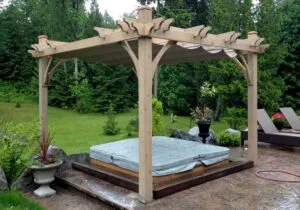
Your pergola can be made into a quiet nook by placing suitable patio style furniture. A center table along with some patio seating such as benches and hammocks can transform an ordinary pergola into an impressive one. You can also place your hot tub under the pergola and make it a relaxing hot tub pergola. hot tub pergola

Paint the pergola

Most often, pergolas come without any paint on the surface of the cedar wood, which could make it look dull over a period of time. You can paint the pergola to brighten it. Choose a color that matches the patio furniture inside the pergola. Make sure to use acrylic paint that will endure the seasons and not damage the vines.

Add flowering plants to the pergola

Spring and summer are a terrific time to spend on your gazebo. Make some patches around the gazebo and fill it up with flowering plants. This will transform the gazebo into a very special place once the flowers bloom. If you are a gardening enthusiast, try landscaping the area around it and the sides of the path leading to it. If you are not sure of the type of flowers to plant, visit your local nursery and ask for a list of suitable varieties conducive to the climate. During the festive season appropriate decorations can be added to match the festivities.

Wedding pergola designs

If you are planning a wedding ceremony a pergola can be transformed in to a beautiful wedding pergola for the bride and groom with just a few personal touches. Use leftover roles of colorful vinyl and paper ribbons along with painted plastic flowers to decorate the place. You can place vases of fresh cut flowers inside. Use your imagination to convert the pergola and make the day even more special for the newly weds. Wedding pergola designs

Pergolas for all the year round

A pergola can be an enjoyable and individualized living space for use all the year round. You can use it to enjoy a couple of meals with the family in an outdoor environment. If you live in a location where it rains often, add a roof to the pergola to prevent the vagaries of the weather from interrupting its use.

Pergolas with swings

A pergola with a swing can truly transform your outdoor garden setting into a fun filled space. A lot of pergolas are built with a roof and lattice with a swing to accommodate two. Those who do not have sufficient space or do not want to give their yard a crowded look and yet have some fun can always choose a smaller pergola swing.

Pergola with hanging seats

Some pergolas come with hanging chairs instead of regular stationary seating. Hanging seats in the pergola add an element of fun to the living space making them more attractive and enjoyable. These chairs are fixed to the rafters, so make sure that they are positioned well for you to enjoy views of the sunset or even the landscape around your home and beyond.

More pergola designs

It is true that most people who are compelled to stay indoors for a greater part of their lives enjoy the thought of spending some time outdoors. Remember, the outdoors could be your very own backyard with a pergola that is personalized to add a special touch to your surroundings. There are so many interesting pergola designs that will personalize your pergola without spending too much. Make a plan to decorate your pergola in a way that it blends with the rest of your décor. Pillows, tables, seating and lots of potted plants all around the pergola can truly transform it into a comfort zone that can be enjoyed all year round.
Read More
Backyard pergola Backyard pergolas owe their existence to the ancient Egyptians, who used to use them to escape from the heat while walking from one building to the next. They also used these beautiful outdoor structures to grow vines and other climbing plants. Today, thanks to advancements in construction technology and materials, a backyard pergola not only adds beauty to your garden, it also functions as a place to relax and enjoy some leisure time with your loved ones.

Why a Pergola?

You may wonder why introduce an architectural structure that has no walls to speak of or a solid roof to protect you from the sun, rain, or snow to your property anyhow? That is precisely the beauty of a backyard pergola. The lack of solid roof and walls helps a pergola define your outdoor space without restriction or constraints. The unique architectural feature allows you to be inside and outside at the same time and can add life to the landscape of your garden. You can use a pergola to frame a unique focal point in the garden or define a pathway in your garden. And, if you add a climbing plant to the structure, you will enjoy color as well as shade. pergola kit

Backyard Pergola – What are the Benefits?

If you are still skeptical about installing a pergola in your backyard, here are some wonderful advantages you will enjoy if you do so.
  • Maximize the View: Remember a backyard pergola doesn’t have walls and hence, you get an unobstructed (well, somewhat obstructed, right?) view of your lush garden and flowering plants. You can situate the structure where the view is the most beautiful, so that you can enjoy the serenity and beauty while relaxing under your pergola.
  • Stay Cool in the Summer: While you can sit in the patio and enjoy the sun, sometimes the heat can be unbearable, driving you indoors. With a backyard pergola, you can stay cool and still spend time outdoors. First, the breeze will flow freely through your backyard pergola as there is nothing to block it and you can block most of the rays of the sun by installing a slat roof. That way, even when the temperature outdoors is soaring, you stay cool and use the space for all types of fun activities, such as outdoor dining, reading a book while listening to music or sitting in your inflatable swimming pool and sipping a margarita!
  • Create Some Privacy: Even though pergolas have an open-structure construction, by adding accessories to them, you can create a privacy screen that blocks out unattractive views and ensures you get the privacy you want when spending time in your backyard.
  • Choose your Pergola Design and Style: Today, backyard pergolas can be made from a variety of materials and in different sizes and shapes. If you want to add some flair to your outdoor living space, pergolas are perfect. With modern and traditional designs, you can create the outdoor ambience you see to set your garden apart and make it look elegant without too much effort.
  • Boost the Resale Value of Your Property: It may sound clichéd but many people end up buying homes with backyard pergolas. It makes your garden more functional and aesthetically pleasing. So, in the future if you decide to sell your property, the pergola you install today will help you ask for a higher price compared to similar properties in the neighborhood.

Common Pergola Materials

Wood Pergolas

Previously, wood used to be the only material used to make a pergola. While wood looks gorgeous and blends with the natural surroundings of a garden seamlessly, there are other materials that are slowly catching on.

Cedar Pergolas

Cedar is one of the most preferable woods for making a pergola since it is naturally resistant to rot and decay. Also, the soothing aroma of the wood can be relaxing and therapeutic after a stressful day at work. However, most homeowners love pergolas made from redwood. This wood looks fantastic and is strong and durable. Of course, it is an expensive choice, but the durability makes it a worthwhile investment.

Metal Pergolas

Metals, such as aluminum, wrought iron and steel, are also quite popular. Bear in mind, regardless of the metal you purchase, the color invariably will be black. But don’t worry. Black pergolas are awesome and tend to be eye-catching. If you are looking for an affordable metal pergola, go with aluminum, since it is lightweight and more affordable than other metals. Wrought iron is the metal of choice for upscale gardens and neighborhoods.

Vinyl Pergolas

In recent times, even vinyl is used to make pergolas. It is a cheaper alternative to wood and hardly requires any maintenance. You never have to worry about rot or cracking as well.

Pergola Kits Make the Job Easy

cedar pergola kit You don’t have to go through the rigmarole of buying wood and building a pergola. You can easily invest in a pergola kit. Don’t worry, you can get stunning designs, numerous sizes, and in any material you wish. Furthermore, you can easily install the pergola yourself. Pergola kits come with all the necessary hardware and instructions. The installation does require two people, but it can be done in a few hours. With so many benefits of a pergola, it is hard not to install one. So, add a pergola to your garden to maximize the usage of your outdoor living space and make your garden more attractive and versatile. You just can’t go wrong with a wonderful pergola.
Read More