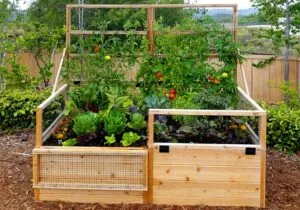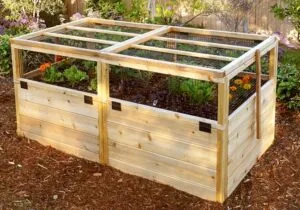
How to Prepare Your Yard for the Seasons: A Complete Homeowner’s Guide

Preparing your yard for a new season—especially after months of harsh weather—sets the foundation for healthy grass, thriving plants, and an outdoor space that looks polished year-round. Whether you're getting ready for spring growth, fall clean-up, or general maintenance, a well-structured plan helps keep your landscape in great shape.

This updated guide walks you through simple, practical steps to prep your yard site, maintain your lawn, and create an outdoor space that stays beautiful in every season.


1. Start With a Landscape Plan

Before you grab tools or start cleaning, think about how you want your yard to look and function.

Having a landscape plan helps you:

  1. Understand your lawn’s needs
  2. Design around sunlight, shade, and drainage
  3. Avoid planting or building in poor locations
  4. Create a cohesive, polished look

If you’re unsure where to begin, consider consulting a landscape designer. A little planning now saves hours of frustration later.


2. Clean Up a Little (Then a Lot)

Winter storms, wind, and rain leave behind leaves, branches, and debris. Start with a simple cleanup session:

  1. Remove dead leaves and fallen branches
  2. Clear out debris under shrubs and trees
  3. Rake leftover thatch from the lawn
  4. Sweep pathways and hard surfaces

This first step immediately makes your yard look fresher and prepares it for deeper maintenance.
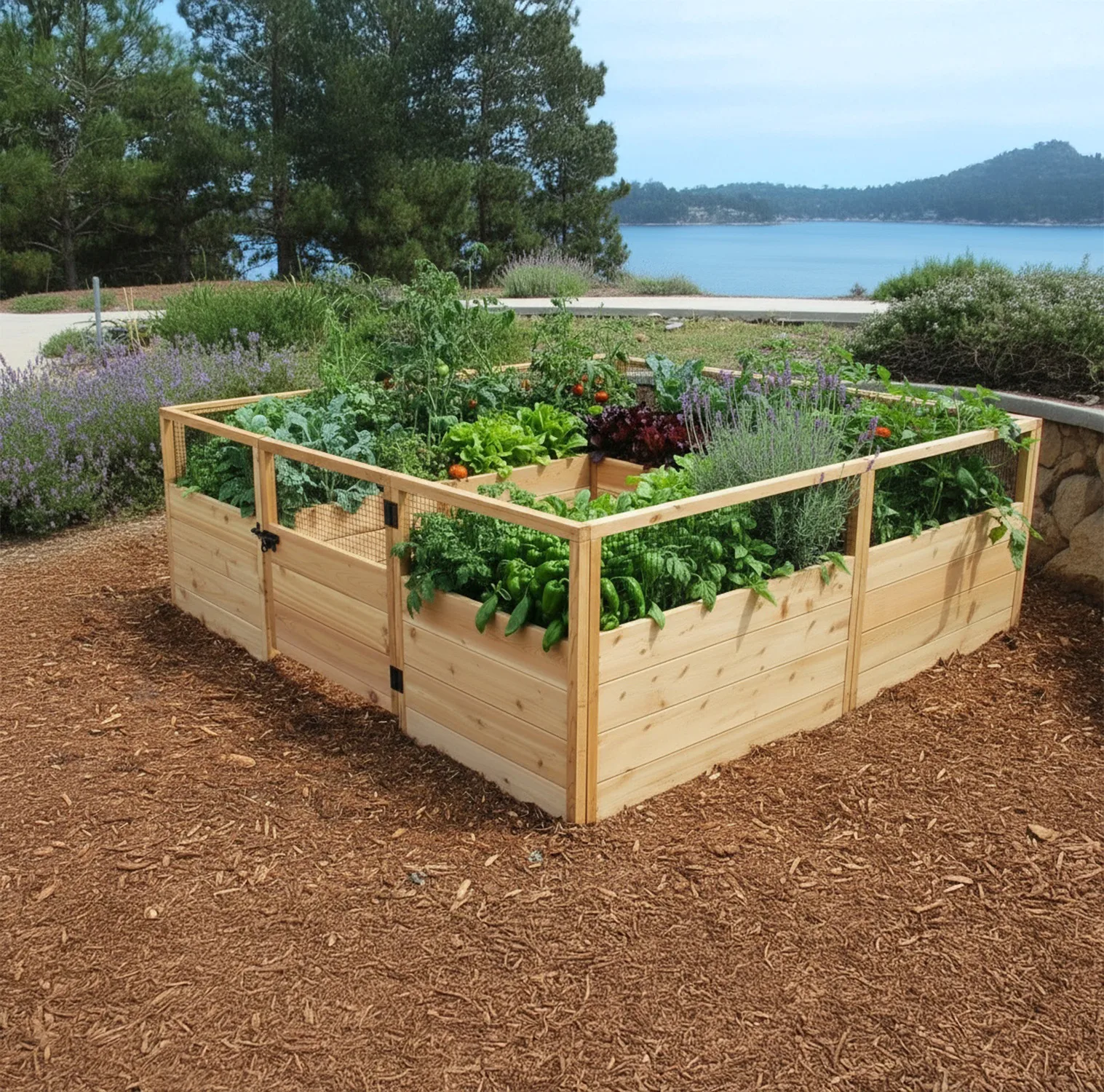
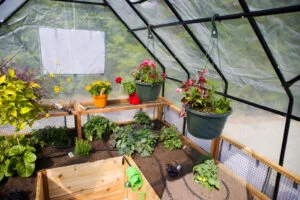
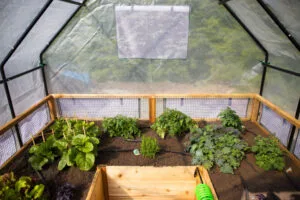
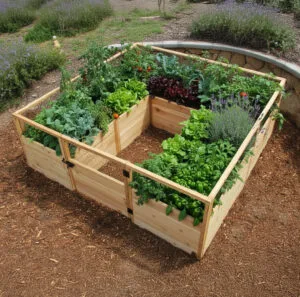
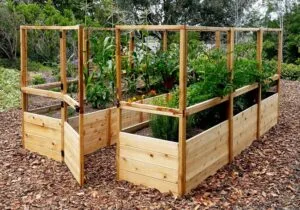
Raised Garden bed 8x8 western red cedar outdoor living today 2.jpg


3. Prepare the Soil

HEALTHY SOIL = HEALTHY LAWN

Once the surface is clear, prep your soil with seasonal nutrients:

  1. Apply fertilizer (choose one for your specific region/grass)
  2. Use a pre-emergent in early spring to prevent weeds
  3. Add compost or organic matter to restore nutrient balance
  4. Break up compacted areas with a tiller if needed

If you're planning new planting beds, raised beds, or edging, now is the time to shape the ground.


4. Mow Early and Consistently

One of the biggest mistakes homeowners make is waiting too long to mow in spring.

Mowing early and regularly:

  1. Encourages thicker, healthier grass
  2. Keeps roots strong
  3. Prevents weed takeover
  4. Sets the lawn up for lush summer growth

Aim to mow once every 4–5 days during peak spring growth.


5. Mulch It Too

Mulching is essential for moisture retention and healthy soil structure.

Choose quality mulch such as hardwood bark mulch, natural cedar mulch, and undyed wood chips.


Benefits:

  1. Helps regulate soil temperature
  2. Prevents weed growth
  3. Improves curb appeal instantly
  4. Keeps shrubs and perennials protected

6. Give Trees & Shrubs a Trim

Overgrown or dead branches can harm your lawn and your structures.

Trim:

  1. Dead or diseased branches
  2. Overgrown shrubs
  3. Limbs rubbing against your shed or fencing

Do this in early spring before plants start pushing out new growth.


7. Wait Until Fall to Seed (Depending on Region)

If you're fighting weeds or using pre-emergent, your grass seeds won’t germinate in spring. That’s why reseeding or overseeding is best saved for fall.

Fall conditions:

  1. Cooler temperatures
  2. Consistent moisture
  3. Fewer weeds
  4. Better root establishment


8. Additional Tips for a Yard That Stays Healthy

These small habits go a long way:

  1. Routine cleanup every few weeks
  2. Break new lawn ground with a tiller
  3. Build raised beds for vegetables and flowers
  4. Add small landscape berms for drainage
  5. Plant rabbit-resistant grass or groundcover if needed

Keeping up with maintenance prevents big seasonal overhauls later.


Looking for a quick visual guide?

This short video walks through practical steps for cleaning up your yard, prepping soil, and setting the stage for healthy growth.



Read More

4 Ways to Make Your Gazebo Warm, Inviting, and Beautiful at Night!

Outdoor lighting can completely transform a gazebo. With the right setup, your structure becomes a cozy gathering space for evening dinners, late-night conversations, or ambient backyard relaxation. The best part is that many lighting ideas do not require an electrician and can be done with simple, affordable materials.

Below are four creative gazebo lighting ideas that enhance style, improve safety, and add atmosphere to your outdoor space.


1. Fairy Lights

Fairy lights are one of the most popular lighting choices for gazebos because they are easy to install and create an instant warm glow. Wrap them around posts and railings or drape strands across the roofline for a soft, inviting look. You can also extend the lights to nearby trees for added effect.

While traditional incandescent lights work, LED fairy lights are a better option. They stay cool to the touch, use less energy, and last for years even when left on for long periods.

DIY Tip:
Use small adhesive hooks or clear zip ties to secure the lights neatly around posts and railing. This keeps the strands tight, clean-looking, and prevents them from sagging over time.

string lights on blue textile

2. Chandeliers and Pendant Lights

A chandelier inside a cedar gazebo adds unexpected elegance. Homeowners often choose brass fixtures, frosted glass pendants, rustic wooden chandeliers, or repurposed statement pieces for a unique touch.

You can match wall sconces to your main fixture for a cohesive look. Pendant lights made of hammered glass, woven fibers, or paper shades also work beautifully for outdoor settings.

DIY Tip:
If you don’t want to hard-wire a fixture, choose a lightweight battery-operated chandelier. Hang it using a sturdy ceiling hook, and swap in rechargeable batteries to keep it glowing all season.

turn-on ceiling lamp

3. LED Ribbon or Tape Lights

LED tape lights create sleek lines of illumination. These adhesive ribbons can be installed along handrails, under roof edges, or around bench seating. They provide consistent, low-heat, energy-efficient lighting and come in many colors.

Tape lights are flexible and can be cut to fit, although trimming should always follow manufacturer instructions to avoid damage.

DIY Tip:
Before installing, clean the wood surface with a dry cloth so the adhesive sticks properly. Map out your lighting path with painter’s tape first to ensure even spacing and a straight line.

a black room with a white light coming from the ceiling

4. Sparkle Balls

Sparkle balls are a fun, family-friendly project. They are typically made from clear plastic cups and LED mini lights. By stapling the cups into rounded shapes and threading lights through the openings, you can create glowing orbs that hang beautifully from the gazebo ceiling.

Use white lights for a clean aesthetic or colored lights for a festive feel. Sparkle balls make excellent decor for holidays, outdoor parties, and summer evenings.

DIY Tip:
Use a hole punch or soldering iron to create small, even holes in the plastic cups. This makes threading the lights easier and helps the sparkle ball glow more evenly once assembled.

A chandelier hanging from a ceiling in a room

Read More

Preparing your yard in the fall sets the foundation for healthier plants, fewer pests, and a smoother start to spring.

Here are six high-impact cleanup steps every homeowner should focus on — each with a practical tip to make the job easier.


1. Clear Out Debris & Spent Plants

Remove fallen leaves, weeds, and leftover annuals to prevent pests and fungal issues from settling in over winter.
Tip: Focus on areas under shrubs and around structures — these spots collect moisture and attract critters first.


2. Refresh Garden Beds with Soil Amendments

Fall is the ideal time to add compost, mulch, or organic fertilizer. Warm soil allows nutrients to break down and enrich garden beds through winter.
Tip: Amending soil in fall reduces your spring workload and boosts early plant growth.


3. Trim Trees & Shrubs Before Snow Arrives

Prune damaged or overgrown branches so they don’t snap under winter load. This protects both your landscaping and nearby structures.
Tip: When cutting back shrubs, remove any crossing branches to promote healthier spring regrowth.


4. Protect Sensitive Plants from Frost

Wrap vulnerable shrubs, roses, and young trees with burlap or frost cloth. Add mulch around the base to insulate the roots.
Tip: Use breathable materials — plastic traps moisture and can damage plants during freeze-thaw cycles.


5. Aerate & Feed Your Lawn

Aeration opens compacted soil, helping water and nutrients reach the roots. Follow with a high-phosphorus fall fertilizer to strengthen turf before winter.
Tip: Aerate when the soil is slightly moist — it makes the job easier and creates cleaner plugs.


6. Clean & Store Tools, Equipment, and Outdoor Items

Drain hoses, clean garden tools, and store equipment in a dry space like a shed to prevent rust and freeze damage.
Tip: Lightly oil metal tools before storing — it prevents corrosion and saves time in spring.

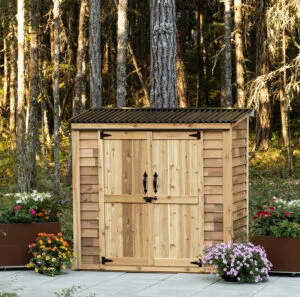
12x16 Space Master Double Door Barn Shed Western Red Cedar Shed Outdoor Living Today 2.jpg
Read More

Transform your outdoor space with simple, stunning water features you can build or install yourself.

The soothing sound of running water can completely change the atmosphere of your outdoor space. Whether you want a peaceful corner to unwind, a focal point for your garden, or a DIY project that adds charm and movement, water features are an easy way to elevate any backyard.

Below are 10 creative water feature ideas—from simple container ponds to elegant waterfalls—that you can build, customize, and enjoy year-round.


1. Urn Fountain

Repurpose a decorative urn into a soft, bubbling water feature. It’s understated, elegant, and perfect for smaller gardens or patios. Choose a frost-resistant urn and a pump designed for outdoor use to keep the water circulating smoothly.

DIY Tip:
Choose a ceramic or stone urn for longevity and a more organic look.

a stone water fountain sitting on top of a brick walkway

2. Wall Waterfall

For a modern statement, install a vertical water wall. This can be a sleek metal panel, stacked stone, or even a DIY fountain wall kit. The falling water creates a relaxing sound while bringing movement and texture to your yard.

DIY Tip:
Add LED lights behind the sheet of water for a dramatic nighttime effect.

a small waterfall in a rocky area

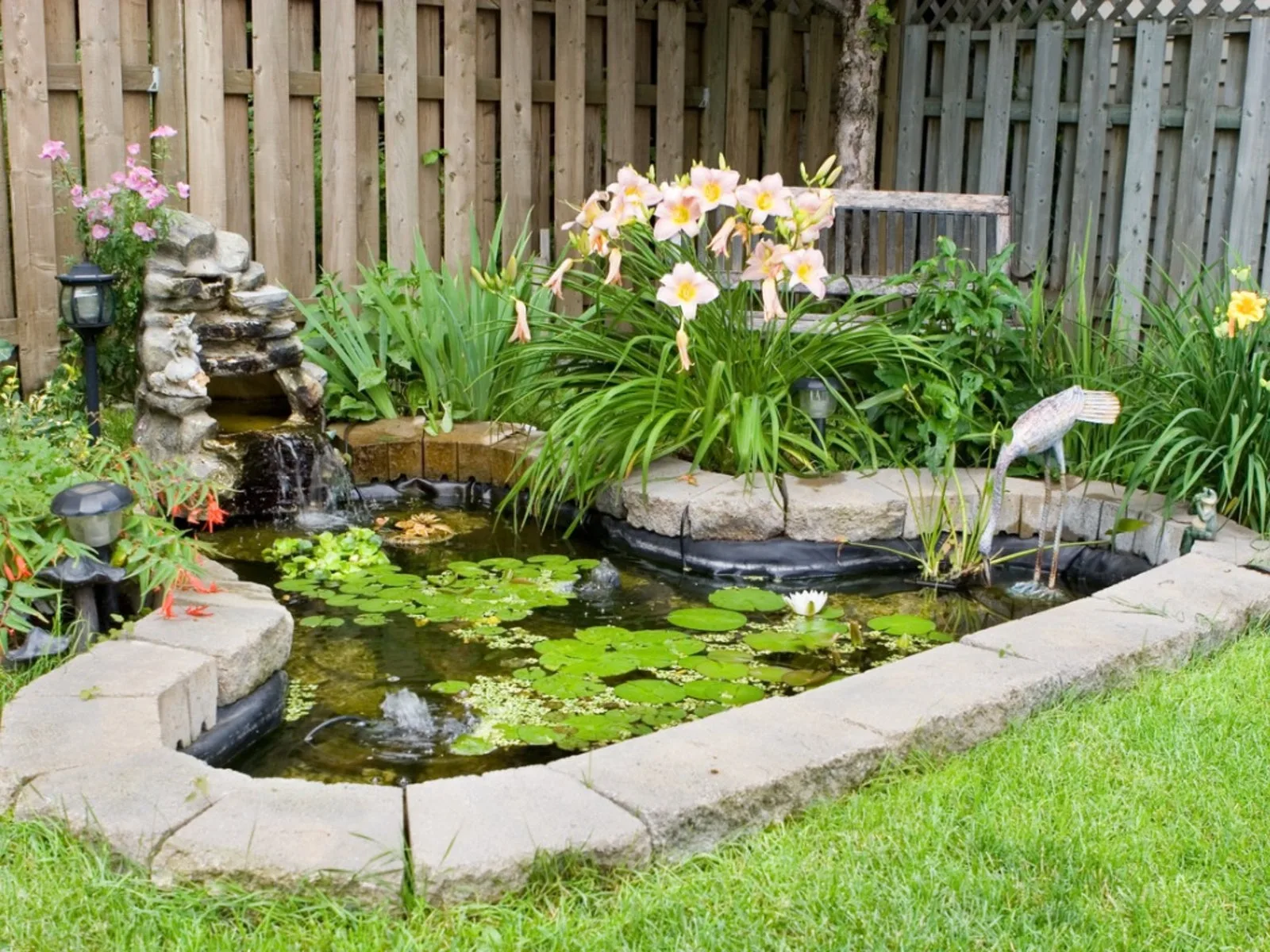
3. Stone Pond with Mini Fountain

If you want a natural, cottage-style feel, a small pond with a fountain head is a perfect weekend project. Layer stones around the edges and plant moisture-loving plants nearby to soften the look.

DIY Tip:
Use a pond liner to protect your soil and prevent water loss.

Stone lantern in a tranquil japanese garden pond

4. Tiered Pot Fountain

Stack two or three pots of varying sizes to create a tiered, cascading water feature. It’s easy to assemble and doesn’t require heavy tools or complex installation.

DIY Tip:
Choose pots with built-in drainage holes to hide pump tubing more discreetly.

71Xp8JnmgDL. AC UF10001000 QL80 1

5. Container Water Garden

Perfect for patios, balconies, and small spaces. Fill a large ceramic bowl or galvanized tub with water, lilies, pebbles, and floating plants. It creates the look of a miniature pond without any digging.

DIY Tip:
Add a small solar pump to keep water circulating and discourage mosquitoes.

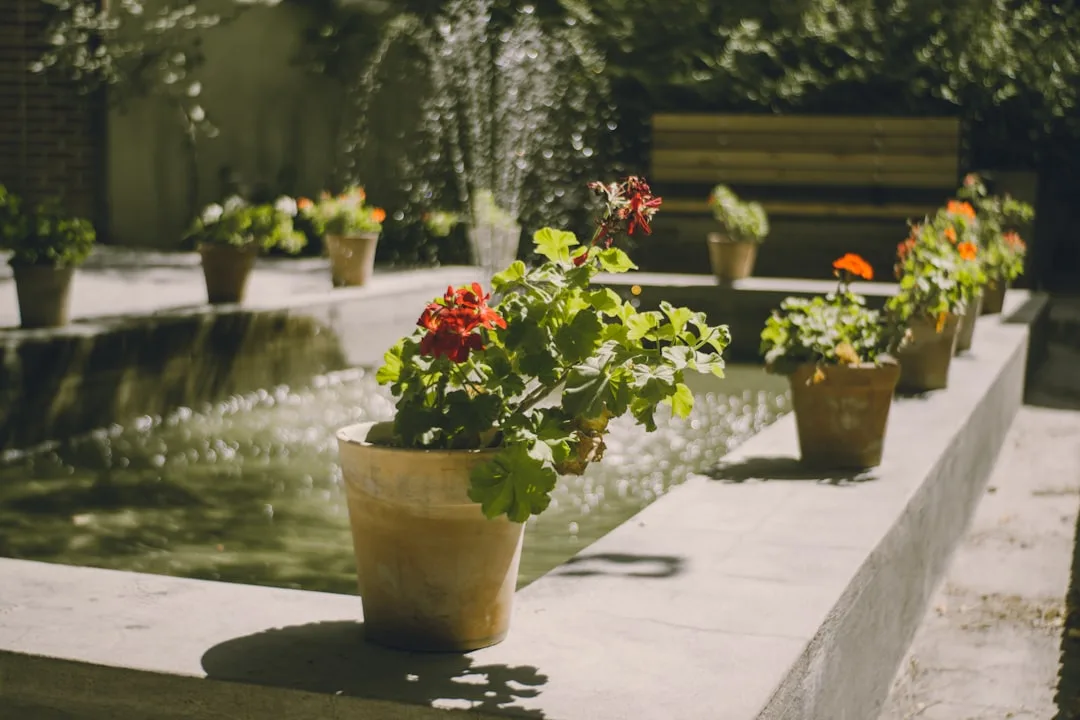
Potted flowers line a fountain with a bench behind.

6. Flower Pot Fountain

This DIY fountain relies on stunning pots—bright, textured, or patterned—to create a striking visual effect. Water gently bubbles at the top and trickles down the sides.

DIY Tip:
Choose pots with glazing to reduce mineral staining from water.

green plant in brown pot

7. Canoe Water Pond

Repurpose an old canoe into a long, narrow pond. Fill it with water, lilies, decorative stones, or even a small submersible filter and goldfish.

DIY Tip:
Seal the interior with a marine-grade waterproof coating before filling.

A red kayak in the middle of a river

8. Backyard Mini Water Garden

A simple container, a few stones, and decorative aquatic plants can create a tranquil water centerpiece for your porch or garden. This is the easiest, no-tools-required option.

DIY Tip:
Group your mini water garden with potted plants to create a lush display.

mini garden pond
Read More

Do you want to know how to secure your shed? Many people assume that their shed does not need protection. After all, it is nothing more than a storage shack where you keep out-of-season items. But while that lawn mower that you have been storing in your shed for many years may not be of much value on its own, have you considered the accumulated worth of the other contents in your shed – gardening gear, power tools, bikes, electrical cord, portable lights, rope, and lots more.

Despite many valuable items such as these stored in them, sheds are rarely secured properly. Whether or not your shed is attached to your home, you should make sure that the same level of security is provided to it as the rest of your property.

Here are a few tips to help ensure that your shed is as safe and secure as the rest of your home and the surrounding property.

Minimize the Risk of Structural Weaknesses: When there are obvious loose slats and patches of rot, your old shed will be able to provide very minimal defense against thieves. The first thing you need to do is identify the problem areas in the shed. Use new panels to reinforce the internal structure and make sure that you fix loose slats as well.

Replace rotten doors and windows and also patch up holes that you see on your roof. Secondly, make sure that your shed is difficult to for criminals to access. Always keep fence openings closed and secure that are around your yard, use thorny plants as a deterrent, by planting them around the shed and if you have overgrown shrubs surrounding your shed, trim them regularly so that they cannot be used as hiding places.

Replace Old Locks: Because many homeowners do not give importance to the security of their sheds, they use old locks. If traditional security is your preferred option, you should replace the old fastener with the strongest hasp and staple you can find with coach bolts. Next, add a strong padlock – preferable one that is rust-resistant or weatherproof – and make sure that you use it each time you close your shed.

Always remember that the harder you make it for a thief to enter your shed, the less likely they will be to try intruding in the first place, because it increases their chances of getting caught. If you prefer a more high-tech option, you should consider investing in an electronic door lock.

Secure Window AC Units: If the window AC units in your shed are not properly secured, burglars looking for access can quickly and easily remove them. You can make sure that it is much more difficult to remove your AC unit by installing a support mechanism that attaches to the exterior wall of your shed.

Although it may take a little more work, you should make sure that you also add a support bracket that can be securely screwed into the wall. This will make it extremely tough for any burglar to move the AC. Once the bracket has been installed, you should also invest in a window security bar. These are affordable improvements that can effectively prevent potential intruders from opening the window above the unit.

Replace Old Hinges: When the hinges of your shed door are exposed and loose, it makes them easy for criminals to unscrew. When this happens, the first thing you should do is replace those old hinges with a set that comes with a non-removable pin. You should look for carriage screws or coach bolts to install the hinges as well, because these types of fasteners come with smooth heads and cannot be removed from the outside once they are screwed in. This will make your shed door stronger and more secure, deterring potential intruders from trying to break in.

Poor Lighting: If your shed is situated in a corner of your yard where it cannot be reached by the porch light, it will make it difficult to see what is going on during the night. The best solution is to invest in motion detector lighting and have it installed. No criminal wants the spotlight on them so this will keep them away for sure. Depending on the strength and range of your lighting, it may also help in deterring intruders from the rest of your property.

There are many effective ways to make sure that your garden shed is properly secured and the items inside are safe. While some are expensive, you will find many affordable and easy ways to secure this structure. They will ensure that potential criminals have a hard time accessing your shed and getting their hands on your hard-earned property.

You can make sure that the equipment, tools, and other items that you store in your shed are safe from the hands of burglars and thieves. So do not neglect your shed and find ways to ensure that it is secure at all times.

How To Secure Your Shed

Read More

Do you want to know how to secure your shed? Many people assume that their shed does not need protection. After all, it is nothing more than a storage shack where you keep out-of-season items. But while that lawn mower that you have been storing in your shed for many years may not be of much value on its own, have you considered the accumulated worth of the other contents in your shed – gardening gear, power tools, bikes, electrical cord, portable lights, rope, and lots more.

Despite many valuable items such as these stored in them, sheds are rarely secured properly. Whether or not your shed is attached to your home, you should make sure that the same level of security is provided to it as the rest of your property.

Here are a few tips to help ensure that your shed is as safe and secure as the rest of your home and the surrounding property.

Minimize the Risk of Structural Weaknesses: When there are obvious loose slats and patches of rot, your old shed will be able to provide very minimal defense against thieves. The first thing you need to do is identify the problem areas in the shed. Use new panels to reinforce the internal structure and make sure that you fix loose slats as well.

Replace rotten doors and windows and also patch up holes that you see on your roof. Secondly, make sure that your shed is difficult to for criminals to access. Always keep fence openings closed and secure that are around your yard, use thorny plants as a deterrent, by planting them around the shed and if you have overgrown shrubs surrounding your shed, trim them regularly so that they cannot be used as hiding places.

Replace Old Locks: Because many homeowners do not give importance to the security of their sheds, they use old locks. If traditional security is your preferred option, you should replace the old fastener with the strongest hasp and staple you can find with coach bolts. Next, add a strong padlock – preferable one that is rust-resistant or weatherproof – and make sure that you use it each time you close your shed.

Always remember that the harder you make it for a thief to enter your shed, the less likely they will be to try intruding in the first place, because it increases their chances of getting caught. If you prefer a more high-tech option, you should consider investing in an electronic door lock.

Secure Window AC Units: If the window AC units in your shed are not properly secured, burglars looking for access can quickly and easily remove them. You can make sure that it is much more difficult to remove your AC unit by installing a support mechanism that attaches to the exterior wall of your shed.

Although it may take a little more work, you should make sure that you also add a support bracket that can be securely screwed into the wall. This will make it extremely tough for any burglar to move the AC. Once the bracket has been installed, you should also invest in a window security bar. These are affordable improvements that can effectively prevent potential intruders from opening the window above the unit.

Replace Old Hinges: When the hinges of your shed door are exposed and loose, it makes them easy for criminals to unscrew. When this happens, the first thing you should do is replace those old hinges with a set that comes with a non-removable pin. You should look for carriage screws or coach bolts to install the hinges as well, because these types of fasteners come with smooth heads and cannot be removed from the outside once they are screwed in. This will make your shed door stronger and more secure, deterring potential intruders from trying to break in.

Poor Lighting: If your shed is situated in a corner of your yard where it cannot be reached by the porch light, it will make it difficult to see what is going on during the night. The best solution is to invest in motion detector lighting and have it installed. No criminal wants the spotlight on them so this will keep them away for sure. Depending on the strength and range of your lighting, it may also help in deterring intruders from the rest of your property.

There are many effective ways to make sure that your garden shed is properly secured and the items inside are safe. While some are expensive, you will find many affordable and easy ways to secure this structure. They will ensure that potential criminals have a hard time accessing your shed and getting their hands on your hard-earned property.

You can make sure that the equipment, tools, and other items that you store in your shed are safe from the hands of burglars and thieves. So do not neglect your shed and find ways to ensure that it is secure at all times.

How To Secure Your Shed

Read More

Do you often host outdoor dinner parties? Tired of pesky mosquitoes always ruining the fun? Well, you can stop stressing over the problem.

There are many ways to keep mosquitoes out of your yard and these methods do not involve buying chemical-filled pesticides or insecticides that do more harm than good in the long run. With a few safe and natural tips, you can make sure that you get rid of these unwanted intruders and enjoy your time outdoors.

Tips to Repel Mosquitoes from Your Yard

Here are some of the best tips to help you keep pesky mosquitoes away from your outdoor space:

Eliminate Stagnant Water: First of all, make sure that there is no standing water anywhere in your yard – check plates under flower pots, toys left outdoors or garbage in an open can. Kiddy pools, ponds, and yards that are not drained properly also attract mosquitoes. No one wants to lose sleep because of mosquitoes buzzing around your ears, that is not fun nor pleasant!

These pests lay their eggs in fresh standing water, so any stagnant sources of water provide them with an opportunity. Getting rid of any stagnant water is the first basic step to ensure that you do not have a mosquito problem in your outdoor space.

Plant Mosquito Repellants: Did you know that there are certain plants that can repel mosquitoes? You should plant them around your yard to naturally keep these pesky bugs away from your yard. Lemon balm, citronella, marigold, lavender, geranium, rosemary, pennyroyal, and many others are excellent choices to plant if you want mosquito-repellant flowers and plants for your garden or yard.

The bonus is that they are all really pretty so you can make your outdoor space visually pleasing while keeping mosquitoes away.

Trim Vegetation: Plant nectar provide a feast for mosquitoes when they are not buzzing around, looking for blood. They spend a great deal of time around bushes and shrubs and in tall grasses. If you have vegetation around your house, it gives these insects a damp and cool place to hang out, especially on these plants’ leafy tissue on the bottom. You can reduce the population of mosquitoes in your yard by trimming the vegetation around your home and making sure that your lawn is always well mowed.

Get Rid of Debris: You should take a look around your yard for areas where debris like piles of leaves and grass clippings collect. Get rid of twigs, branches, and leaves that have piled up against your fence or the corner of your yard. It is important that you do this as they can provide a point source or a place for mosquitoes to breed. Keeping your yard clean and debris-free is one of the most effective ways to prevent mosquitoes from making your outdoor space their home.

If they are outside your home they will eventually come inside. They are easy to kill at times but they are still pests and when they are bothering you when you cook, are lying on the sofa, or trying to fall asleep, this all detracts from your quality of life.

Install Bug Lights: Bug lights are a sensational option for keeping mosquitoes away. These yellow, opaque bulbs work wonders in keeping these insects away. They are effective because insects and humans perceive lights in different wavelengths – insects see shorter wavelengths from ultraviolet and blue while humans see longer wavelengths that go from blue to red. This is why insects are attracted to black lights and conventional light sources.

A bulb coated with a yellow, opaque finish is invisible to bugs. Since they cannot see the light, they are unable to swarm there. The only problem you have is that everything that you have in your yard now has a yellow tint.

Tent Your Patio: If your patio is where everyone likes to relax and congregate, tenting it up may help in keeping mosquitoes from biting you and your guests. This way, you do not have to worry about having to spray repellent over food to keep mosquitoes and other bugs away when you are entertaining. You will find a wide array of canopy tents that come with mosquito net accessories – these are available in different styles, colors and fabrics, so you will find one that complements your home perfectly. You can even go for nets that can be attached to outdoor umbrellas.

Hire a Professional: If you can, you should hire a professional exterminator to check hidden areas like gutters, etc. where water can collect and become a prime breeding spot for mosquitoes. Professionals are terrific as they know secret spots where mosquitoes can breed or hide. They also provide treatments to eliminate these bugs, and prevent them from multiplying in your yard. If you want a non-toxic treatment, they will be able to provide it for you so you do have chemicals on your property that can harm you and your family.

As you can see, making your outdoor space mosquito-free is quite easy. You do not need to buy expensive equipment or get dangerous chemical treatments. You can relax or play in your yard and entertain guests any time without having to worry about everyone slapping mosquitoes and getting bitten. You can comfortably enjoy your outdoor space any time you want to.

Read More

Water is the ultimate source of life and every living being requires it. Water is also very soothing. The sound of falling of water or a standing bowl of water is so peaceful. Adding a water feature in your backyard garden will not only benefit the flora and fauna, but also your soul.

Many people avoid adding a water feature in their backyard because they assume it is difficult and requires a lot of effort and time. On the contrary, there are some simple ways to add water to your garden – here are a few of those ways.

Concrete Basins Shaped Like a Leaf

Invest in concrete basins that are shaped like a leaf. This design will blend nicely with your garden. Place the basins strategically amid lush greenery. You can even add fish to the basin if you like, you can get fish that live in stagnant water and eat up any mosquito larvae that thrive in the water. These will keep the water clean as well. You can also add a few floating plants like a lotus.

Place terracotta pavers under the basin to create a supporting platform. Make the platform large enough to hold the basin as well as other potted plants. You can place ferns and flowering plants around the basin to make your own little oasis.

Don’t be surprised if birds, dragonflies, and frogs make their home around the concrete basin.

Rectangular Pond

If you have the time, create a small rectangular pond in your garden. The pond will become the focal point, so landscape your garden around the pond. You don’t always have to add Koi to the pond, but you can if you wish.

One of the best ways to decorate your pond is by placing a few boulders in it. If you are doing this, aerate the water with a pump so that the boulders or stones do not get mossy. Then add a few turtles. You can sit back and enjoy the turtles basking in the sun while the dragonflies play hide-and-seek with the shimmering and reflecting water.

Be creative with your landscaping. You can create a tropical paradise by planting tropical plants in the backdrop of the pond. Place other green and flowering plants around the pond. If you want to hear the music of flowing water, just add a bubbler to the pond. You will be in heaven each time you hear the tinkling sound that the water makes. You can even add a small pump to create the sound that flowing water makes. If you live on a busy street, this is an excellent idea as it will drown the noise of the traffic.

The pond can function as a reflecting pool where you can sit down and watch the clouds mirrored in the water. Just staring in the water will rejuvenate you and also give you answers you seek.

Backyard Birdbath

If you are not the type to go through the motions of installing a pond, don’t worry. You can press the button for a simple birdbath. You will find birdbaths in any garden store in your neighborhood. Just place it strategically, preferably in a place where you can view it from your windows. It will be soothing to see the shimmering water or watch the birds frolic in the water.

You can frame the birdbath with some contrasting potted plants to add more color and dimension to the area. You can accent the birdbath with some oak-leaf hydrangea, if you like. Or, toss in a few glass balls, they will float in the water and create beautiful reflections each time sun rays hit them.

Place miniature fruit plants around the birdbath so that birds have plenty to eat. Also, these miniature fruit plants will give the area the look and feel of an oasis.

Copper Urn

Place a copper urn in one corner of your garden under the shade of a tree and fill it up with water. If you like, you can grow plants hydroponically in the water. Install a bench near the urn so that you can sit down and read your favorite book in the shade or just enjoy the soothing water and the wildlife it attracts.

Surround the urn with ferns to create a tropical rainforest in your backyard. You will be amazed how something as simple as a water feature can also help keep the temperature down in your garden.

The Bottom Line

Adding a water feature is not that difficult and whether you live in an urban or rural area, it should be an integral part of your outdoor living space. Water has magical qualities and properties, and you will be amazed at how rejuvenated you feel after spending a little time near your water feature. So go ahead and use these simple tips to install your water element.

Read More

Coffee Grounds in Your Garden

Your garden is your haven and refuge, a place to escape the humdrum of everyday life. A gazebo or pergola in the garden can make it look stunning and also offers a place to relax and enjoy the company of family and friends. Make sure your garden oasis stays vibrant and alive by using something that you would normally discard – coffee grounds in your garden!

Here are some amazing ways to use coffee grounds in your garden and give your garden a much-needed perk-me-up without resorting to chemicals.

Make Your Compost More Nutrient Rich

Coffee grounds are filled with garden-friendly nutrients and properties. They contain nitrogen, lighten and loosen soil, attract earthworms, and act as a deterrent against garden pests. In addition, coffee grounds have a pH anywhere from neutral to acidic and this can prove to be a boon for soils that are alkaline.

Fertilize Your Garden

As coffee grounds are rich in nitrogen, you can fertilize your vegetable patch with them. They are an excellent natural fertilizer that replenishes the lost nitrogen in the soil. Sometimes, coffee grounds also contain a high volume of carbon and this too can work wonders with the soil.

Give Acid-Loving Plants a Treat

If you grow tomatoes, azaleas, and rhododendrons, they will thrive on coffee grounds. These plants love acidic soil and when you feed them with a coffee ground solution, they will give a better yield. Just soak the coffee grounds in plenty of water and the following morning use the solution to water your acid-loving plants.

Show Some TLC to Roses

If you are a lover of roses, give your rose plants something to feel happy about. Feed them coffee grounds and watch them bloom in abundance. The neutral to acidic pH and nitrogen in the grounds are like a feast for roses.

Make Organic Mulch

Use coffee grounds as an organic mulch. They will prevent weeds from growing, help the soil retain moisture, and protect against soil erosion. Just make sure you put a fine layer of coffee grounds on the soil. If you do not, it will attract mold that could wreak havoc with your plants and garden.

Keep Tabby at Bay

While cats are not really pests, they can threaten the birds and other wildlife in your garden and also leave behind a stinking mess. If you want to deter cats from getting comfortable in your garden, putting coffee grounds on the soil is a good way to keep them at bay and prevent them from digging up the soil or eating plants that could be potentially dangerous for them.

Protect Your Plants from Fungi

Coffee grounds can protect your plants from fungal diseases, such as wilts and rots. According to some experts, coffee grounds have the ability to create their own type of fungus, which is extremely helpful to the common gardener. So, use the grounds in your garden and enjoy healthy and disease-free plants.

Alter the Color of Your Hydrangea

As weird as it may sound, coffee grounds have the ability to change the color of hydrangeas. If the soil is alkaline, you will get pink blooms. However, most gardeners yearn for and desire blue blooms, which only grow in acidic soil. Add coffee grounds to the soil and watch a miracle happen – a change in the color of your hydrangeas.

Boost the Yield of Carrots

Just like coffee stimulates you, the grounds can stimulate carrots to increase their yield. When you plant carrot seeds in your vegetable patch, mix dried coffee grounds with the seeds. Not only will the yield increase, you also will be able to protect the seedlings from pests.

Keep Nasty Pests as Bay

There is nothing more disturbing and frustrating than finding pests gnawing away at your plants after all the hard work you have put in. Instead of using chemicals to keep away that creepy crawlies from your garden, use coffee grounds. Just place the grounds around the plants that are favored by snails and slugs. You also can put the grounds around ant holes to prevent them from invading your garden.

That’s right, coffee grounds in your garden ward off bugs too!

Give Your Vermicomposting a Nutrient Boost

Gardeners who vermicompost claim adding coffee grounds can give the compost a nice dose of nitrogen and other soil-friendly nutrients. However, there is a lot of debate over this addition. Anecdotal evidence shows adding a few coffee grounds into the vermicomposting pit does not harm the worms. So go ahead and try it, give your compost an injection of nutrients like never before.

Can coffee grounds paint your house? No, sorry, they cannot do that.

Now you know of some weird but helpful ways to enrich your garden soil using coffee grounds. Use these tips so that the next time you are sitting in your gazebo or pergola, you will feel thrilled at the vibrantly colored blossoms thriving and flourishing around your yard.

Read More


In an urban setting, gardens are an escape that allows you to forget the daily stresses of life and lose yourself to the beauty of vibrant flowers, chirping birds and colorful butterflies. However, many homeowners are bereft of landscaping ideas for their gardens. If you want some simple yet effective ways to landscape your garden to add value to your home and make it the pride of the neighborhood, here are 10 great ways to transform your garden.

1. Focus on Growing Nativars

Rather than growing exotic species of plants and flowering shrubs, focus on growing plants that are native to your geographical region. These Nativars, as the plants are called, are already adapted and acclimatized to the climate and growing conditions, so will not need as much care as plants that are grown in strange growing conditions.

2. Create a Living Wall

Living walls are not just beautiful, they also are functional. They can keep your nosy neighbors at bay and create a private green sanctuary for you. You can build a living wall instead of fence. Remember the plants you grow on the wall will clean the air around your home by removing toxins and other airborne pollutants.

3. Build a Pergola

Every garden needs a focal point. While some homeowners opt to install a fountain, others want something unique and different. If you fall in the latter group, a pergola is just what you need. No, you don’t have to empty out your bank balance to build a pergola from scratch. You can easily get DIY pergola kits. Focus on kits that use Western Red Cedar wood.


This wood is strong, durable and beautiful. It is naturally resistant to rot and decay and the fragrance acts as a deterrent to pests. DIY pergola kits come with illustrated instructions, pre-cut and pre-drilled wood pieces and all the necessary hardware to make sure you don’t have to do anything but the assembling. If you have the foundation ready, it will take two people a single afternoon to get the pergola up and ready. Then you can place outdoor furniture and your entertaining and leisure area is ready for use.

4. Throw in Some Adventure

Create trails and pathways in your garden that lead to a small hideaway where you can sit with your family and friends enjoy a picnic. If you intend using the hideaways at night, string lighting along the pathways or you can let creativity take over and use tiki torches instead. Use old bottles, such as wine bottles, to make your torches. Just ensure the hideaway is far from the main house for it to be really effective.

5. Build a Desert-Like Landscape

If your garden is really huge, the last thing you need is growing grass and spending your whole weekend tending to it. You can get away from all the mowing and lawn maintenance by press the button for desert-like garden with rocks, sand, and succulents. This will require minimal maintenance and also cut down the use of water. Use a drip irrigation system to water your succulents.

6. Enjoy Color Throughout the Year

If you love flowers and their natural fragrance and beauty, you are can keep your garden vibrant and alive throughout the year. Flip the switch for seasonal flowers that are native to British Columbia. Clemantis, Spider Flower, Japanese Anemone, Dahlia, Hibiscus, Lobelia, Peony, Allium, Aster, Salvia, Spiderwort, Begonia, Dianthus, and Spotted Laurel are some of the plants that you can grow seasonally and ensure your garden has color even during cold winter months.

7. Use Planters and Baskets

You can add dimension to your garden by opening the door towards hanging baskets and elevated planters. It will give your garden some character and also ensure your plants enjoy excellent drainage. You can grow a variety of spillers, fillers, and thrillers in these planters and baskets and make your garden stand out.

8. Forget Grass and Choose Ornamental Grass

If you think lawn maintenance is a back-breaking job, skip planting sod. Instead, go with ornamental grasses. You need to cut them just once every season and this will keep your garden neat and tidy.

ornamental grasses

9. Recycle Household Containers

You can even turn into an eco-friendly homeowner and gardener by recycling old containers, such as paint cans and milk cartons. You can use them to grow succulents, herbs, and flower. In fact, if you are creative enough, even tires and old Wellingtons can be put to good use in your garden. You are limited by your creativity. So, set it free and go berserk to create a unique but beautiful garden.

10. Create a Focal Point with a Sculpture

Scour antique stores and other shop to pick up a sculpture that you can place in the middle of your garden. It should be an attractive sculpture that draws your eyes and then pushes them to check out other aspects of the landscape. Surround the sculpture with your homemade plant containers that have colorful flowers and plants.

Use these 10 tips to easily create a beautiful garden that you will be proud of. These tips are cheap and simple to incorporate into a garden of any size.

Read More