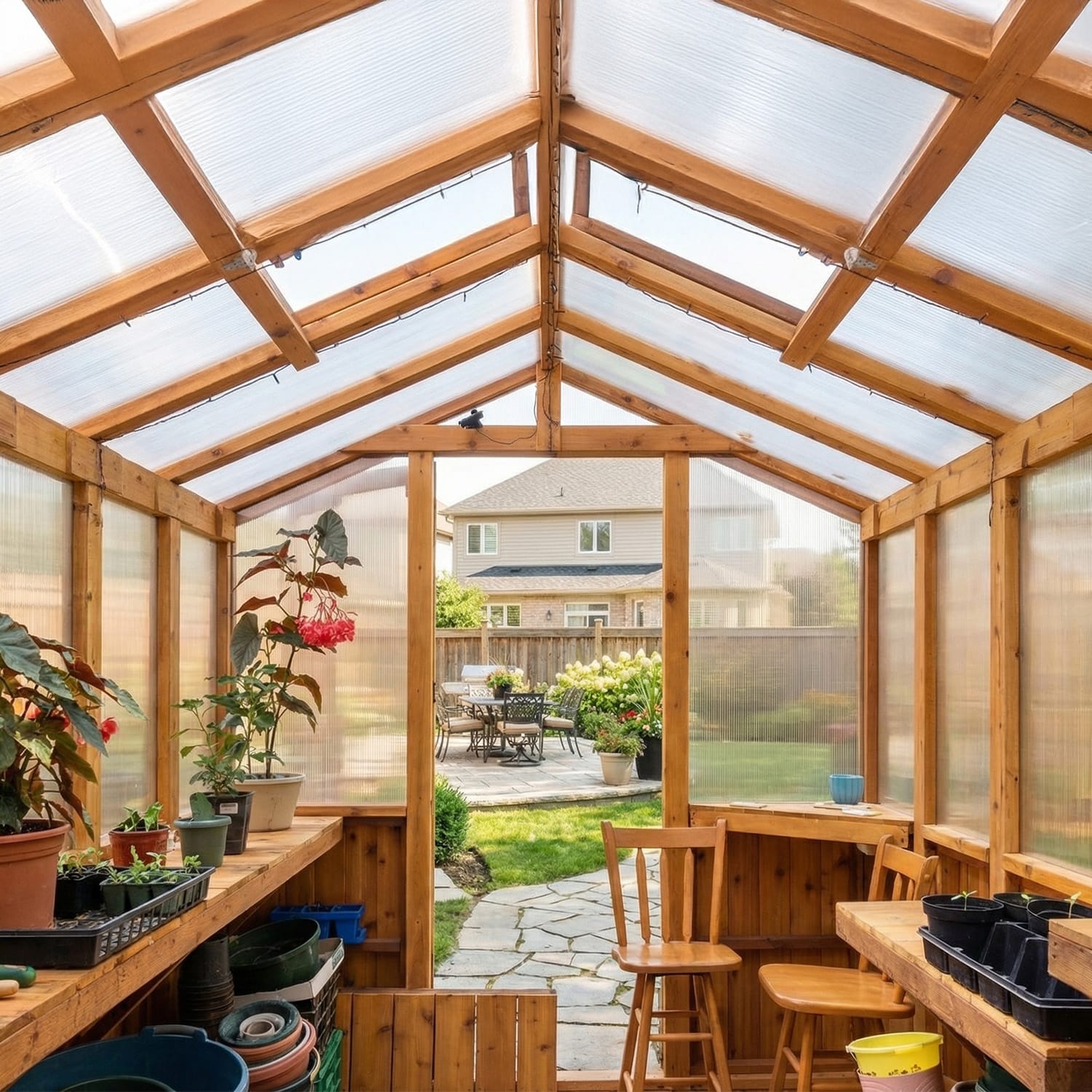
Everything You Need to Know Before Setting Up Your First Greenhouse

For many gardeners, the growing season feels frustratingly short. Spring arrives late, fall comes early, and unpredictable weather — from heavy rain to surprise frost — can derail even the best-planned garden. Add in pests, poor soil conditions, or limited outdoor space, and it becomes clear why more gardeners are turning to greenhouses.

A greenhouse creates a controlled micro-environment that lets you grow healthier plants, experiment with new varieties, and extend your growing season well beyond what’s possible outdoors. Whether you're nurturing seedlings, growing heat-loving crops, or cultivating year-round herbs, the right greenhouse makes all the difference.

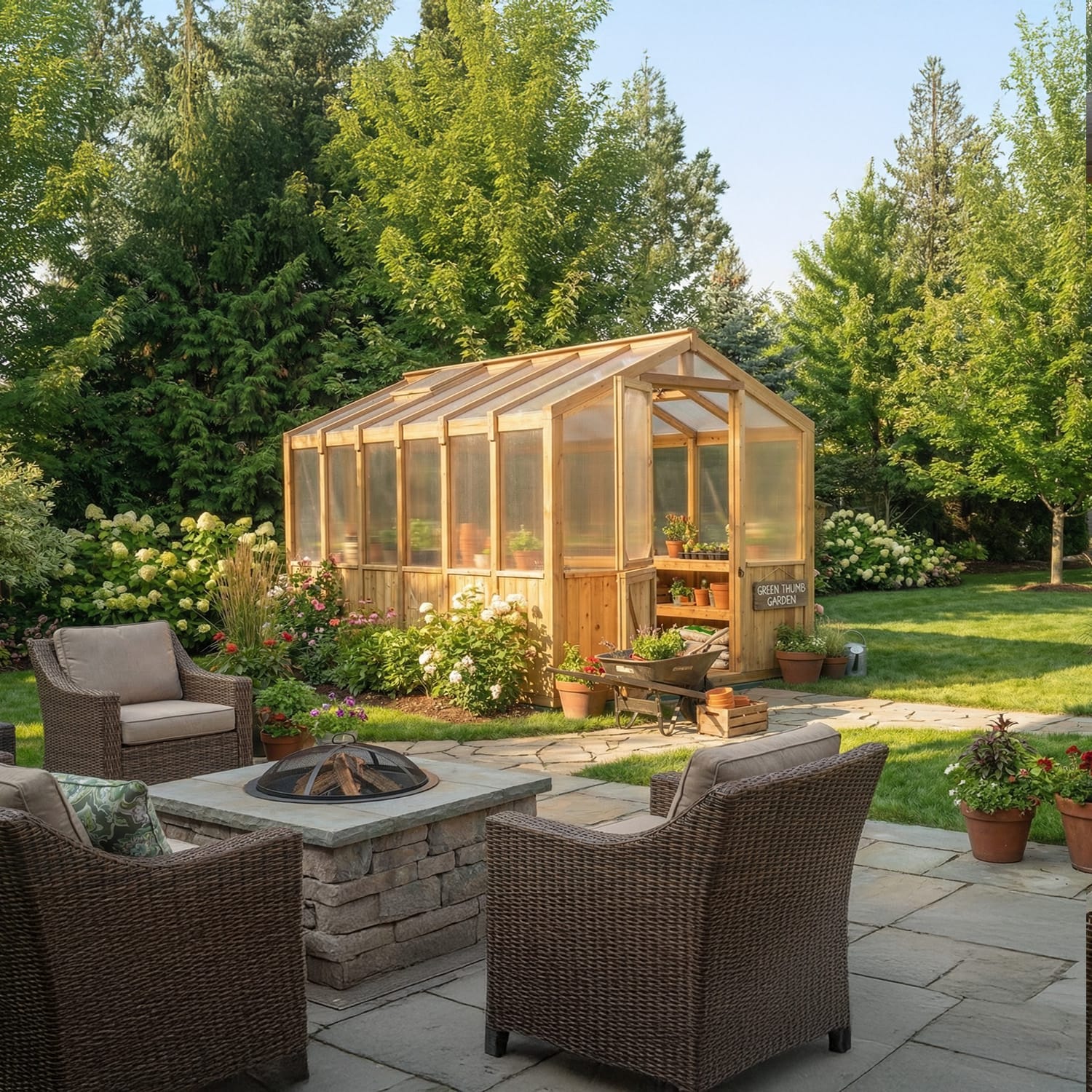
Outdoor Living Today’s Western Red Cedar greenhouses blend sustainability, craftsmanship, and smart design — helping gardeners create thriving plant environments that last for years.

This guide walks you through the essential steps to prepare for greenhouse gardening, so you can grow with confidence — from choosing the right style to managing climate, soil, water, and plant health.


Selecting the Right Greenhouse

What to Consider When Choosing Your Greenhouse

Before you plant your first seed, start by choosing the greenhouse that best supports your gardening goals. Consider your available outdoor space, budget, and the types of plants you plan to grow. This ensures you choose a structure that fits comfortably into your yard and supports the temperature, humidity, and light needs of your plants.

Outdoor Living Today offers a range of greenhouse sizes, including 8×8, 8×12, 12×12, and 12×16 Western Red Cedar Greenhouses and SunShed models. Each provides excellent durability, natural insulation, and timeless beauty.


Site Selection and Preparation

Choosing the right location is just as important as choosing the right greenhouse. This determines how much light your plants receive, how warm the interior becomes, and how efficiently you can maintain your greenhouse year-round.

Tips for Ideal Site Placement

Maximize sunlight exposure: Choose a location that receives full sun, ideally facing south for maximum winter light.

Remove obstacles: Clear away debris, low-hanging branches, or structures that may cast shadows.

Ensure a level foundation: A solid, level base prevents uneven settling and improves long-term structural integrity.

Prevent weed encroachment: Install a weed barrier to stop invasive plants from creeping into your greenhouse base.
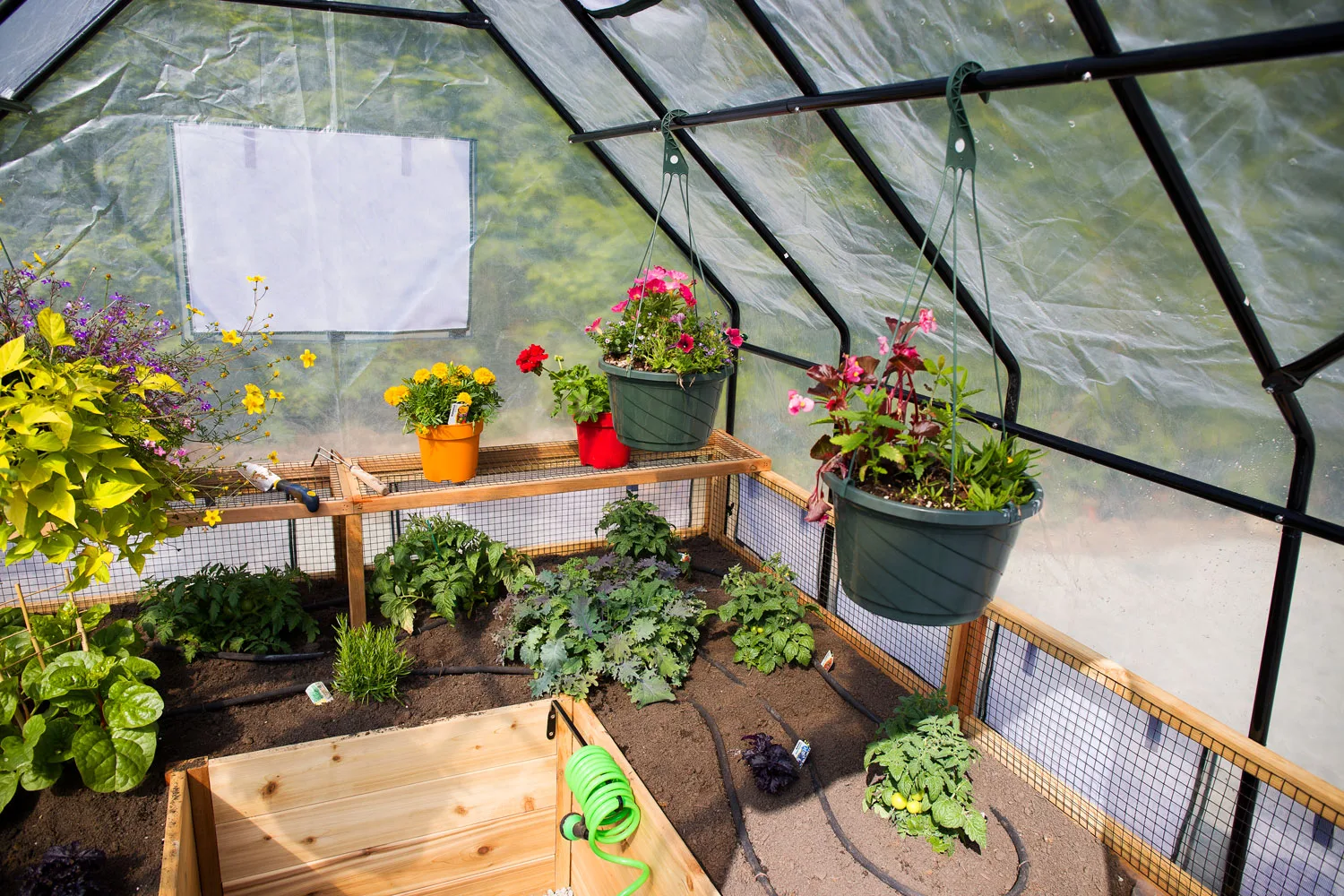
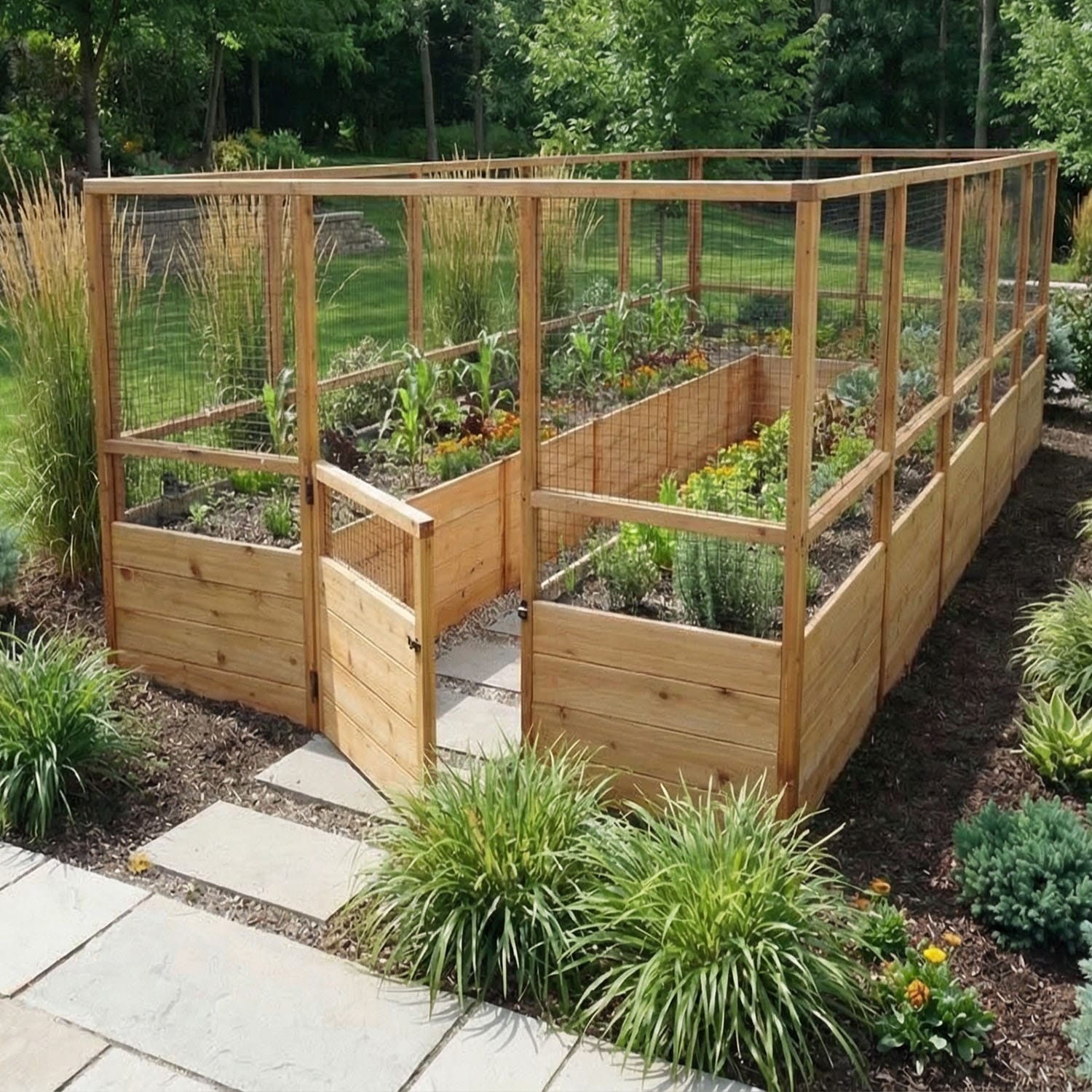
Raised Garden Bed Greenhouse cover 3

Sustainability: Why Cedar Makes a Difference

Western Red Cedar is one of the most sustainable greenhouse materials available. Harvested from responsibly managed forests in Canada and the United States, cedar has a naturally low environmental impact compared to synthetic or chemically treated materials.

Why Western Red Cedar is the Sustainable Choice

Naturally rot-resistant thanks to its oils (no chemical treatments required)

Long lifespan outdoors, reducing replacement waste

Low density, meaning cedar moves less in fluctuating temperatures

Lower environmental footprint during processing than many alternative materials

According to forestry researchers, responsibly managed cedar forests help ensure long-term ecological stability through controlled harvesting and regeneration.


Climate Control and Ventilation

Maintaining proper temperature and airflow is the key to greenhouse success. Without ventilation, heat and humidity can quickly build up — stressing plants, inviting pests, and promoting fungal diseases.

Outdoor Living Today’s greenhouses make ventilation easy with adjustable roof vents, allowing gardeners to regulate interior temperatures naturally.

Climate Control Tips

Open vents during hot afternoons to prevent overheating.

Use circulating fans to reduce stagnant air pockets.

Monitor humidity levels — excess moisture can lead to powdery mildew or mold.

Use automatic vent openers for consistent climate control.

Regulating temperature and humidity inside protected agriculture structures greatly reduces disease pressure and improves plant health.


Irrigation and Water Management

Greenhouse plants often require more consistent moisture than outdoor plants. However, overwatering is equally dangerous — leading to root rot, fungal issues, or nutrient leaching.

Best Practices for Greenhouse Watering

Use misting nozzles for humidity-loving plants like seedlings.

Consider a rainwater collection system (e.g., barrel kits) for sustainable irrigation.

Ensure proper drainage to prevent standing water and soil saturation.
According to industry data, greenhouse structures can reduce overall water use due to controlled irrigation and reduced evaporation.

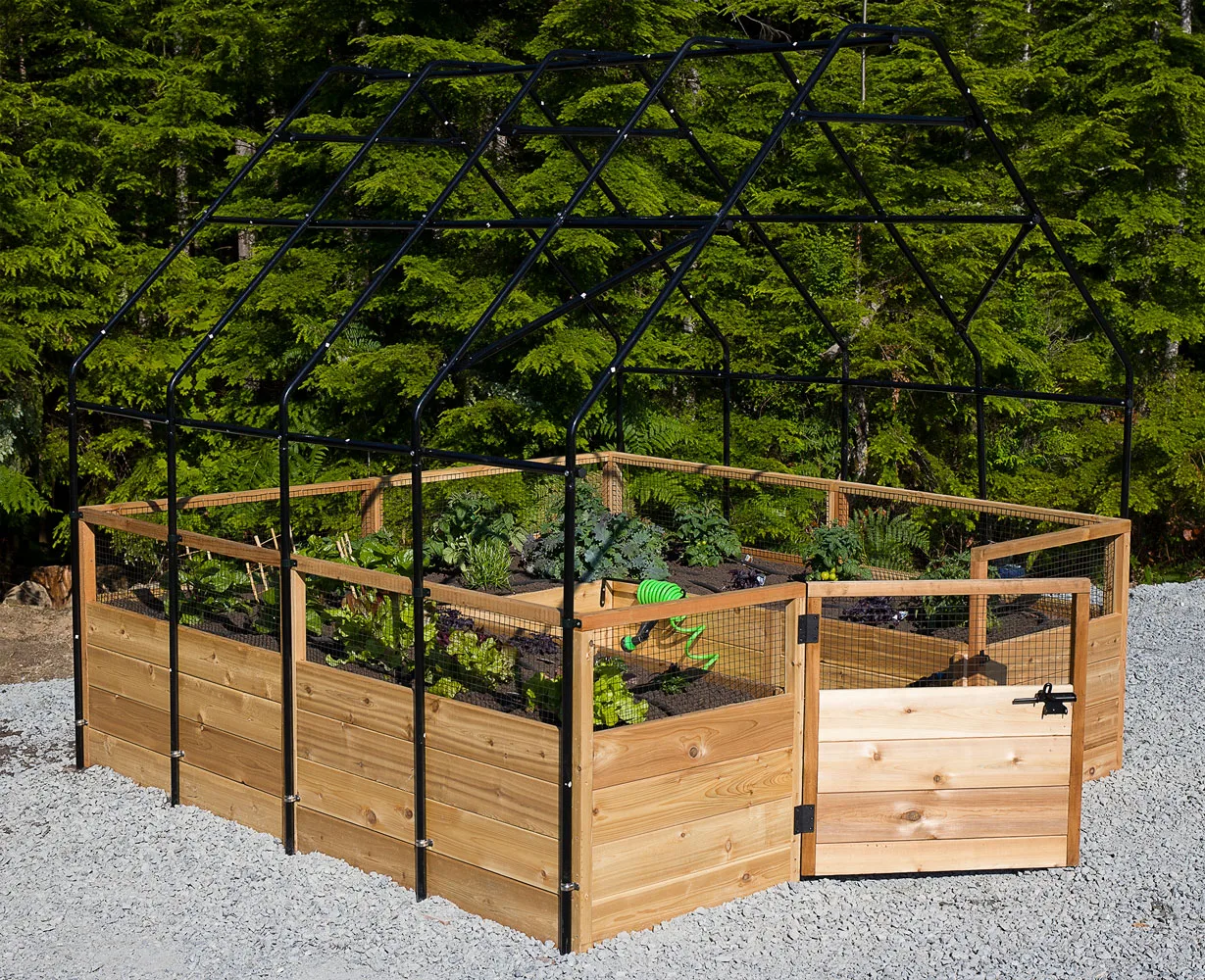
Raised Garden Bed Greenhouse cover 4

Soil and Plant Selection

Greenhouse plants often require more consistent moisture than outdoor plants. However, overwatering is equally dangerous — leading to root rot, fungal issues, or nutrient leaching.

Choosing the right soil and plants is crucial for greenhouse success. The enclosed environment allows for better growth control — but it also requires that soil quality and plant selection be intentional.

Soil Tips

Use high-quality, well-draining soil enriched with organic matter.

Test soil pH and nutrients periodically to maintain optimal growth conditions.

Ensure soil has enough perlite, compost, and structure to support root systems.

Plant Selection Tips

Choose plants suited for greenhouse growing, including herbs, leafy greens, tomatoes, peppers, cucumbers, citrus, and specialty flowers.

Start seeds indoors in trays and transplant young plants when roots are established.

For quicker results, purchase healthy nursery plants and acclimate them to the greenhouse environment gradually.
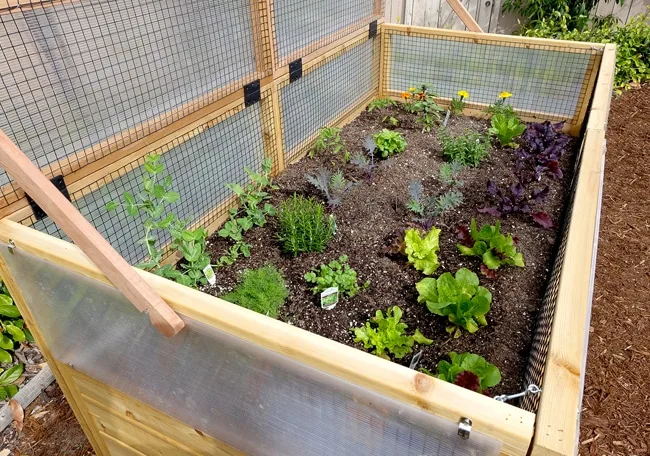
Gardening Raised Bed Greenhouse 6x3 4 web.jpg

By incorporating a thoughtfully selected and well-prepared greenhouse into your gardening routine, you unlock a world of growing opportunities — from extending your growing season to cultivating healthier, stronger plants year-round.

With Outdoor Living Today’s Western Red Cedar greenhouses, you’re choosing a structure built for durability, sustainability, and long-term performance. Pair that with smart site selection, proper irrigation, balanced soil, and good climate management, and your greenhouse becomes a thriving oasis in every season.


Ready to create your own backyard greenhouse sanctuary?
Explore our full range of cedar greenhouses and start growing with confidence!
Read More
spring gardening tips Spring is the ideal time to start gardening. However, the garden needs to be prepared for planting after the cold winter. Before you start planting flowering plants and working in your vegetable and fruit garden, complete these essential spring gardening chores to ensure that your garden flourishes.

Spring Gardening Essentials

Clear Up Flower Beds and Borders

Before you can plant new seedlings, clear up the flower beds and borders. Remove dried leaves and other debris from all over the garden and pond. This is the time to trim old and dead branches of perennials as well. You can also retain an arborist to trim back trees and shrubs.

Clean the Greenhouse

The next step is to clean the greenhouse completely. Wash the outside and inside and apply a disinfectant on all surfaces after removing any insects, mold, and fungus that have established themselves over the winter. Wash the potting benches and seedling trays, clean and paint pots, and paint the greenhouse if it needs a fresh coat of paint.

Fix Fences, Gates, Trellis

As part of your spring gardening activities, you also need to clean and examine other garden fixtures such as fences, gates, and trellis. If your garden has furniture that was left outdoors in the winter, these need to be cleaned and painted as well. If you have stored the garden furniture indoors, bring them out and place them in the garden. You might need to mend broken fences and paint the trellis if it has been affected by the winter weather. Similarly, if you have a playhouse, tree house, pergola, or arbor in your garden, these need to be cleaned, disinfected, mended, and painted. Check these structures for mold, fungus, and insects and remove them before they take over the structure. Wash the outside and interiors of the structures.

Bird Feeders and Bird Baths

Another set of garden fixtures that bear the brunt of winter weather are bird feeders and baths. These need to be cleaned, disinfected, and painted if necessary. Test the bird bath to ensure that it does not leak. Once the weather turns mild enough for the birds to return, you will be in a position to fill the feeder and bath, adding bird song to your garden.

Eliminate Garden Pests

The time before spring planting is ideal for hunting down and eliminating garden pests. This will save you plenty of time and effort later on as your garden will be relatively pest free during the growing season.

Soil Test

Another must-do activity before spring planting is a soil test that will help you determine the right fertilizers to apply. You should also add mulch to the empty flower beds and bald patches of soil, to enhance the soil quality.

Compost Pit

Build or start a compost pit and use the garden debris and trimmings you have collected to prepare mulch.

Start Seedlings for Long Growing Plants

Even if the weather is still too cold to plant outdoors, you should be preparing the seeding trays for plants that need to grow for a longer period of time. The seedlings will be ready for planting once the weather becomes milder.

Water Butts

If your garden does not already have water butts, now is a salient time to install them. If the water butts were moved indoors during the winter, bring them out and place them in locations where they can catch rain water during spring precipitation. This move will help save the environment, reduce your water bill, and ensure healthier plants thrive on and live off rain water.

Spring Gardening Tools

Once the weather is appropriate for planting you will be busy in the garden, digging, planting, and so on. Before that, clean and inspect all of your gardening tools, sharpen and repair broken tools, and order any new ones that you will need.

Plan Your Garden

You should also take the time to plan your garden, decide which flowers you want in the flower beds and which vegetables and fruits you plan to grow this spring. With this decided, you will be in a position to order the seeds or seedlings you require and ensure that they are on hand the weekend you decide to plant them. While the actual planting of the garden can start only after the weather is conducive, you can begin work on the garden and prepare it for the spring planting just as the weather becomes warmer. This will give you a head start on your spring gardening; giving you time to ensure that the plants thrive by the time summer is on its way. By checking the soil, tools, and garden structures, and preparing seedlings ahead of time, you will soon have a colorful garden that truly heralds spring in your neighborhood. A little bit of planning will help your gardening efforts go more smoothly as you will have the tools and seeds you need when you are ready to plant.
Read More
owning a greenhouse There are many reasons why having a greenhouse is an excellent idea. When you have one, you can turn your gardening hobby into a full-time passion. Whether you have many hours to spend or just a few minutes a day, having a greenhouse is great for anyone who loves plants. There are certain questions that pop up when considering a greenhouse: What are the benefits of having a greenhouse? Is it expensive? Could I make good use of it? Do I have the space? You will get the answer to these questions when you build a greenhouse as you will see that it offers numerous benefits that you will always be thankful for.

Benefits of Having a Greenhouse

Here are 10 great reasons why you should definitely have a greenhouse on your property:
  1. Multiple Purposes: One of the best things about owning a greenhouse is that you can use it for a variety of things. You can grow fresh organic vegetables, flowers, bulb plants, house plants, exotic plants and all types of seedlings. You can change what you grow in it every year or grow a mix of things. You can grow different plants at the same time if you choose to. You have the freedom to choose what you want to use your greenhouse for. No matter what you want to plant and grow, you can do it in a greenhouse.
  2. All-in-One Gardening Place: When you have a greenhouse, you have a designated spot for everything involved in gardening. You do not need to build a garden shed. You can not only grow vegetables, flowers and other plants, but store all your gardening tools and equipment, accessories, and supplies as well.
  3. Consistent Gardening: When you have a greenhouse, you can evade and ignore all weather conditions and season changes throughout the year. Excessive rains, extreme temperatures, or long droughts will not cause any serious problems for the plants that you grow in your greenhouse. You acquire the flexibility you need to go ahead with any form of gardening.
  4. Plant Protection: By planting your plants inside a greenhouse, you give them protection against problems such as rough weather and serious infestation of seasonal pests like tent caterpillars, locust swarms, spider mites, and many more. You can make sure that your plants are healthy and happy all year round.
  5. Optimum Environment: Whether it is herbs or vegetables you grow, if you are a long-time gardener, you will know that plants love environments that are warm and humid. You can use the greenhouse gardening method and place your plants in a growing environment that enhances their growth. The main purpose of a greenhouse is securing a reasonable amount of heat and water vapors so that warmth and humidity is maintained within the greenhouse.
  6. All- Season Garden: Many gardeners face one common problem and that is not being able to plant certain seeds because of an unsuitable season. When you own a greenhouse, you do not need to worry about this. You have control over the temperature of the garden with a greenhouse and you can start planting seasonal plants earlier than others or delay it.
  7. Great Garden Design: Like gazebos and pergolas, you can obtain a wonderful greenhouse design that suits your landscape perfectly. You do not have to worry about landscape design as there are greenhouse designs of different sizes and shapes. You can attain a beautiful garden design with a profound greenhouse laid across your garden. Like these other structures, you can create a space that has a purpose and adds visual appeal to your outdoor area at the same time.
  8. Save Money: You can easily spend a fortune on plants every spring, but still wish for more flowers to fill in your garden even after spending all that money. When you have a greenhouse, you can grow as many seeds as you want and most times, you will have more than enough greenhouse plants to give away to others. This means that you can save a lot of money on plants.
  9. Fuss-Free Customizations: If you prefer to have a greenhouse that is unique to others that you have seen or have specific requirements for your plants, you do not have to stress as customizing greenhouses is easy. In fact, building your own greenhouse is easier than building a patio deck or pond. You can easily customize the placement of plants, number of doors, size, position of the storage area, and more.
  10. Greenhouses are Healthy: Owning a greenhouse is good for your health. Being outdoors with nature is a fantastic way to escape from all the stresses you have. In fact, greenhouses with diffused lighting can help in alleviating Seasonal Affective Disorder, or SAD. It is just the thing you need to lift your spirits when you are feeling down.
A greenhouse requires you to make an initial investment, but the money you spend is well worth it in the long run. With so many benefits, you can see why owning a greenhouse is a judicious idea.
Read More