Why Wood Choice Matters (and Why Cedar Wins)

Outdoor wood structures add warmth, beauty, and long-lasting function to your property — but only if they’re properly protected from moisture, insects, and weathering. Whether you’re maintaining a shed, pergola, greenhouse, or garden bed, understanding what causes wood decay (and how to stop it) can dramatically extend the life of your investment.


What Causes Wood Decay and Degradation?

Wood decay is caused when fungi break down the cellular structure of timber. For these fungi to survive, they need moisture, oxygen, moderate temperatures, a food source (wood itself).

Once active, decay fungi can weaken wood fibers, cause color changes, create softness, lead to cracks, checking, and structural instability.

Wood degradation also includes non-fungal damage such as UV exposure, weathering, insects, fire.

Together, these elements speed up wear and reduce a structure’s lifespan.


Why Western Red Cedar Holds Up Better

Western Red Cedar is one of the top-performing woods for outdoor structures due to its:

  1. Natural resistance to rot, decay, and insects
  2. Low density and inbuilt air pockets that reduce moisture retention
  3. Exceptional dimensional stability (less warping, less movement)
  4. Low-maintenance surface
  5. Long lifespan even when exposed to the elements

Because of its natural durability, cedar is commonly used for sheds, pergolas, greenhouses, garden beds, playhouses, and outdoor furniture. 

If you want longevity with minimal upkeep, Western Red Cedar is one of the best choices.
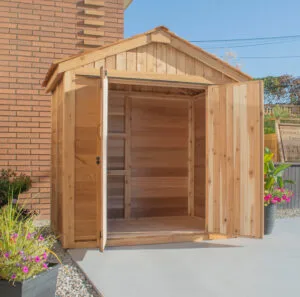
12x16 Space Master Double Door Barn Shed Western Red Cedar Shed Outdoor Living Today 2.jpg

How to Prevent Wood Decay in Outdoor Structures

1. Start With the Right Wood

Using durable species like Western Red Cedar (Thuja plicata) is a promising long-term solution. It naturally resists decay without relying on chemical preservatives.

Pressure-treated lumber offers some protection, but moisture control is still essential — preservatives alone can’t stop water absorption.

2. Control Moisture Exposure

Moisture is the #1 cause of wood decay.

To reduce it:

  1. Ensure proper drainage around structures
  2. Keep soil from touching the wood (especially garden beds, playhouses, sheds)
  3. Reapply a water-repellent finish as needed
  4. Repair leaks or standing-water areas right away

Reducing moisture dramatically slows fungal activity.

3. Stop Rot From Spreading

If you notice rot:

  1. Identify the moisture source

  2. Dry the area

  3. Cut away or treat affected wood

  4. Apply a fungicide or protective finish

    Early treatment prevents it from spreading into nearby components.

4. Paint or Stain for Added Protection

Opaque paints provide strong weather protection thanks to high pigment content. They’re best applied in a factory setting for a smooth, long-lasting finish.

If painting onsite:

  1. Prime first
  2. Apply a durable topcoat
  3. Ensure the surface moisture content is under 16%

5. Choose Oils or Clear Finishes Carefully

Clear varnish or unpigmented oils can protect wood while showcasing its natural grain — but they generally:

  1. Have very low UV protection
  2. Require more frequent maintenance
  3. Should not contain wax if you plan to paint later

Always check with a qualified retailer for the right product choice.

6. Use Wood Stains for Added Protection

Wood stains:

  1. Protect against weather
  2. Enhance wood character
  3. Require re-application every few years

They’re a great middle-ground option if you want both aesthetics and durability.

7. Consider Translucent Coatings

These give a paint-like film while still showing wood grain.

Re-apply as needed (location-dependent) to keep the structure protected and looking new.


The Best Finishes for Outdoor Wood

Here’s a quick summary of common finishing options:

Finish Type

Protection Level

UV Protection

Best For

Opaque Paint

Excellent

Strong

Sheds, pergolas, exposed structures

Wood Stain

Good

Moderate

Sheds, garden beds, outdoor furniture

Clear Varnish / Oil

Mild

Low

Interior-facing wood or shaded structures

Translucent Coatings

Very Good

Good

High-visibility cedar products

Boiled linseed oil is commonly used to seal wood and slow degradation — but must be applied carefully.


Ready to Build With Longer-Lasting Wood?

Explore outdoor structures handcrafted from premium Western Red Cedar — sustainably sourced, naturally durable, and built for long-term performance.

Shop sheds, pergolas, garden beds and more at Outdoor Living Today.
Read More

4 Ways to Make Your Gazebo Warm, Inviting, and Beautiful at Night!

Outdoor lighting can completely transform a gazebo. With the right setup, your structure becomes a cozy gathering space for evening dinners, late-night conversations, or ambient backyard relaxation. The best part is that many lighting ideas do not require an electrician and can be done with simple, affordable materials.

Below are four creative gazebo lighting ideas that enhance style, improve safety, and add atmosphere to your outdoor space.


1. Fairy Lights

Fairy lights are one of the most popular lighting choices for gazebos because they are easy to install and create an instant warm glow. Wrap them around posts and railings or drape strands across the roofline for a soft, inviting look. You can also extend the lights to nearby trees for added effect.

While traditional incandescent lights work, LED fairy lights are a better option. They stay cool to the touch, use less energy, and last for years even when left on for long periods.

DIY Tip:
Use small adhesive hooks or clear zip ties to secure the lights neatly around posts and railing. This keeps the strands tight, clean-looking, and prevents them from sagging over time.

string lights on blue textile

2. Chandeliers and Pendant Lights

A chandelier inside a cedar gazebo adds unexpected elegance. Homeowners often choose brass fixtures, frosted glass pendants, rustic wooden chandeliers, or repurposed statement pieces for a unique touch.

You can match wall sconces to your main fixture for a cohesive look. Pendant lights made of hammered glass, woven fibers, or paper shades also work beautifully for outdoor settings.

DIY Tip:
If you don’t want to hard-wire a fixture, choose a lightweight battery-operated chandelier. Hang it using a sturdy ceiling hook, and swap in rechargeable batteries to keep it glowing all season.

turn-on ceiling lamp

3. LED Ribbon or Tape Lights

LED tape lights create sleek lines of illumination. These adhesive ribbons can be installed along handrails, under roof edges, or around bench seating. They provide consistent, low-heat, energy-efficient lighting and come in many colors.

Tape lights are flexible and can be cut to fit, although trimming should always follow manufacturer instructions to avoid damage.

DIY Tip:
Before installing, clean the wood surface with a dry cloth so the adhesive sticks properly. Map out your lighting path with painter’s tape first to ensure even spacing and a straight line.

a black room with a white light coming from the ceiling

4. Sparkle Balls

Sparkle balls are a fun, family-friendly project. They are typically made from clear plastic cups and LED mini lights. By stapling the cups into rounded shapes and threading lights through the openings, you can create glowing orbs that hang beautifully from the gazebo ceiling.

Use white lights for a clean aesthetic or colored lights for a festive feel. Sparkle balls make excellent decor for holidays, outdoor parties, and summer evenings.

DIY Tip:
Use a hole punch or soldering iron to create small, even holes in the plastic cups. This makes threading the lights easier and helps the sparkle ball glow more evenly once assembled.

A chandelier hanging from a ceiling in a room

The consideration and exercise of these safety tips when building a shed should be a part of the planning and building of a garden shed. People tend to take safety for granted at times. Imagine the pain that you go through and the time you lose to nurse a painful black thumb nail or cut finger, remove a sliver from your hand, or any other injury that may happen while you are working on your structure. It pays to be careful.

Being careful can save you time and discomfort! And do not forget it can save you money too!

There are safety tips that you should pay attention to so that you can lower the chances of these injuries. Building a shed for your garden should be an experience that you enjoy and have fun with, not a painful one.

5 Safety Tips When Building a Shed

Here are five safety tips that you should follow to prevent accidents from happening and injuring yourself:

  1. Wear protective gear – Whether your shed-building project is big or small, it is important to make sure that you always wear proper protective gear at all times. This will ensure that you do not injure yourself while you are working. You should make sure that you always wear safety glasses, hard hat, protective clothing, and leather gloves when you are building your garden shed.
  2. Handle materials properly – It is important that you take proper care when you are handling materials to avoid injuring yourself and others who may be working around you. You can lower the chances of getting slivers or cuts in your hands or fingers by wearing suitable leather work gloves. You can also prevent bruises and cuts to your arms and legs by wearing protective clothing. When you need to move heavy sheeting or lumber, be sure to ask for help so that you avoid injuring your back.
  3. Clear the working area – It is important to keep your work area as clear as possible so that you do not stumble and fall or trip on something and hurt yourself. You should make it a point to organize your sheeting, lumber, and other supplies in neat piles. This will ensure that you can easily and safely pick up what you need without the material falling all over the place and avoid injuring yourself.

Safety Tips when Building a Shed

  1. Use hand tools with caution – Hand tools, especially those for sawing and nailing, can be dangerous when they are not used properly. It is important that you always handle them with caution. When you are sawing materials, make sure that they have proper support and keep your fingers away from the cutting edge. Always use a proper hammer, usually a claw hammer, when you have nailing jobs. Also, be sure to be careful when holding a nail. You could hit the wrong nail and end up with an excruciating black thumb nail. You can prevent these kinds of injuries with a little care and practice. There are tools that may be easier to hold without gloves for a better grip, so you will need to take extra precautions to avoid getting injured.
  2. Follow safety rules when using power tools – When you are using power tools, always make sure that you follow safety rules and the manufacturer’s instructions. Also, make sure that your full attention is on the job at hand. As mentioned earlier, make sure that sheeting and lumber are well supported and hold them in a solid position before you turn on your power tool. Make sure that you are always aware of what could happen if chips fly or the piece of wood slips, or if your fingers get too close to the cutting line. Remember that you need to be in control at all times and keep your focus on the task to avoid sloppy work and possibly injuring yourself. You can also damage a power tool if you are not careful of course that is better than hurting yourself.

DIY projects can be fun and they are a salient way to make good use of your time and skills. Instead of hiring a professional to build a garden shed or any other structure for your outdoors, you can do it yourself, provided you use the right tools and materials. A marvelous advantage to building a shed yourself is that you can save a lot of money. Home improvement can be expensive and when you do the job yourself, you can make sure that you stick to a budget and save some cash.

Safety Tips when Building a Shed

Whether you are building a shed or a pergola, you need to make sure that you take safety precautions at all times. DIY projects involve different types of materials and tools, some of which can be dangerous if you do not exercise caution. By following important safety rules and tips, you can avoid injuries to yourself as well as others who are around you. And your own pets!

As you know, some injuries can be serious and that is why you need to be extremely careful when taking on a DIY project. No one ever had fun in an emergency room! So if you are building a shed, always make sure to make safety a priority to avoid or mitigate the chances of getting injured.

Safety Tips when Building a Shed

Read More

Preparing your yard in the fall sets the foundation for healthier plants, fewer pests, and a smoother start to spring.

Here are six high-impact cleanup steps every homeowner should focus on — each with a practical tip to make the job easier.


1. Clear Out Debris & Spent Plants

Remove fallen leaves, weeds, and leftover annuals to prevent pests and fungal issues from settling in over winter.
Tip: Focus on areas under shrubs and around structures — these spots collect moisture and attract critters first.


2. Refresh Garden Beds with Soil Amendments

Fall is the ideal time to add compost, mulch, or organic fertilizer. Warm soil allows nutrients to break down and enrich garden beds through winter.
Tip: Amending soil in fall reduces your spring workload and boosts early plant growth.


3. Trim Trees & Shrubs Before Snow Arrives

Prune damaged or overgrown branches so they don’t snap under winter load. This protects both your landscaping and nearby structures.
Tip: When cutting back shrubs, remove any crossing branches to promote healthier spring regrowth.


4. Protect Sensitive Plants from Frost

Wrap vulnerable shrubs, roses, and young trees with burlap or frost cloth. Add mulch around the base to insulate the roots.
Tip: Use breathable materials — plastic traps moisture and can damage plants during freeze-thaw cycles.


5. Aerate & Feed Your Lawn

Aeration opens compacted soil, helping water and nutrients reach the roots. Follow with a high-phosphorus fall fertilizer to strengthen turf before winter.
Tip: Aerate when the soil is slightly moist — it makes the job easier and creates cleaner plugs.


6. Clean & Store Tools, Equipment, and Outdoor Items

Drain hoses, clean garden tools, and store equipment in a dry space like a shed to prevent rust and freeze damage.
Tip: Lightly oil metal tools before storing — it prevents corrosion and saves time in spring.

12x16 Space Master Double Door Barn Shed Western Red Cedar Shed Outdoor Living Today 2.jpg
Read More

Cold weather doesn’t mean gardening has to stop. These hardy vegetables thrive in cool temperatures and keep your backyard productive all season long.


Broad Beans

Broad beans are one of the easiest winter crops to establish. Planted in fall, they root deeply, resist frost, and mature earlier than spring-sown beans.

Tip: Choose overwinter-friendly varieties like Aquadulce Claudia for reliable cold-weather performance.

green round fruit in close up photography

Asparagus (Establishing Beds in Fall)

Fall is the ideal time to start asparagus crowns—allowing them to settle and strengthen before spring. Once established, an asparagus bed can produce for 15–20 years.

Tip: Keep the planting area weed-free during fall to give new crowns a strong start.

green and brown plant on black textile

Peas & Pea Shoots

Peas tolerate cool temperatures extremely well. Sow closely spaced seeds in fall to enjoy tender shoots and early spring pods.

Tip: Pea shoots grow quickly—snip the top leaves for salads and stir-fries while allowing plants to keep producing.

green round fruits in close up photography

Garlic

Garlic thrives when planted before winter. The cold period encourages strong bulb development, giving you larger, more flavorful cloves at harvest.

Tip: Plant cloves 1–2 inches deep (depending on soil type) and mulch lightly to protect them from frost heave.

white bulb

Onions & Shallots

Sets planted in fall develop strong roots before winter, producing bigger bulbs by late spring. Options like shallots and winter onion varieties perform exceptionally well.

Tip: Space sets 6–8 inches apart to promote airflow and discourage rot during wet, cold months.

brown onion lot

Lamb’s Lettuce (Mâche)

A cold-loving green that thrives even in freezing temperatures. Lamb’s lettuce grows fast, requires little maintenance, and adds delicate flavor to winter salads.

Tip: Sow every 2–3 weeks for continuous harvests throughout the season.

green leaves in close up photography

Winter Lettuce

Hardy lettuce varieties like Winter Gem or Meraviglia d’Inverno stay productive through frost when grown under fleece or in a cold frame.

Tip: Harvest outer leaves first to keep the plant producing through the winter.

green-leafed plant

Spinach

Spinach loves cool weather and produces sweet, tender leaves when grown in fall. Because it’s slow to bolt in cold temperatures, you’ll enjoy steady harvests.

Tip: Protect young seedlings with row cover to extend the season and prevent frost damage.

green leafy vegetables
Read More

Simple seasonal maintenance steps that protect your outdoor space and make spring setup easier.

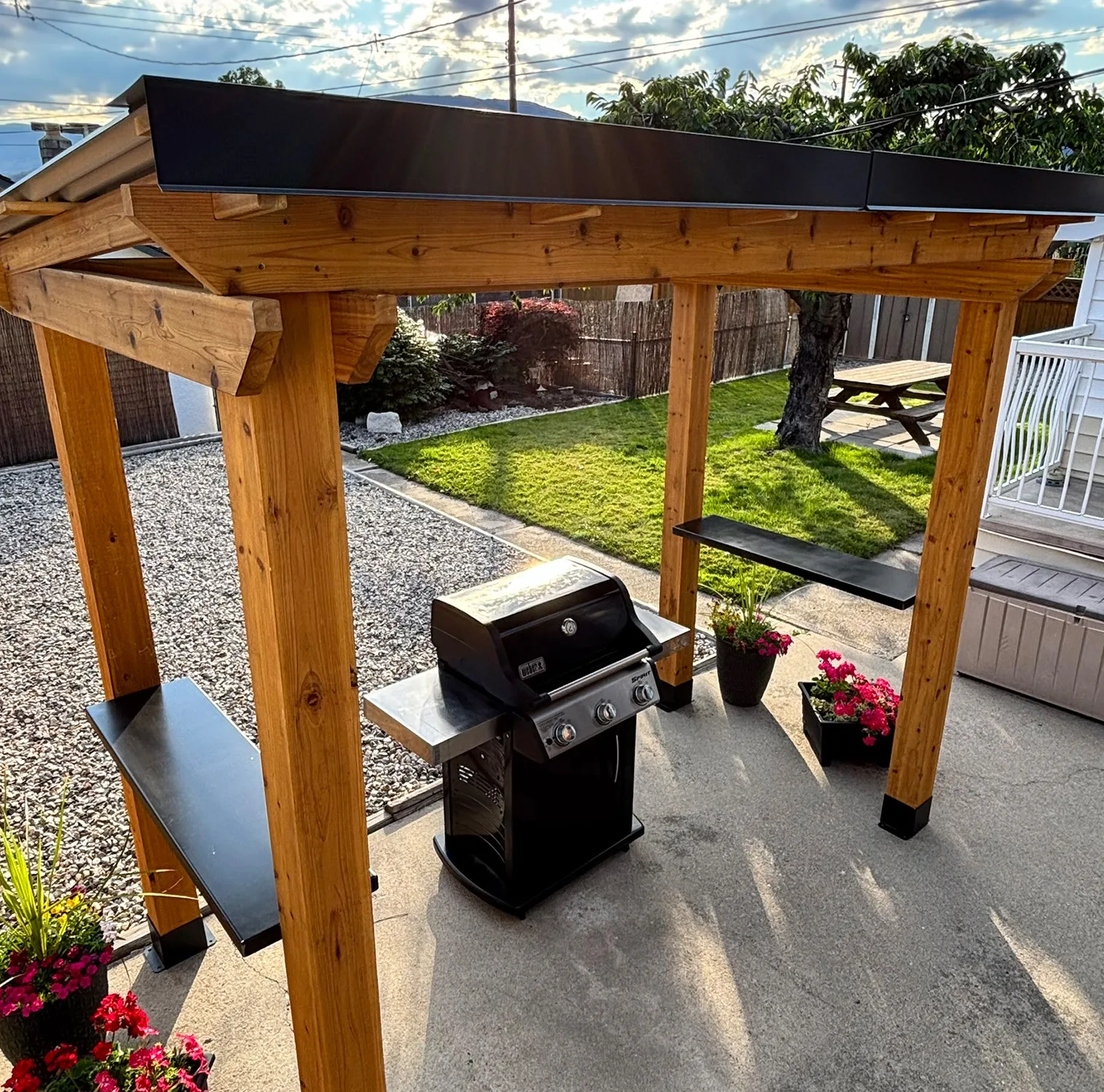
Outdoor grill under wooden gazebo

1. Clear and Store All Patio Furniture

Before winter moisture, wind, and debris settle in, remove everything from your patio — chairs, tables, décor, backyard tools, and umbrellas.

Give all items a quick wash with the hose and let them dry in the sun. Then store them in your shed, garage, or under a durable furniture cover.

Tip: Covering items while they’re completely dry prevents mold growth and extends the life of your outdoor pieces.

2. Deep Clean the BBQ Grill

A winter-ready patio starts with a clean grill. Empty ash from charcoal grills and scrub grates with a degreaser. For gas grills, shut off the tank, disconnect safely, and store it in a cool, dry location.

Tip: A deep-cleaned grill in fall means a faster, smoother start to spring grilling — without lingering burnt-on grease.

3. Tidy Up Patio Surfaces

Sweep off leaves, needles, and debris to prevent staining and moisture buildup. Use a pressure nozzle or patio cleaner to remove dirt from concrete, stone, or brick.

Tip: A clean, dry patio surface is less likely to crack or discolor during freeze–thaw cycles.

4. Add Winter-Friendly Seating and Lighting

If you enjoy spending time outdoors during the colder months, add weather-resistant furniture or cover two chairs with waterproof coverings. Since days get darker earlier, incorporate outdoor-safe string lights or landscape lights for extra warmth and visibility.

Tip: Soft, warm lighting instantly transforms your patio into a cozy winter nook — perfect for morning coffee or cool evening fresh air.

5. Install Ceiling-to-Floor Shades (Optional Comfort Upgrade)

Wind chill often discourages winter patio use. Installing bamboo, wood, or weather-resistant shades helps block cold winds while offering additional privacy.

Tip: Choose shades you can reuse in spring and summer for year-round versatility and sun control.

6. Add Protective Covers and All-Weather Items

Finish your winter prep by covering remaining items, removing fabrics, and ensuring anything left outdoors is rated for winter conditions. This reduces spring cleanup and keeps your space protected.

Tip: A small investment in proper covers saves money long-term by preventing damage from moisture, snow, and UV exposure.


Read More

A simple DIY guide to creating a cozy, functional fire pit for year-round outdoor gatherings.

As temperatures cool and evenings get shorter, outdoor gatherings don’t have to come to an end. A backyard fire pit creates a warm, inviting place to relax, entertain, and enjoy your outdoor space well into fall and beyond.

The good news? You don’t need to hire a contractor or invest in expensive equipment. With a few basic tools, readily available materials, and a weekend of work, you can build a durable, functional fire pit yourself. This step-by-step guide walks you through the process, making it approachable even for first-time DIYers.

What You’ll Need Before You Start

Before breaking ground, gather the following supplies:

  1. Shovel, mattock, or digging tool
  2. Gravel (for drainage)
  3. Spray paint (to mark your layout)
  4. Rubber mallet
  5. Masonry adhesive
  6. Concrete landscaping stones
  7. Optional: metal fire pit ring

Step 1: Outline Your Fire Pit Location

Choose a flat, open area in your yard where the fire pit will be both functional and safe. Place your first ring of stones—or the metal fire ring—directly on the grass to create a circular outline.

Once positioned, remove a few stones and use spray paint to mark the outer edge of the circle. This painted guide ensures accuracy once you begin digging.

Tip: Make sure the fire pit is visible from seating areas but far enough away to allow comfortable circulation.

Step 2: Dig the Fire Pit Base

Using your digging tools, excavate the outlined circle to a depth of approximately 6 inches. Remove grass, roots, and rocks to create a clean, even base.

Soil conditions vary, so expect the digging effort to range from easy to moderately challenging depending on your location.

Tip: Take your time leveling the base—this will make stacking stones much easier and improve long-term stability.

Step 3: Add Gravel for Drainage

Fill the hole with gravel until it is level with the surrounding ground. The gravel layer allows water to drain efficiently, preventing pooling and extending the life of your fire pit.

Pack the gravel firmly using the back of your shovel or a tamper.

Tip: Proper drainage is key to preventing frost damage and shifting stones over time.

Step 4: Build the Stone Fire Pit Wall

Place the first ring of stones along the edge of the gravel base. Use a rubber mallet to gently tap each stone into place, ensuring they sit level and snug.

If using a metal fire ring, position it in the center and build the stones tightly around it. For additional rows, apply masonry adhesive to the bottom of each stone and stagger the seams so each stone sits over the joint below.

Repeat this process until your fire pit reaches the desired height.

Tip: Staggered joints increase strength and give the fire pit a clean, professional look.


How to Safely Build Your First Fire

Start with a small base of newspaper, dry leaves, and kindling. Light the starter materials, then gradually add small logs before placing larger pieces of firewood.

After several uses, remove excess ash to maintain airflow and prevent buildup.

Tip: Always burn dry, untreated wood to reduce smoke and maintain safe combustion.

Fire Pit Safety Tips

Before using your fire pit, check local fire regulations to confirm permitted use. General safety guidelines include:

  1. Place the fire pit at least 10 feet from structures, fences, and trees
  2. Keep branches well clear of the fire area
  3. Never leave a fire unattended
  4. Have water or a fire extinguisher nearby

Enjoy Your Backyard, Longer

Building your own fire pit is a rewarding DIY project that adds comfort, function, and ambiance to your backyard. With minimal materials and a straightforward process, you can create a gathering space that brings friends and family together throughout the year.

Once complete, pair your fire pit with outdoor seating, soft lighting, or a pergola to make your backyard feel like a true extension of your home.

Read More

Creative, low-cost ways to transform your outdoor space without overspending.

Entertaining outdoors doesn’t have to come with a big price tag. With a little creativity and a few smart upgrades, your backyard can become a welcoming space for gatherings, celebrations, and everyday moments with friends and family.

From simple lighting solutions to DIY décor ideas, there are plenty of budget-friendly ways to elevate your outdoor space without committing to major renovations. Below are practical, affordable backyard entertaining ideas that focus on creativity, function, and atmosphere — all while keeping costs in check.


1. Use Solar Lighting for Instant Ambience

Outdoor lighting is one of the easiest ways to transform your backyard for entertaining. Solar lights are inexpensive, energy-efficient, and easy to install — no wiring required.

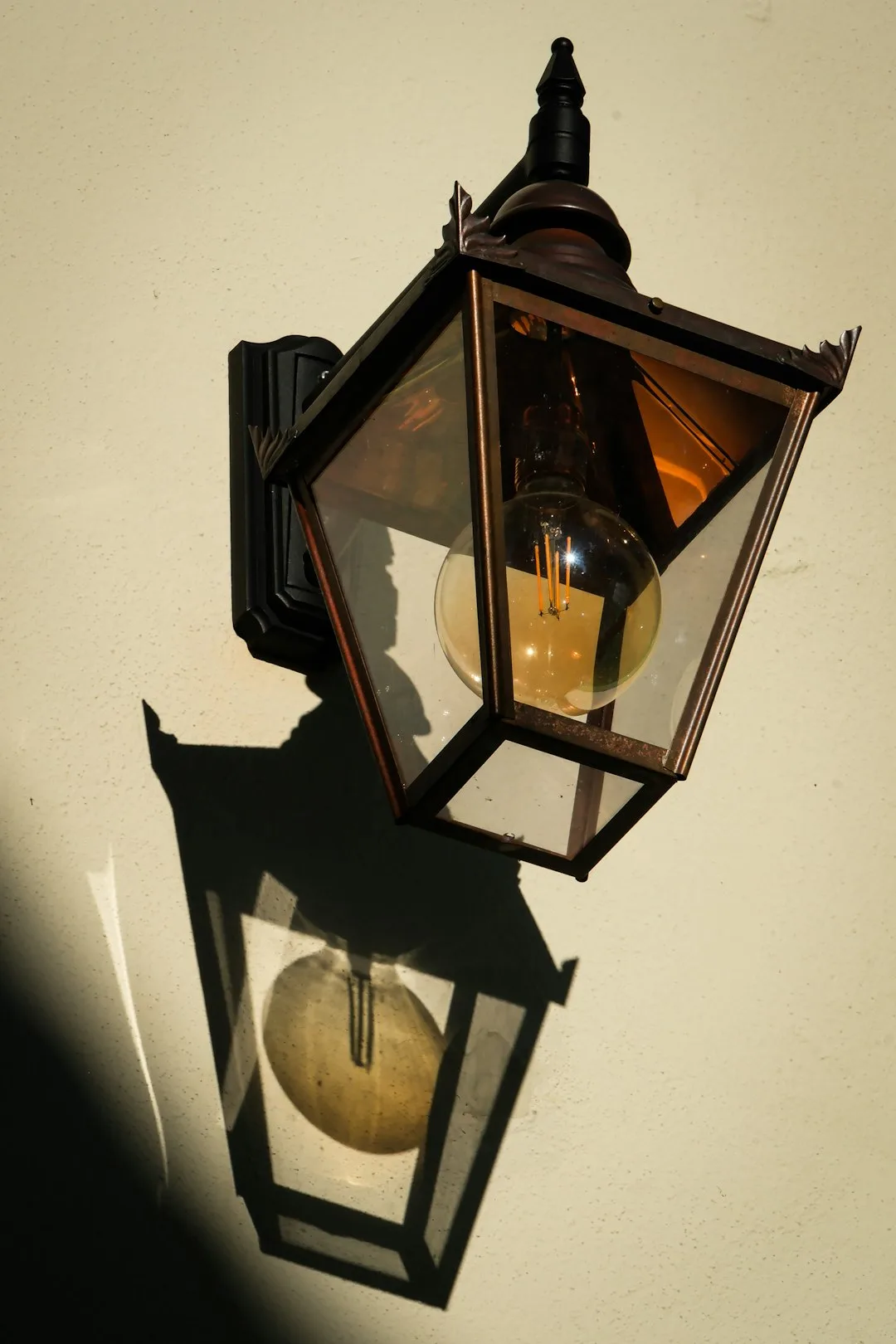
Try repurposing old chandeliers, lanterns, or string lights by swapping traditional bulbs for solar ones. Hang them from tree branches, pergolas, or fence posts to create a warm, inviting glow once the sun goes down.

An old-fashioned lantern casts a shadow on wall.

2. Add Glow Games for Evening Fun

If you love outdoor games, don’t limit them to daylight hours. Glow bracelets, necklaces, and LED accessories can turn classic lawn games into nighttime entertainment.

Ring toss, bocce, or casual backyard games become even more memorable when played after dark — especially for families with kids.

LED strings

3. Decorate Fences with Hanging Vases or Bottles

Plain fences can feel like wasted space. Hanging small vases, jars, or repurposed glass bottles filled with flowers or greenery adds charm and personality instantly.

Attach them with twine, wire, or simple hooks to soften the space and create visual interest without major effort.

purple flowers in clear glass vase

4. Refresh Old Seating with Spray Paint

Metal folding chairs are practical but often overlooked. A fresh coat of spray paint in bright or neutral tones can completely transform them into stylish seating for guests.

This is a quick DIY project that makes a big impact — and guests will never guess the chairs were once garage leftovers.

variety of paint spray bottles

5. Consider a Splash Pad Instead of a Pool

Want a fun water feature without the cost and maintenance of a pool? A splash pad is a budget-friendly alternative that offers hours of entertainment for kids and adults alike.

Splash pads are safer, easier to install, and significantly more affordable than traditional pools, making them ideal for summer gatherings.

a view of a body of water with trees in the background

6. Make DIY Mosquito-Repellent Tiki Torches

Outdoor entertaining is better without bugs. DIY tiki torches made from recycled wine bottles, citronella oil, and thick wicks provide both lighting and mosquito protection.

They’re inexpensive, easy to make, and add a warm, festive glow to evening events.

lighted candles on street during night time

7. Use Glow-in-the-Dark Accents for Subtle Lighting

Glow-in-the-dark paint can be used creatively on planters, stones, or garden edges to add soft lighting without electricity.

These subtle accents improve visibility while enhancing the atmosphere, especially for evening gatherings.

a red and pink smoke swirl on a black background

8. Create the Illusion of Space with Mirrors

If your backyard feels small, mirrors can help. Hanging mirrors along fences reflects light and greenery, making the space feel larger and more open.

Old window frames can be repurposed to give mirrors a decorative, intentional appearance.

round mirror with brown wooden frame

Entertaining outdoors doesn’t require expensive renovations or large investments. With thoughtful, budget-friendly ideas and a bit of creativity, you can transform your backyard into a space that feels welcoming, fun, and uniquely yours.

By focusing on lighting, seating, simple décor, and DIY upgrades, you can host memorable gatherings without overspending — proving that great outdoor spaces are built with intention, not just budget.

Read More

A practical guide to improving shed security with smart, long-lasting solutions.

Garden sheds often store far more value than we realize — power tools, bikes, lawn equipment, seasonal décor, and electrical gear can add up quickly. Yet sheds are frequently overlooked when it comes to home security.

Whether your shed is attached to your home or placed at the back of your yard, securing it properly helps protect your investment, your tools, and your peace of mind. In this guide, we’ll break down the most effective ways to make your shed safer using a layered, practical approach.

In this guide we will explain: 

✓ common shed security weak points
✓ structural upgrades that deter break-ins
✓ hardware and lock improvements
✓ lighting and visibility tips
✓ affordable upgrades with long-term impact


Why Garden Sheds Are Common Targets

Sheds are often targeted because they’re quieter, less visible, and easier to access than a home. Many are secured with aging hardware, thin panels, or minimal lighting — making them attractive to opportunistic theft.

Improving shed security isn’t about making it impenetrable. It’s about making it difficult, visible, and time-consuming for intruders — which is usually enough to make them move on.


Key Steps

1. Strengthen the Shed Structure

The first step in shed security is addressing physical weaknesses.

Loose boards, rotting panels, or damaged roofing reduce a shed’s ability to resist forced entry. Inspect your shed for gaps, soft wood, or broken slats and reinforce these areas with new panels or structural fasteners.

Focus on:

  1. Replacing rotted boards or weakened panels
  2. Repairing roof gaps or holes
  3. Securing loose slats and framing

A solid structure creates the foundation for every other security upgrade.

2. Upgrade Doors and Windows

Doors and windows are the most common entry points.

Replace any deteriorated doors or window frames and patch visible holes. Make sure doors close tightly and cannot be pried open easily.

Additional deterrents:

  1. Trim back overgrown shrubs to remove hiding spots
  2. Keep fences and gates around the shed closed
  3. Avoid placing ladders or tools nearby that could aid access

Visibility and accessibility play a major role in preventing break-ins.

3. Replace Old Locks with Strong Hardware

Many sheds rely on outdated or lightweight locks that offer minimal protection.

Upgrade to a heavy-duty hasp and staple system, secured with carriage bolts or coach bolts that cannot be removed from the outside. Pair this with a weather-resistant, rust-proof padlock rated for outdoor use.

For added convenience and security, you may also consider:

  1. Combination padlocks
  2. Keyless or electronic shed locks

The harder a lock is to defeat, the less likely someone will attempt entry.

4. Secure Hinges and Hardware

Exposed hinges can be an overlooked vulnerability.

If hinge pins are accessible from the outside, intruders can remove the door without touching the lock. Replace exposed hinges with models that feature non-removable pins and secure them using smooth-head carriage screws.

This simple upgrade significantly increases resistance to forced entry.

5. Protect Window Units and Openings

If your shed includes a window or window-mounted AC unit, these openings should be reinforced.

Install exterior support brackets for AC units and add window security bars or locking bars to prevent the window from being lifted or removed. These are affordable upgrades that dramatically improve security.

6. Improve Lighting and Visibility

Poor lighting makes sheds easier targets.

Installing motion-activated outdoor lighting near the shed instantly increases visibility and discourages nighttime activity. Lighting also improves overall yard security by drawing attention to movement.

Well-lit areas feel less private — and that’s exactly what you want.


A Smarter Approach to Shed Security

Securing your shed doesn’t require expensive systems or complicated installations. By combining structural repairs, strong hardware, visibility, and smart layout choices, you can significantly reduce the risk of theft.

The goal is simple:
Make your shed harder to access, easier to see, and not worth the effort.

A well-secured shed protects not just your tools — but your time, money, and peace of mind.

Read More

Creative food, tableware, and décor ideas to host a relaxed outdoor gathering.

Looking for garden party ideas that feel thoughtful but not over-the-top? When the days are warm and the evenings stretch longer, outdoor gatherings become the easiest way to bring people together. Whether your style leans elegant, casual, or slightly whimsical, a great garden party doesn’t require a big budget or weeks of planning.

With a few smart choices and DIY touches, you can create an inviting atmosphere that feels intentional, welcoming, and fun — without spending the whole day setting up.

IMG 0580 1 scaled

Food & Drink Ideas That Keep Things Simple

Create a Self-Serve Beverage Station

Skip running back and forth from the kitchen and let guests help themselves. A simple drink station with dispensers, ice buckets, and clearly labeled options keeps things relaxed for everyone.

Host Tip: If alcohol is served, assign a friend to keep an eye on refills or clearly label non-alcoholic options.

Watermelon Drink Dispenser

A watermelon keg is always a crowd-pleaser. Hollow out a watermelon, add a refreshing drink, and insert a spigot for a playful, summer-ready beverage station.

Why it works:
It’s visual, seasonal, and doubles as décor.

Big-Batch Crowd Favorites

Stick to dishes that are easy to make ahead and appeal to most guests.

  • Potato Salad: A classic that feeds a crowd and frees up prep time.

  • Pizza Dip: Warm, shareable, and perfect with bread or crackers.

  • Iced Tea or Lemonade: Refreshing staples that pair well with any menu.


Tableware That Sets the Mood

Gold-Foil Tumblers

An easy DIY that instantly elevates any gathering. Gold-dipped or foil-accented glasses add a polished touch without the price tag.

DIY Mason Jar Vases

Fill simple jars with fresh garden flowers for centerpieces that feel relaxed and organic.

Styling Tip: Tie twine or ribbon around the jars for added texture.

Chalkboard Table Runner

A chalkboard runner lets you label dishes, write welcome messages, or note allergens — practical and playful.

Confetti Tablecloth

Protect your table while adding color. A plain cloth with painted dots creates a festive look without commitment.

DIY Cutlery Pouches

Use kraft bags or fabric scraps to create simple cutlery holders. They’re functional, charming, and easy to customize.


Simple Decorations That Transform the Space

Candle Lanterns

Soft lighting instantly warms up your garden. DIY lanterns made from dyed jars or glass containers add glow without harsh brightness.

Bunting & Fabric Accents

String bunting between trees, fences, or pergola posts to frame the space and add a celebratory feel.

Natural Touches

Let the garden do the heavy lifting. Greenery, potted plants, and flowers naturally soften the space and make everything feel intentional.

Read More

With a few thoughtful changes, your garden can become a welcoming space for birds year-round.

Birds bring life, movement, and natural beauty to any garden. With the right setup, your yard can become a welcoming habitat for a wide variety of bird species—providing them with food, water, shelter, and safe places to nest. The best part? You don’t need anything complicated or expensive. Thoughtful placement and a few intentional choices can turn your outdoor space into a thriving ecosystem.

Below are four effective ways to attract birds while keeping your garden natural, balanced, and enjoyable year-round.


1. Offer a Variety of Feeders (and Place Them Strategically)

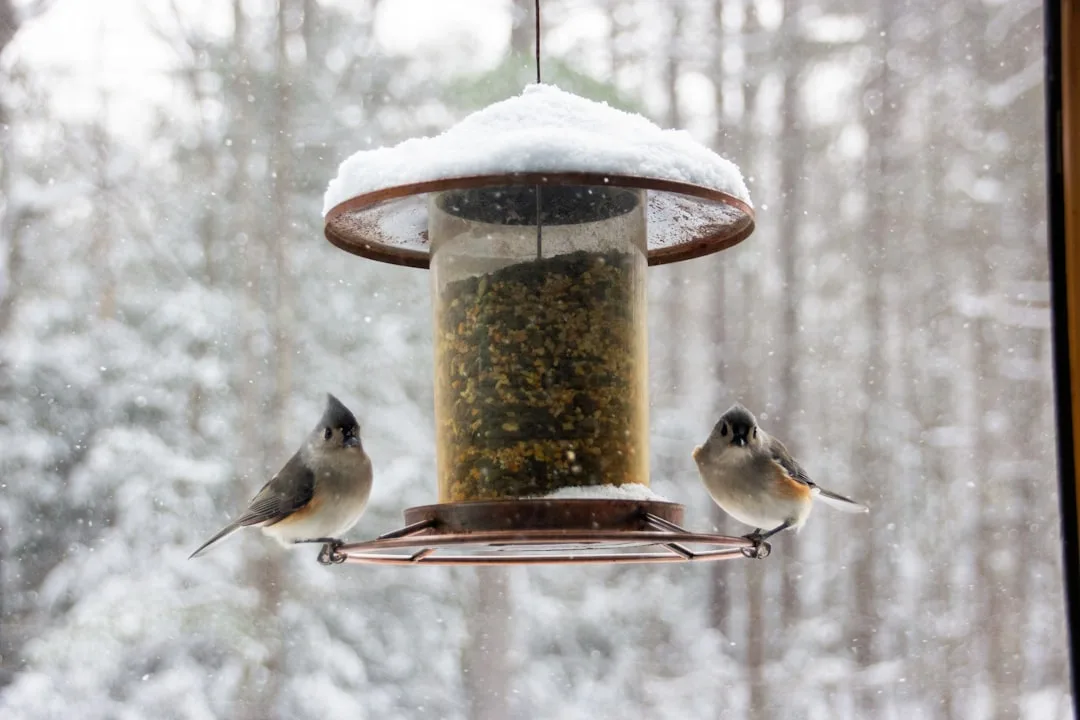
Different birds prefer different feeding styles. Using a mix of feeder types—such as tray feeders, tube feeders, suet cages, and nectar feeders—helps attract a wider range of species.

Placement matters too.
Some birds prefer feeders placed higher, while others feel safer feeding closer to the ground. Spacing feeders out also reduces competition and creates a calmer feeding environment.

Tip: Natural-looking feeders tend to attract more birds than brightly colored plastic options.

gray and white bird on brown wooden table

2. Use High-Quality Bird Seed

Cheap seed mixes often contain filler ingredients that many birds won’t eat, causing them to leave in search of better food elsewhere. Investing in quality bird seed increases activity and keeps birds returning.

Different species have different preferences:

  • Smaller birds often prefer millet or sunflower hearts

  • Larger birds are drawn to cracked corn and mixed seeds

Choosing seed intentionally helps you attract the birds you want to see most.

a bird bath in the middle of a garden

3. Support Natural Food Sources

Birds don’t rely on feeders alone. Native plants, shrubs, and trees that produce berries, seeds, or nectar provide essential natural food sources.

Avoid pesticides whenever possible—birds feed on insects too. Leaving small areas of natural debris, fallen branches, or logs can encourage insect life, which supports birds naturally without affecting the look of your yard.

area covered with green leafed plants

4. Provide Fresh, Clean Water

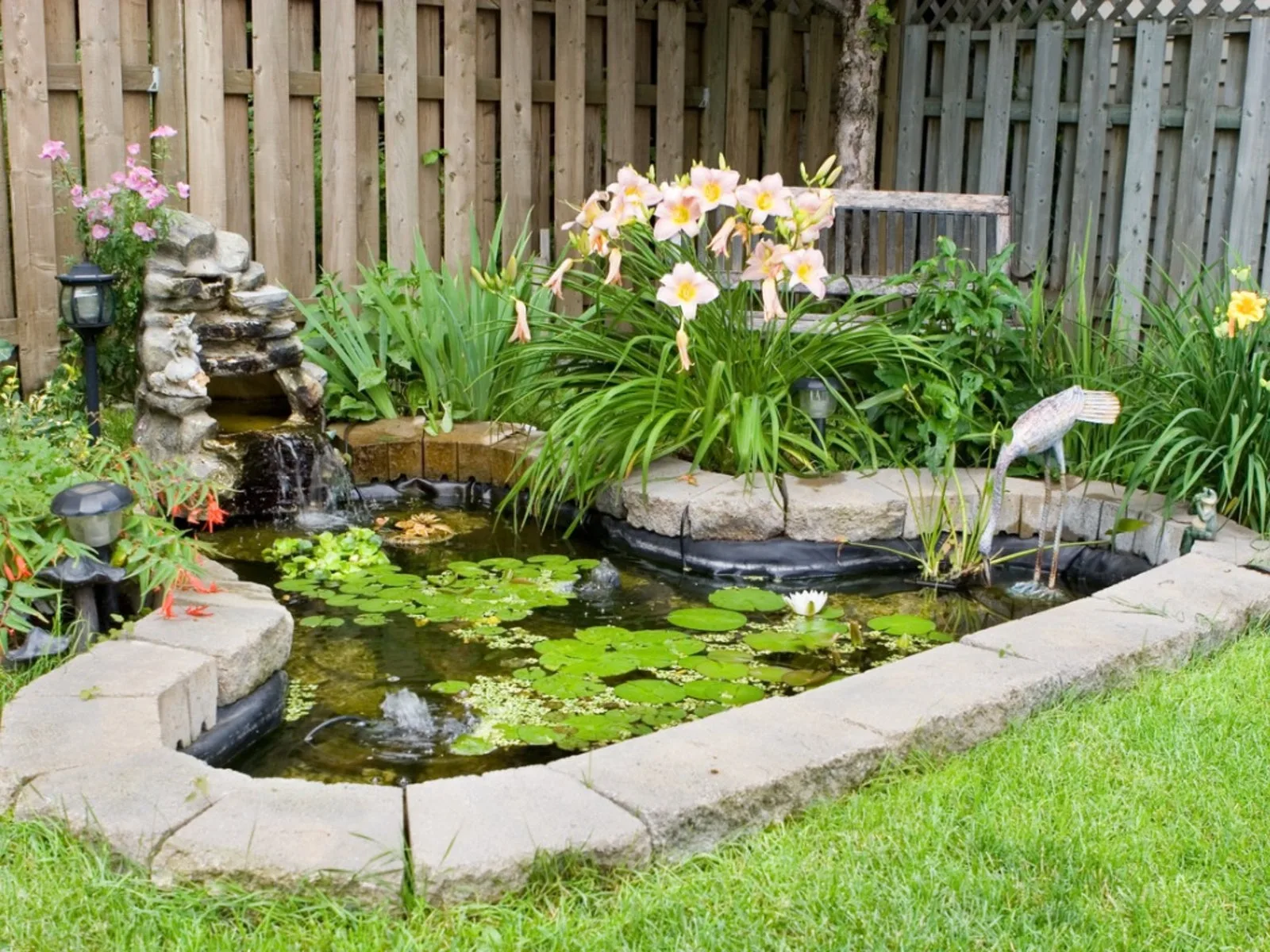
Water is just as important as food. A shallow bird bath or small water feature gives birds a place to drink and bathe.

For best results:

  • Keep water clean and refreshed regularly

  • Choose shallow designs with gentle edges

  • Place baths in visible, open areas where birds can watch for predators

Moving water (like a dripper or fountain) can be especially attractive.

mini garden pond
Read More